Italy has indicated it may not endorse the proposed free trade agreement between the European Union and the Mercosur bloc, which includes Argentina, Brazil, Paraguay, and Uruguay. This development raises significant concerns about the viability of the deal as European leaders convene for a summit in Brussels. The announcement coincides with protests from Italian farmers who are opposed to the terms of the pact.
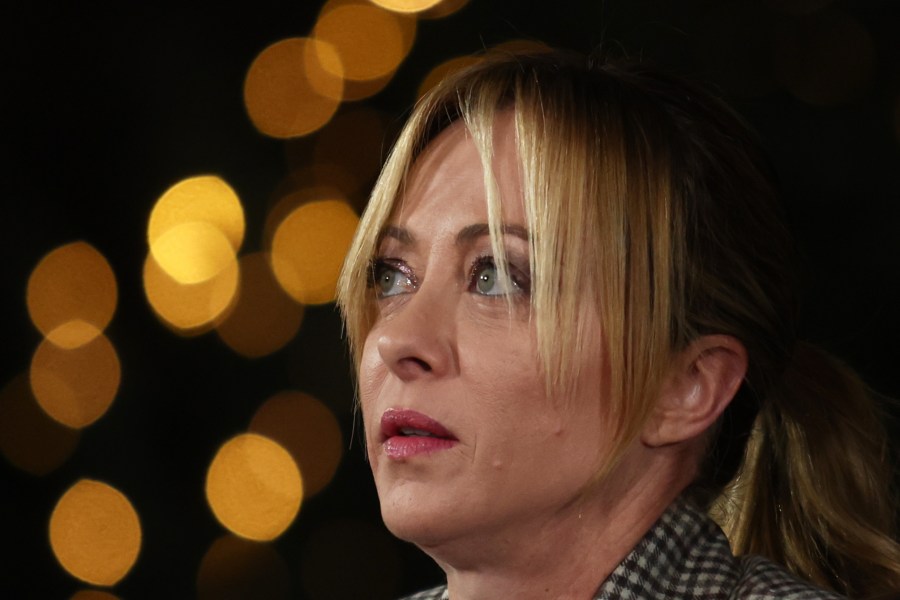
During a press conference on July 5, 2023, Italian Prime Minister Giorgia Meloni expressed that the current conditions of the EU-Mercosur agreement do not align with Italy’s agricultural interests. She stated that Italy’s support hinges on revisions that would better protect local farmers from potential competition posed by imports from South America.
The EU-Mercosur trade deal, initially signed in 2019, aims to enhance trade between the regions by eliminating tariffs and opening markets. However, concerns have emerged regarding the environmental impact of increased agricultural production in South America, particularly regarding deforestation and carbon emissions.
Protests by Italian farmers—who gathered in Brussels during the summit—underscore the growing unease surrounding the agreement. Farmers argue that the deal could lead to a flood of cheaper imports, jeopardizing their livelihoods and undermining local agricultural standards.
As negotiations progress, Italy’s position could influence other member states within the EU. The deal requires unanimous approval from all 27 EU member countries, making Italy’s potential dissent particularly impactful. Meloni’s government has voiced the necessity for a more balanced agreement that prioritizes domestic agriculture while still fostering international trade.
The Italian Prime Minister’s comments reflect a broader trend within the EU, where leaders are increasingly scrutinizing trade agreements through the lens of environmental sustainability and local economic impact. The outcome of this debate may set a precedent for future trade negotiations involving the EU.
The EU is under pressure to address both the economic benefits of such agreements and the environmental concerns raised by various stakeholders. As discussions continue, the fate of the EU-Mercosur deal hangs in the balance, with Italy at the forefront of this pivotal moment in transatlantic trade relations.