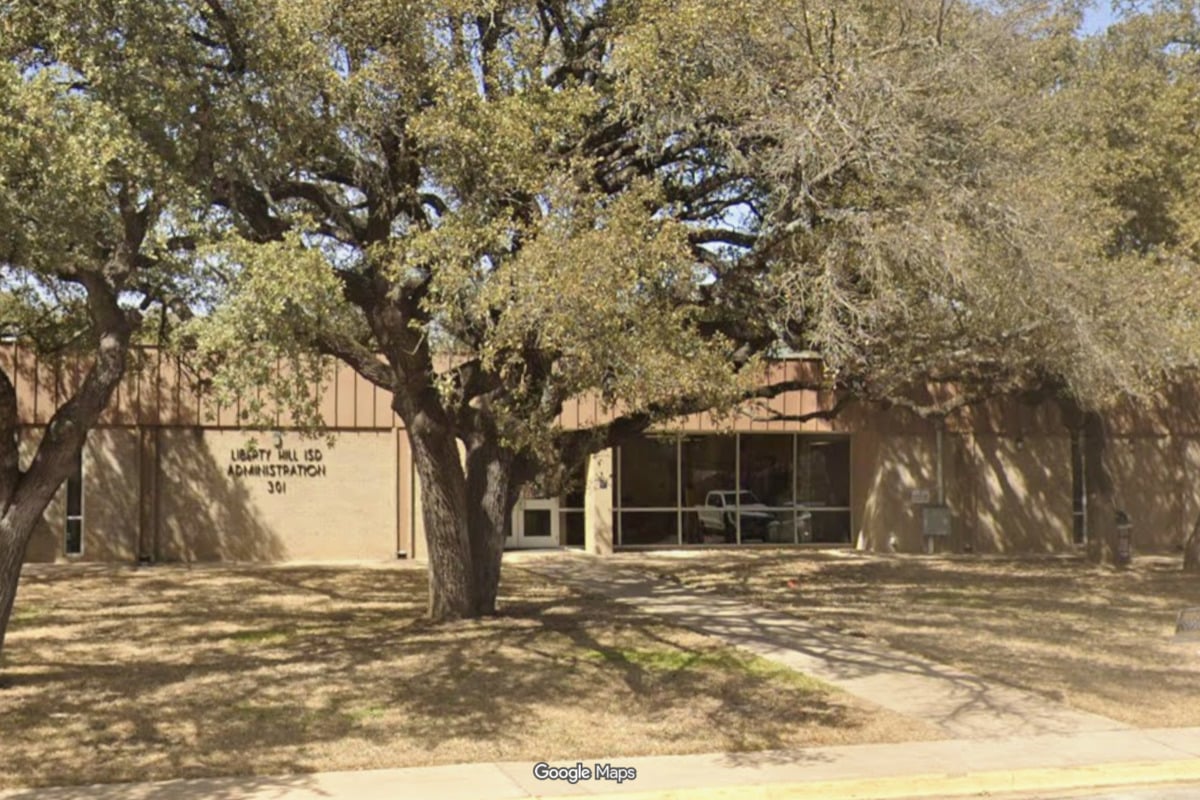
The Liberty Hill Independent School District (ISD) is grappling with a significant surge in student enrollment while facing a declining budget. This combination is straining classroom capacity and forcing difficult decisions. Over the past two years, the district has eliminated dozens of positions, increased class sizes, and reduced programs as it seeks to manage a dwindling fund balance. Parents and educators have expressed concern, noting the impact of overcrowded classrooms and diminished planning time on both teaching and learning experiences.
In response to these challenges, voters in November approved a tax-rate increase expected to generate approximately $10.7 million annually. School officials indicated that this funding would restore programs, enhance staff salaries, and maintain essential safety positions on campuses. This decision follows about $8 million in budget cuts over the previous two fiscal years, resulting in a loss of around 78 jobs. District leaders attribute these cuts to lagging state funding coupled with rapid increases in student enrollment.
According to Community Impact, the district has already begun utilizing some of the new revenue for one-time stipends and a 1% salary increase for staff. Looking ahead, projections indicate that student enrollment has surpassed 10,000 and is expected to reach approximately 13,400 by 2026, with more than 21,000 students anticipated within the next decade. These figures are compelling the district to consider new campuses and make boundary adjustments. Relevant planning documents are available for public review at Liberty Hill ISD.
Immediate Actions to Address Enrollment Growth
To manage the current situation and minimize disruption, district administrators are implementing a combination of short-term and long-term strategies. These measures include temporary classrooms, adjustments to attendance boundaries, and expedited construction timelines. Reporting by KXAN highlights that a rezoning committee, along with parent advisory groups, is actively working to address neighborhood splits and school capacity as new facilities become operational. School leaders stress that the decisions made now regarding zoning and staffing will influence where families choose to enroll their children for years to come.
One recent initiative involved relocating portable classrooms to Santa Rita Middle School, which had exceeded its capacity. Additionally, the district has initiated an attendance-boundary advisory process to gather parental feedback during the winter months. In the coming years, the district plans to open Lariat Trails Elementary, Legacy Ranch Middle, and the official Legacy Ranch High School campus to alleviate pressure on existing schools. According to Community Impact, district trustees view these portables as temporary solutions while addressing the longer-term needs through rezoning and new construction.
Funding Challenges and Future Planning
The funding situation in Texas contributes to the district’s financial stress. State support for daily operations has not kept pace with inflation and increasing enrollment, forcing rapidly growing districts like Liberty Hill to shoulder greater financial burdens locally. Data from the Texas Tribune reveals that Liberty Hill’s revenue per student falls short compared to some neighboring districts, which played a role in prompting the tax-rate election. Officials and advocacy groups argue that constructing new buildings alone will not resolve staffing shortages and inadequate support without additional ongoing operating funds.
Budget estimates indicate that the new tax revenue will be allocated approximately as follows: around $7.2 million for student programs, $2.2 million for staff compensation, and $1.3 million for safety initiatives. This distribution was communicated during the election campaign and in public briefings, as noted by KUT. Despite this influx of funds, administrators caution that hiring and program restorations will need to be phased in carefully to ensure that ongoing operating costs align with the new revenue stream.
Looking ahead, trustees and district staff are organizing community meetings and plan to vote on final attendance boundaries and budget phases in upcoming board sessions. The district’s public meeting calendar outlines these town halls and board actions, where parents can expect formal decisions and detailed updates in the months to come. For specific meeting dates and agendas, residents can refer to the district’s public board portal on BoardBook.