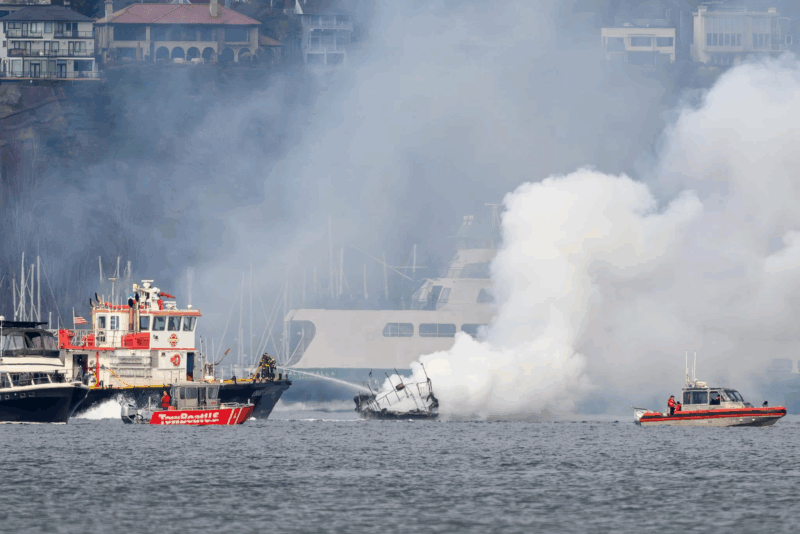
The maritime industry is grappling with critical challenges in shipboard firefighting standards, as the complexity of modern vessels strains crew training capacity. Recent incidents, such as the fire on a container ship carrying electric vehicles in the North Atlantic last year, have highlighted significant gaps in current firefighting protocols. The fire resulted in the death of one crew member and necessitated the abandonment of the vessel, raising urgent questions about the adequacy of traditional training methods.
As ships increasingly carry lithium-ion batteries, alternative fuels, and automated systems, the nature of fire risks has evolved dramatically. Lithium battery fires can burn hotter than conventional cargo fires, reigniting days after suppression and releasing toxic gases like hydrogen. These hazards demand specialized suppression techniques, including controlled flooding, which crews may not have practiced effectively.
The Evolving Landscape of Fire Risks
Historically, shipboard firefighting training has focused on scenarios such as engine room and galley fires. Crews typically train on ABC fire extinguishers and standard CO2 systems. However, the emergence of electric vehicles and energy storage systems introduces unique challenges. These batteries can enter thermal runaway, a reaction that rapidly releases heat and creates flammable gases, igniting surrounding materials.
The introduction of alternative fuels such as LNG, methanol, ammonia, and hydrogen further complicates fire safety. Each of these fuels presents distinct fire and explosion risks that require specialized detection and suppression measures. Additionally, the trend toward unmanned engine rooms and reduced crew sizes means fewer personnel are available for firefighting, increasing reliance on fixed systems that may not be equipped to handle new fire types.
Addressing the Training Gap
The international maritime training standards, known as STCW, mandate basic and advanced firefighting courses. Critics argue that these standards have not evolved to reflect the operational realities of modern vessels. While some progressive training centers are beginning to incorporate electric vehicle fire simulators and alternative fuel scenarios, these initiatives are not yet widespread.
Shore-based fire departments, which often respond to maritime incidents at port, frequently lack the specialized training necessary for effective response. They may not fully understand vessel systems or the challenges of combating fires in confined spaces with limited access. Captain Mark McDonnell of the United States Coast Guard emphasized the significant threat shipboard fires pose to lives and supply chains, underscoring the need for improved readiness among first responders.
Regulatory bodies are starting to take action. The International Maritime Organization has issued interim guidelines for firefighting on ships carrying electric vehicles, while classification societies are enhancing fire safety standards for vessels using alternative fuel systems. Port authorities are also updating their emergency response protocols. Despite these efforts, implementation remains inconsistent across fleets and regions.
At the upcoming National Harbor Safety Conference, scheduled for March 24-25, 2026, in Seattle, industry experts will address these pressing issues. This biennial event, hosted by the Puget Sound Harbor Safety Committee, will bring together Coast Guard officials, maritime training experts, port operators, and emergency response agencies to discuss evolving threats to maritime safety.
The Call for Proactive Measures
Experts in maritime safety stress that effective firefighting requires more than simply updating equipment. It necessitates a holistic approach that includes realistic training, regular drills with shore-based responders, and vessel designs that account for new fire risks. The alternative of waiting for catastrophic incidents to drive regulatory change has proven costly.
Curtis Cannizzaro, Executive Director of the Maritime Fire & Safety Association, stated, “We can either invest in training and equipment now, or repeat hard lessons learned at too great a cost later.” The industry has a historical commitment to prioritizing safety, and this must extend to addressing the challenges posed by new technologies.
As the maritime industry continues its transition toward decarbonization and advanced technologies, ensuring robust safety protocols and training will be paramount in safeguarding lives and maintaining operational integrity. The National Harbor Safety Conference is currently accepting registrations and sponsorships, with more information available at marexps.com/national-hsc-2026.