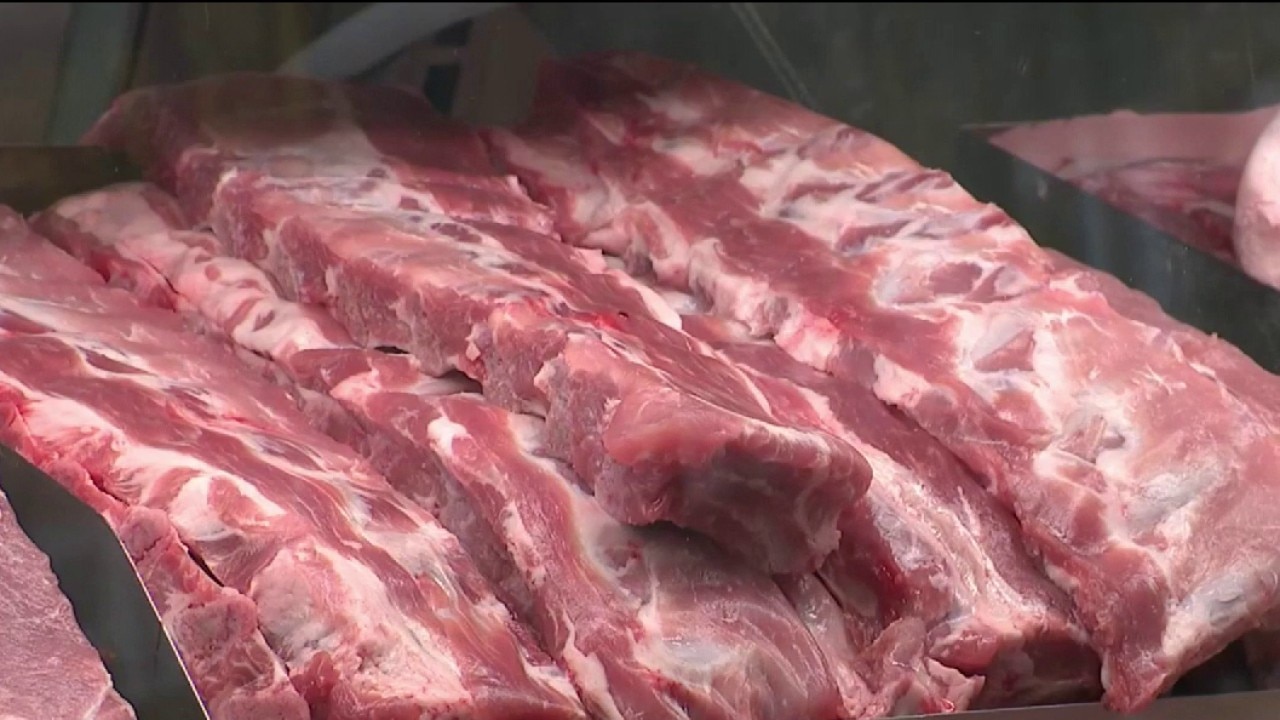
A group of beef processors is facing a significant class action lawsuit alleging antitrust violations that could lead to an estimated settlement of $87 million. The lawsuit claims that several major companies agreed to limit competition for market share, ultimately resulting in inflated prices for consumers across the United States.
The class action, filed in a federal court, accuses these processors of engaging in anti-competitive practices that have affected both consumers and retailers. According to the plaintiffs, this alleged collusion has artificially raised prices in an industry already known for its volatility. This legal action highlights the ongoing scrutiny of the meat processing sector, which has been under increasing pressure to demonstrate fair pricing practices.
Details of the Allegations
The plaintiffs assert that the processors coordinated their pricing strategies, effectively removing competition from the market. This behavior, they argue, violates the Sherman Antitrust Act, a key piece of legislation aimed at promoting competitive markets and preventing monopolistic practices. The lawsuit suggests that these agreements have not only harmed consumers but have also stifled smaller competitors who struggle to operate in an environment dominated by a few large players.
In their filing, the plaintiffs seek compensation for damages incurred due to these alleged practices, which they estimate to be substantial. “The actions of these beef processors have led to higher grocery bills for families across the nation,” stated the lead attorney for the plaintiffs. The lawsuit aims to hold these companies accountable and restore fair competition in the market.
Potential Impact on Consumers
If the lawsuit proceeds as planned, it could lead to significant changes in the meat processing industry. A successful settlement could provide financial relief to affected consumers while setting a precedent for similar cases in the future. The case also raises important questions about the integrity of pricing practices in the food industry, particularly as consumers become more aware of market dynamics.
Consumer advocacy groups have welcomed the lawsuit, emphasizing the need for transparency in pricing and competition. They argue that fair market practices are essential not only for consumer protection but also for fostering a healthy economy. As this case unfolds, it may prompt further investigations into the practices of other food producers and processors across various sectors.
The outcome of this class action lawsuit remains to be seen, but it serves as a reminder of the importance of competition in maintaining fair prices. As consumers await the court’s decision, the case has already begun to spark conversations about the ethical responsibilities of large corporations in the food supply chain.
With the potential for substantial financial implications, both for the companies involved and consumers, the developments in this case will be closely monitored by industry experts and consumers alike.