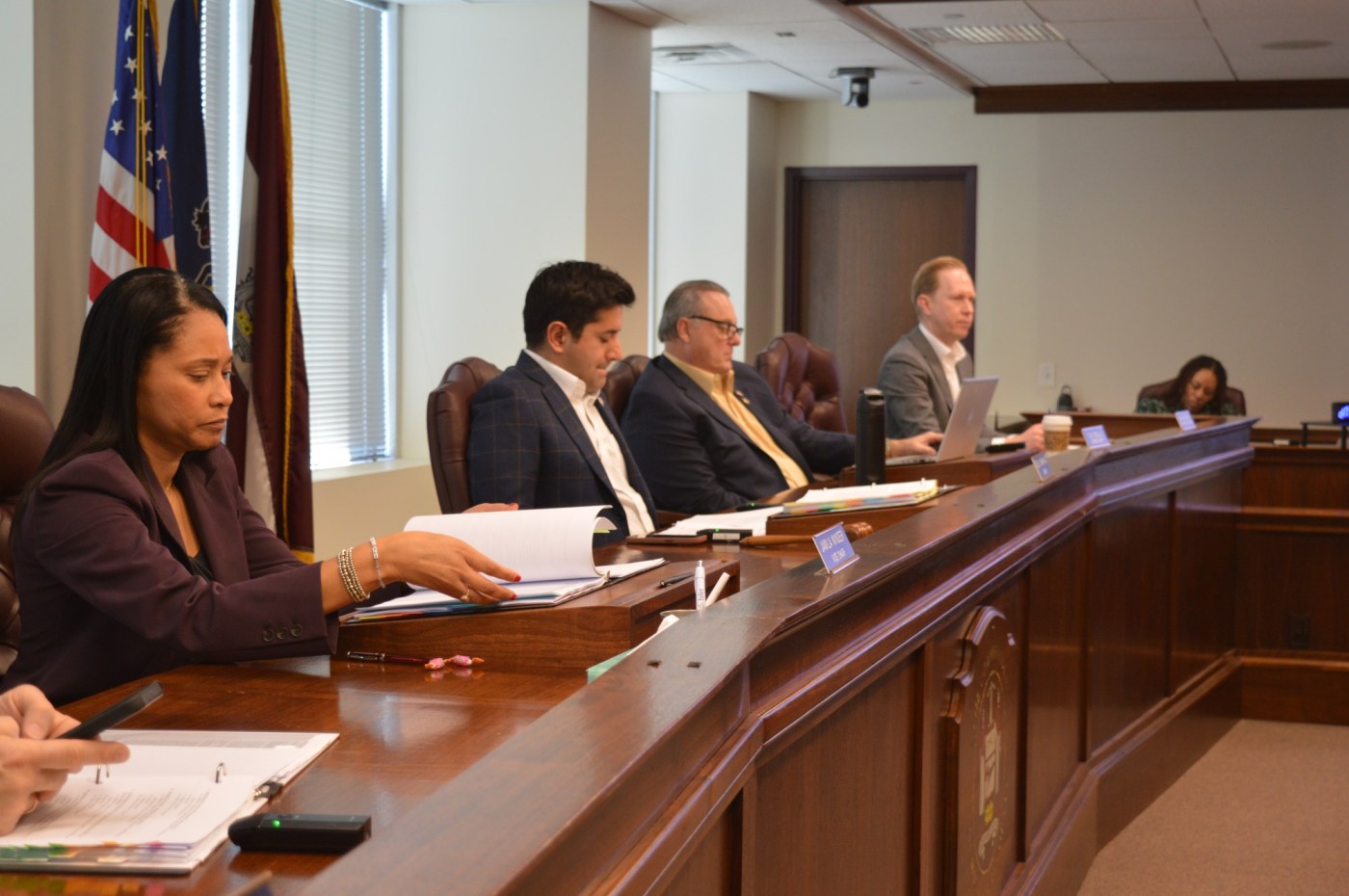
Montgomery County Commissioners have unanimously approved a $632.7 million operating budget for the 2026 fiscal year, which includes a 4 percent tax increase. This decision, made during a board meeting on March 30, 2024, marks the first unanimous budget vote in almost a decade. Chairman Neil Makhija emphasized the collaborative effort that led to this outcome, highlighting significant savings achieved while ensuring vital services for residents.
Makhija stated, “Together on this we committed to collaboration … because we both found significant savings across the board, and we still invested in all the things that matter to our residents.” His remarks underscored the importance of local governance, especially amid challenges such as the recent federal government shutdown and the prolonged stalemate in the Pennsylvania General Assembly.
The budget reflects a commitment to address the needs of the county’s most vulnerable populations, with ongoing initiatives focused on behavioral health and housing support. Makhija noted that the budget process required dedication from all parties involved, leading to planned short-term housing facilities and the establishment of an emergency behavioral health crisis center.
Commissioners also discussed the alignment of the budget with community values. Chairwoman Jamila Winder remarked, “I think this budget aligns with our values and the values that many hold dear in Montgomery County.” She expressed pride in the investments being made to ensure the county remains a desirable place for families.
Budget preparations began in the spring, led by Chief Financial Officer Dean Dortone, who initially identified a $55.9 million deficit. Commissioner Tom DiBello indicated that this deficit would have necessitated a staggering 18 percent tax increase. He affirmed that such a substantial hike was not feasible and would not have received support from the commissioners.
To address the budget shortfall, county officials identified operational savings totaling approximately $5.5 million. This included a reduction in benefit costs, operational expenses, and legal fees, alongside the elimination of about 11 vacant full-time positions. Despite these efforts, a remaining $25.5 million deficit persisted.
Dortone proposed raising the millage rate from 5.252 mills to 5.462 mills, which is expected to generate an additional $12 million in revenue, while also drawing $13.5 million from the county’s fund balance. The proposed tax increase would result in an approximate annual increase of $36 for an average single-family home in Montgomery County.
Winder stressed the importance of balancing fiscal responsibility with the need for community support, stating, “We take our fiduciary responsibility really seriously.” She acknowledged the challenges faced by residents, many of whom are struggling to make ends meet. The county’s budget decisions are made with the goal of avoiding drastic tax increases seen in neighboring counties, such as Delaware County’s recent 19 percent hike.
Public feedback on the proposed budget was mixed during hearings earlier this month. Some residents praised the county’s support for essential programs, while others expressed concerns about the impact of another tax increase. Hatfield resident Sandra Levine voiced her worries about the financial strain on working families, stating, “They’re pinched all the way around.”
Others echoed similar sentiments, with Lower Salford Township resident Michelle Engarto urging leaders to practice fiscal responsibility while supporting necessary community programs. Concerns were also raised by Ambler resident David Morgan, who noted the alarming size of the initial deficit and questioned the county’s communication regarding its financial status.
Addressing these concerns, DiBello acknowledged the difficulty of requesting additional funds from the community while ensuring a stable foundation for the future. He pointed out the importance of judicious spending and continued efforts to identify savings.
Montgomery County commissioners also approved a $255.75 million capital fund for 2026 and allocated $5.3 million for the employee retirement fund. Various programs are available to assist eligible residents facing financial hardships, including the Real Estate Tax Deferral Program and the Pennsylvania Department of Revenue’s Property Tax/Rent Rebate Program.
For more information regarding these programs, residents are encouraged to visit montgomerycountypa.gov/finance.