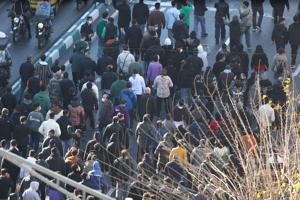
Demonstrations in Iran have intensified, driven by the country’s deteriorating economic conditions, resulting in at least seven reported fatalities. These protests, which are the most significant since 2022, have extended beyond the capital, Tehran, reaching several rural provinces, primarily inhabited by the Lur ethnic group.
The unrest began in September 2023 and has been marked by widespread dissatisfaction with the government’s handling of the economy. As prices continue to soar and the currency depreciates, frustration among the populace has boiled over into public demonstrations. The fatalities have been reported in four cities, indicating the protests’ growing geographic spread and the escalating tensions between demonstrators and law enforcement.
In the wake of these protests, the Iranian government has faced mounting pressure to address the economic crisis. Inflation rates have soared to alarming levels, and many citizens find it increasingly challenging to afford basic necessities. The protests have drawn attention not only within Iran but also from international observers, who are watching closely as the situation unfolds.
Government Response and Public Sentiment
The Iranian authorities have responded to the protests with a mix of caution and force. In some areas, law enforcement has clashed with demonstrators, leading to an increase in injuries and fatalities. Witnesses have reported heavy security presence, particularly in the cities where violence has erupted.
Public sentiment appears to be shifting, with many citizens expressing a desire for significant change. Social media platforms have become a crucial outlet for those participating in the protests, allowing them to share their experiences and frustrations with a wider audience. Videos and images of the demonstrations are circulating rapidly, further fueling the movement.
International Reactions and Future Implications
The international community has reacted with concern to the escalating violence in Iran. Human rights organizations have called for restraint from the government and emphasized the need for dialogue with the protesters. Many analysts suggest that the ongoing unrest could have long-term implications for Iran’s political landscape.
As the protests continue, the government’s ability to respond effectively to the economic crisis will be critical. Analysts warn that failure to address the underlying issues could lead to further instability and unrest. The situation remains fluid, and both local and international observers will be closely monitoring developments in the coming days and weeks.
The public’s demand for change highlights the urgent need for economic reforms and greater accountability from the government. As the protests unfold, it remains to be seen how the Iranian leadership will navigate this challenging period and whether it can quell the growing discontent among its citizens.