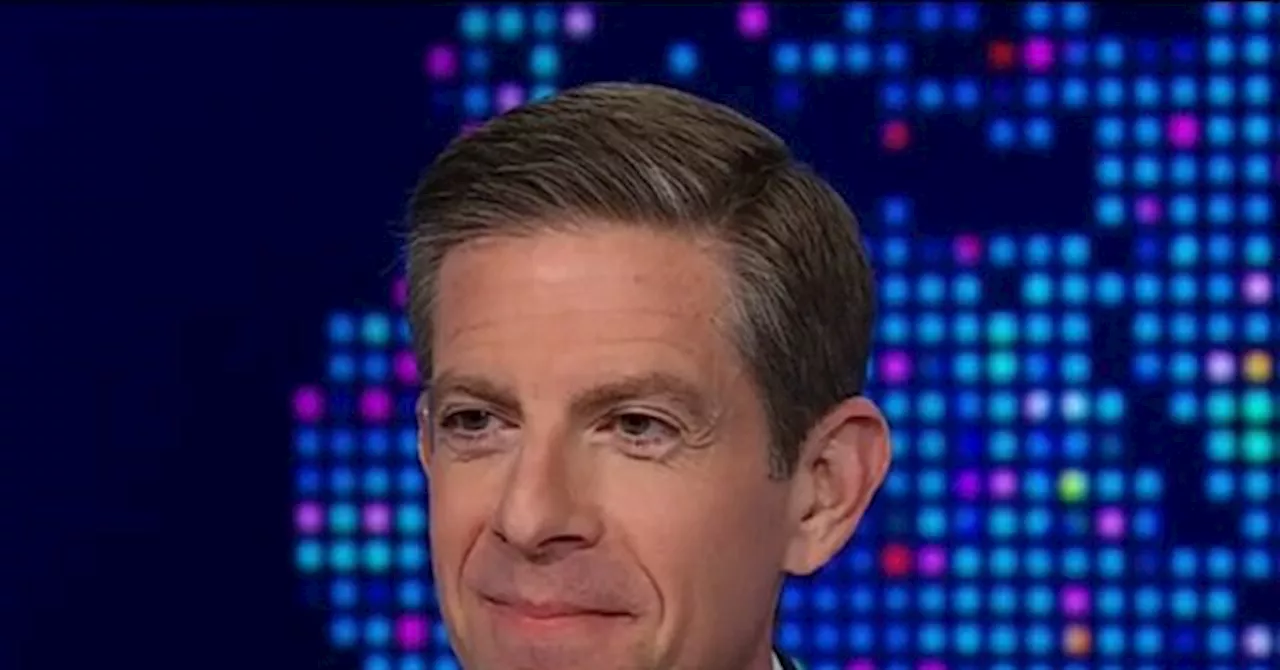
Representative Mike Levin expressed strong concerns about the potential repercussions of a renewed focus on fossil fuels, suggesting that it will exacerbate the volatility of transportation costs. In a recent interview with CNN host Elex Michaelson, Levin argued that while some fuel prices have seen decreases, overall energy costs continue to rise significantly, affecting households across the United States.
During the broadcast of “The Story Is,” Levin pointed out that a growing Gross Domestic Product (GDP) does not translate into financial relief for families grappling with high fuel and grocery prices. He emphasized that many Americans are not experiencing the benefits of economic growth when they confront rising costs at home. “People aren’t feeling it at the kitchen table,” Levin stated, highlighting the disconnect between national economic indicators and individual financial realities.
Levin’s comments come as energy costs have increased by 13% year-over-year, with utility bills following a similar trend. He noted, “When people are at their kitchen table looking at the cost of groceries, the cost of fuel, the cost of housing, they’re not thinking about GDP.” Instead, he believes that the focus on fossil fuels will create more instability in transportation expenses, further straining household budgets.
Michaelson interjected, referencing that while fuel prices have declined in several regions, California still experiences some of the highest gas prices in the country. Levin maintained that the volatility associated with fossil fuels remains a pressing concern. He stated, “I would argue that doubling down on the fossil fuel industry is going to lead to a lot more volatility in people’s transportation costs.”
Levin’s remarks reflect a broader apprehension regarding the implications of energy policies on economic stability. He also touched on the concentration of growth in specific sectors, particularly the AI boom, which raises questions about equitable distribution of economic benefits. “Positive numbers are good,” he commented, while also expressing curiosity about how much of that growth is consolidated within a few industries.
As the conversation continued, Levin’s focus remained on the tangible impacts of energy policy on everyday Americans. The discussion underscored the ongoing debate surrounding fossil fuels and their role in the economy, particularly as households continue to face rising costs.
The challenges presented by fluctuating energy prices highlight a need for comprehensive strategies that address both economic growth and the financial pressures faced by individuals and families across the nation. As lawmakers consider future energy policies, the voices of representatives like Levin will play a crucial role in shaping the discourse surrounding sustainable and equitable economic practices.