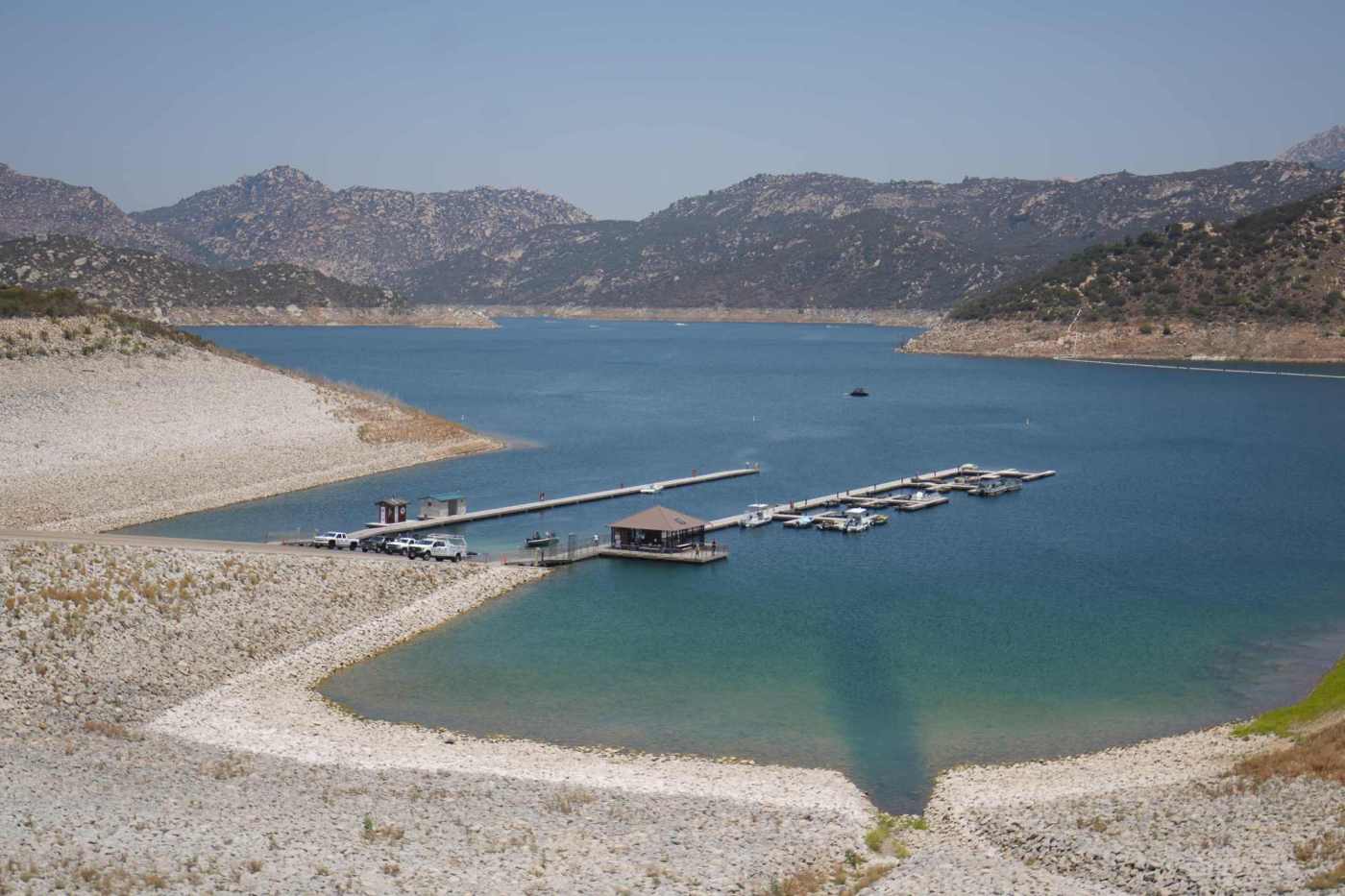
Budget analysts in San Diego are calling for significant changes to the operations of the financially struggling County Water Authority. As city officials grapple with cumulative water rate increases projected to reach 90% over the next six years, the authority forecasts even steeper hikes of 100% to 150% by 2035.
These alarming projections have prompted independent budget analyst Jordan More to propose a comprehensive reevaluation of the water authority’s current practices. The analysis highlights that the authority is contractually obligated to purchase more water than its member agencies typically require, which drives up costs and results in higher rates for local agencies, including the city of San Diego.
The authority is bound to acquire 325,700 acre-feet of water annually, primarily sourced from the Colorado River and the Carlsbad Desalination Plant. Yet, local water sales have declined, with only 323,781 acre-feet sold last year. This trend is unsustainable and has led the city to seek a more proactive role in the management of the water authority.
Direct Action Recommendations
While San Diego’s mayor and City Council have often expressed concerns about the authority’s operations, More’s recommendations suggest a more assertive approach. The city holds 10 of the 34 seats on the authority’s board, giving it significant influence over management decisions.
More’s recommendations serve as directives for the “city 10” as the water authority prepares for its legislative calendar starting on March 7, 2024. A key proposal is for the city to insist that the water authority develop a new business plan within one year. This plan would critically assess operations and explore options that promote sustainability in light of decreasing regional demand.
The review should include evaluations of potential new operational sites, the future of the Twin Oaks Treatment Plant, and upcoming reservoir projects. More emphasized that San Diego’s water officials have already deferred major infrastructure projects for three years to mitigate costs. He argues that it is reasonable to expect the water authority to adopt similar cost-saving measures.
Another central recommendation urges the city to push for negotiations on selling surplus water to out-of-state agencies within the next year. This urgency is underscored by the anticipated launch of the region’s water recycling projects, which are expected to begin producing water within the next 18 months.
Progress and Future Directions
More acknowledged the authority’s recent budget cuts and a legal agreement with the Metropolitan Water District that allows for out-of-state sales. Yet, he stresses that these actions must be part of a broader strategy to alleviate the financial burden on local water agencies.
“Although progress has begun, more rapid and holistic changes are needed quickly to have a lasting and dramatic impact on rates,” More stated. The water authority’s long-range financial plan currently does not account for potential water sales to external agencies or any significant operational reforms.
The “city 10,” comprising members such as City Councilmember Stephen Whitburn, Jimmy Ayala, and Tim Douglass, holds a pivotal position to influence these decisions. Their ability to advocate for a new business plan and effective negotiations will be crucial as the region navigates the challenges of dwindling water resources and rising costs.