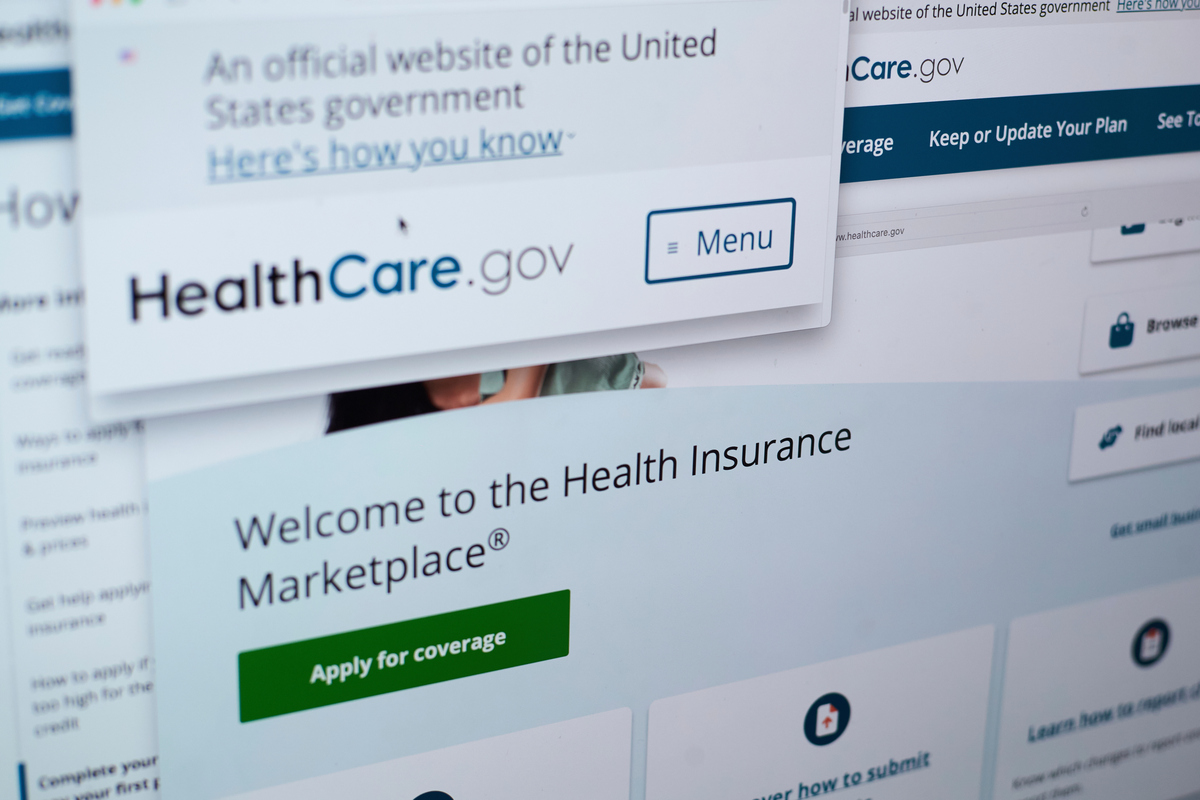
Enrollment in Maine’s Affordable Care Act (ACA) for 2026 has declined significantly, with approximately 5,500 individuals opting to cancel their plans due to rising monthly premiums. As of December 15, 2025, total enrollment dropped by 7% compared to the previous year, according to the Maine Department of Health and Human Services. The surge in cancellations follows Congress’s failure to extend crucial tax credits, which expired at the end of the year.
The average premium increase in Maine is reported to be a staggering 77%. These changes come after the expiration of the Enhanced Premium Tax Credits, which were initially introduced in 2021 and extended until 2025. These credits had provided significant financial relief to many enrollees, making health insurance more affordable.
Mitchell Stein, an independent health policy analyst based in Maine, stated that the drop in enrollment was “completely expected” given the unaffordability of premiums for many. He emphasized the concerning reality that individuals dropping their coverage are “gambling” on their health, hoping to avoid major medical issues in the coming year.
The deadline for purchasing a plan effective from January 1, 2026, was December 15. While a subsequent deadline for plans beginning February 1 falls on January 15, most individuals tend to complete their sign-ups in December to prevent gaps in coverage. Although the Maine DHHS did not provide specific numbers for enrollments by the December 15 deadline, they reported that 57,881 individuals had selected a plan by December 13. This figure contrasts sharply with the total ACA enrollment of 64,678 for 2025.
Lindsay Hammes, a spokesperson for the Maine DHHS, noted that the primary reason for cancellations was the inability to afford the increased monthly premiums. For many, rates have escalated by thousands of dollars, particularly affecting those earning above 400% of the federal poverty level, which amounts to $85,600 for a two-person household. The Enhanced Premium Tax Credits were the sole financial assistance available to this income bracket, and Hammes indicated that 34% of those who canceled their plans had incomes exceeding this threshold.
Stein warned that the expiration of the tax credits is creating an unhealthy cycle within the insurance marketplace. Young and healthy individuals are more likely to drop their coverage, leaving older and less healthy individuals in the pool, which drives insurance rates even higher.
Discussions in Congress regarding the potential extension of the Enhanced Premium Tax Credits are ongoing. While many Republicans, including former President Donald Trump, oppose the extension, a group of moderate House Republicans has introduced a bill aimed at forcing a vote in January for a three-year extension. Additionally, some moderate Republican senators, including Maine’s own Senator Susan Collins, are collaborating with Democrats to explore a bipartisan compromise that could extend most of the credits while introducing new eligibility criteria.
Collins and Senator Angus King, an Independent from Maine, voted last week in favor of extending the credits; however, the proposal did not secure the 60 votes needed to pass in the Senate. Collins also supported a Republican initiative that did not extend the credits but offered funding for health savings accounts, which cannot be utilized for premium payments. King opposed this plan.
Maine Representatives Chellie Pingree and Jared Golden have expressed their support for extending the credits. Hammes also reported a 29% decline in new enrollees, those signing up for ACA insurance for the first time, compared to 2024. “We have the lowest number of new consumers at this time of year since Maine launched its state-based marketplace in 2021,” she stated. The state anticipates that even more individuals may choose to cancel their plans once they begin receiving bills for January, which have recently been distributed to consumers, with payments due by January 1.
As the situation evolves, many in Maine are left to navigate the complexities of health insurance, grappling with rising costs and legislative uncertainty.