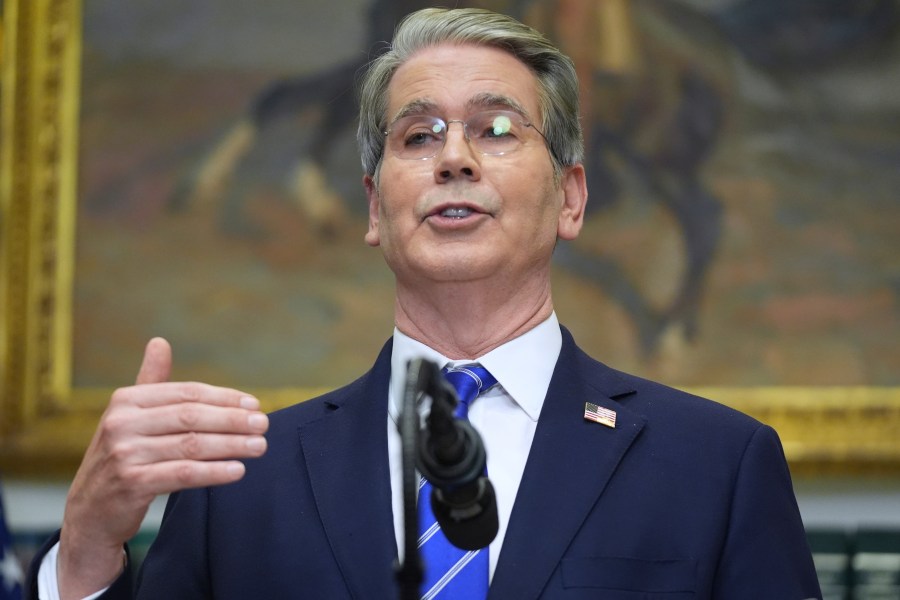
The U.S. Treasury Department has intensified investigations into potential fraud linked to businesses facilitating international money transfers for Minnesota’s Somali community. Treasury Secretary Scott Bessent announced this initiative on Friday, marking a significant escalation in scrutiny towards this specific demographic amid broader immigration enforcement actions under the Trump administration.
Officials are focusing on businesses that serve as conduits for wire transfers to family members abroad. These businesses, often relied upon by immigrants to support relatives in their home countries, are now facing heightened examination under allegations of misuse for fraudulent activities. The Treasury’s efforts reflect a growing concern regarding financial practices within this community.
In recent months, the Trump administration has prioritized immigration enforcement, particularly targeting the Somali diaspora residing in Minnesota. This focus has raised alarms about the potential for discrimination and the implications for community members who depend on these financial services for essential support.
Bessent emphasized that the investigations aim to ensure compliance with financial regulations. “We are committed to safeguarding the integrity of our financial system,” he stated, reinforcing the administration’s stance on combating fraud. However, critics argue that such actions may disproportionately affect the Somali community, which has already faced challenges related to immigration policies.
The scrutiny comes at a time when the Somali community in Minnesota has grown significantly, becoming one of the largest in the United States. Many families rely on remittances sent through these businesses to cover living expenses, education, and healthcare costs. The potential crackdown on these financial conduits could have dire consequences for those who rely on them for basic needs.
As investigations continue, the Treasury Department is expected to release further details regarding specific businesses under review. The outcome of these inquiries may influence not only the financial landscape for the Somali community but also broader discussions about immigration enforcement and its impacts on minority populations in the U.S.
This situation underscores the complexities surrounding immigration, financial services, and community support systems. As the Treasury Department navigates these investigations, the Somali community in Minnesota remains on high alert, concerned about the ramifications for their livelihoods and familial connections abroad.