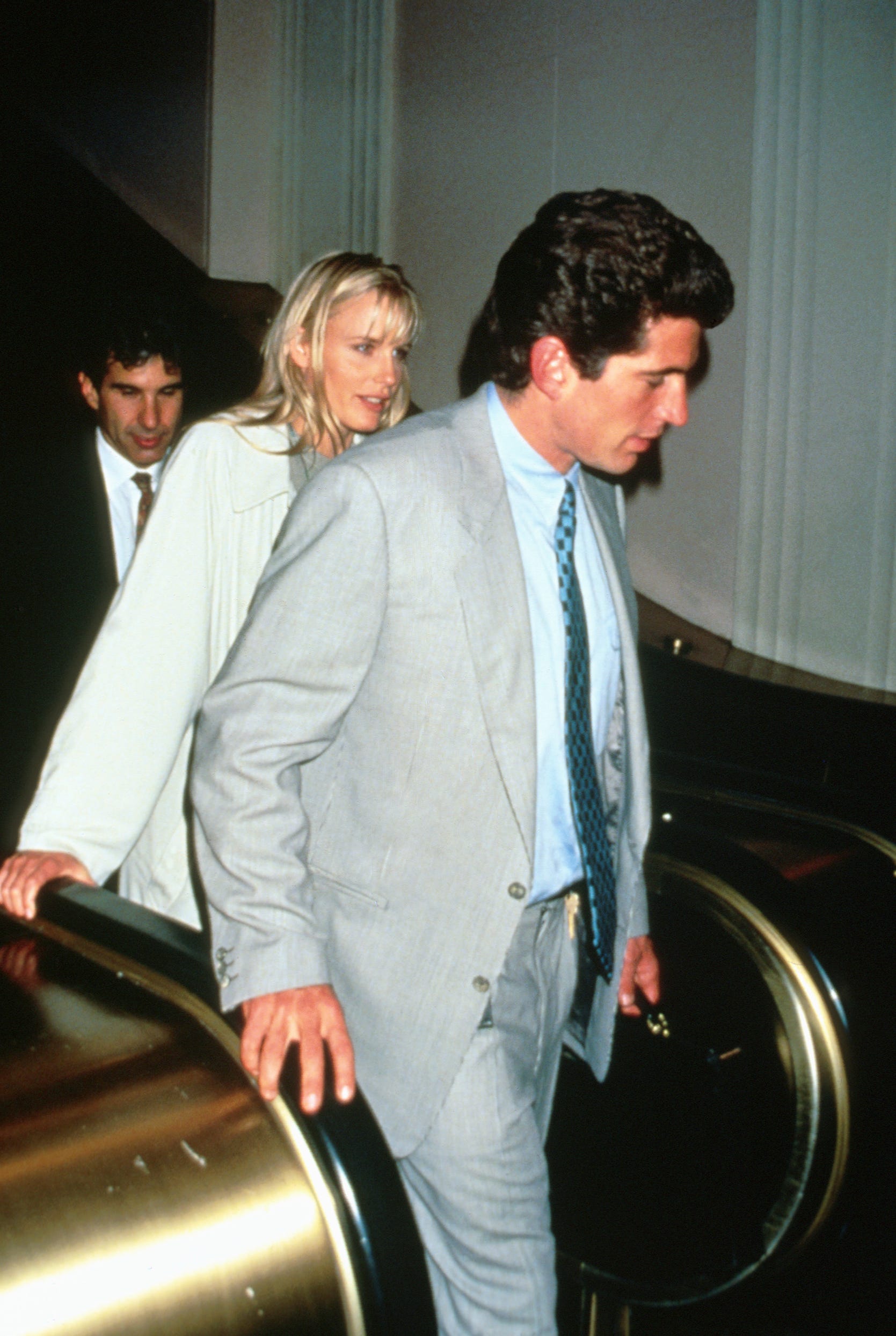
Actress Daryl Hannah has publicly criticized her portrayal in the FX series *Love Story: John F. Kennedy Jr. & Carolyn Bessette*, claiming that the depiction has negatively impacted her personal life and reputation. In a candid essay published on March 6, 2024, in *The New York Times*, Hannah expressed her dissatisfaction with the character based on her, played by Dree Hemingway. She described this representation as “irritating, self-absorbed, whiny and inappropriate,” asserting that it does not accurately reflect her life or her relationship with John F. Kennedy Jr..
Hannah, who had an on-and-off relationship with Kennedy Jr. from 1988 until 1994, strongly denied several negative behaviors attributed to her character in the series. She emphasized that she has never engaged in drug use, attempted to sabotage press coverage, nor made any inappropriate comparisons regarding the late Jacqueline Onassis. “The actions and behaviors attributed to me are untrue,” she stated forcefully. “I have never used cocaine in my life or hosted cocaine-fueled parties. I have never pressured anyone into marriage.”
The series, which highlights the intense media scrutiny faced by Kennedy Jr. and Bessette as a couple, has also drawn unwanted attention to Hannah. She revealed that since the premiere of *Love Story*, she has received numerous hostile messages from viewers who appear to believe the dramatization is factual. “When so many people watch a dramatization that uses a real name, real-life consequences follow,” she wrote, expressing concern about the lasting effects of such portrayals.
Despite her history of keeping her personal life private, Hannah felt compelled to make her feelings known. She noted, “My silence should not be mistaken for agreement with lies.” While she did not directly address the show’s director, Ryan Murphy, or any writers, she criticized those who claim to have intimate knowledge of her life, labeling them as “self-serving sensationalists trading in gossip, innuendo and speculation.”
Hannah concluded her essay with a pointed reminder about the nature of entertainment and its implications. “Many people believe what they see on TV and do not distinguish between dramatization and documented fact—and the impact is not abstract,” she warned. “Real names are not fictional tools. They belong to real lives.”
In a related note, Hemingway, the actress portraying Hannah in the series, shared that she had reached out to Hannah with a “love note” prior to the show’s release. In an interview with *The Hollywood Reporter*, she expressed admiration for Hannah and acknowledged her mother’s acquaintance with the actress. “The show is definitely told from a fictional aspect because we don’t know what happened [behind closed doors],” Hemingway stated, adding how much she appreciates Hannah as both a woman and an actress.
Hannah’s public denouncement of her fictional representation raises significant questions about the ethical responsibilities of creators in the entertainment industry, particularly concerning real individuals. As viewers increasingly engage with dramatizations based on real-life events, the line between fact and fiction becomes more critical than ever.