In a significant cultural shift, classic characters and works will enter the public domain on January 1, 2026. Among them are beloved figures such as Betty Boop and Blondie, joining the ranks of Mickey Mouse and Winnie the Pooh. As the 95-year copyright term in the United States comes to an end for these creations, they will be free for public use, allowing artists and creators to repurpose them without seeking permission or incurring licensing fees.
This upcoming transition represents a notable moment for cultural access, especially following a long stretch without new entries into the public domain. Jennifer Jenkins, a law professor and director of Duke University‘s Center for the Study of the Public Domain, has emphasized the importance of this year, describing it as a celebration of familiar cultural icons. Jenkins noted, “It’s just the sheer familiarity of all this culture.”
Classic Characters Ready for Reinvention
The world of animation will see the introduction of several iconic characters. Betty Boop, who first appeared in the 1930 short “Dizzy Dishes,” will be among those making the leap to public domain. Initially depicted as a dog, Betty evolved into the flapper style icon recognized today, characterized by her distinct appearance and catchy catchphrase, “boop boop, a doop.” Creators can now explore new stories featuring this early version of Betty, with Jenkins humorously suggesting, “She was bitten by a radioactive dog, that’s why she had this weird backstory.”
The character was created by Fleischer Studios and was first released by Paramount Pictures. While the copyright has expired, the trademark for Betty Boop remains in place, meaning merchandise related to her will still require permission and potentially licensing fees.
Similarly, Blondie, the flapper protagonist from the comic strip by Chic Young, will also enter the public domain. The comic first debuted in 1930, chronicling the daily life and adventures of Blondie and her husband, Dagwood Bumstead. Although the strip was centered on Blondie’s experiences, Dagwood often emerged as a fan-favorite character, leading to a cultural phenomenon that includes films and a radio show.
Literary and Cinematic Classics Join the Ranks
The literary world will also welcome several iconic figures into the public domain. Among them is Nancy Drew, whose adventures began in 1930 with “The Secret of the Old Clock.” Written by Mildred Benson under the pseudonym Carolyn Keene, this series has become synonymous with young adult literature and detective fiction.
Additionally, Sam Spade, a fictional detective from Dashiell Hammett’s “The Maltese Falcon,” and Miss Marple, created by Agatha Christie, will also become public domain. These characters represent a rich tradition of detective fiction that shapes the genre to this day.
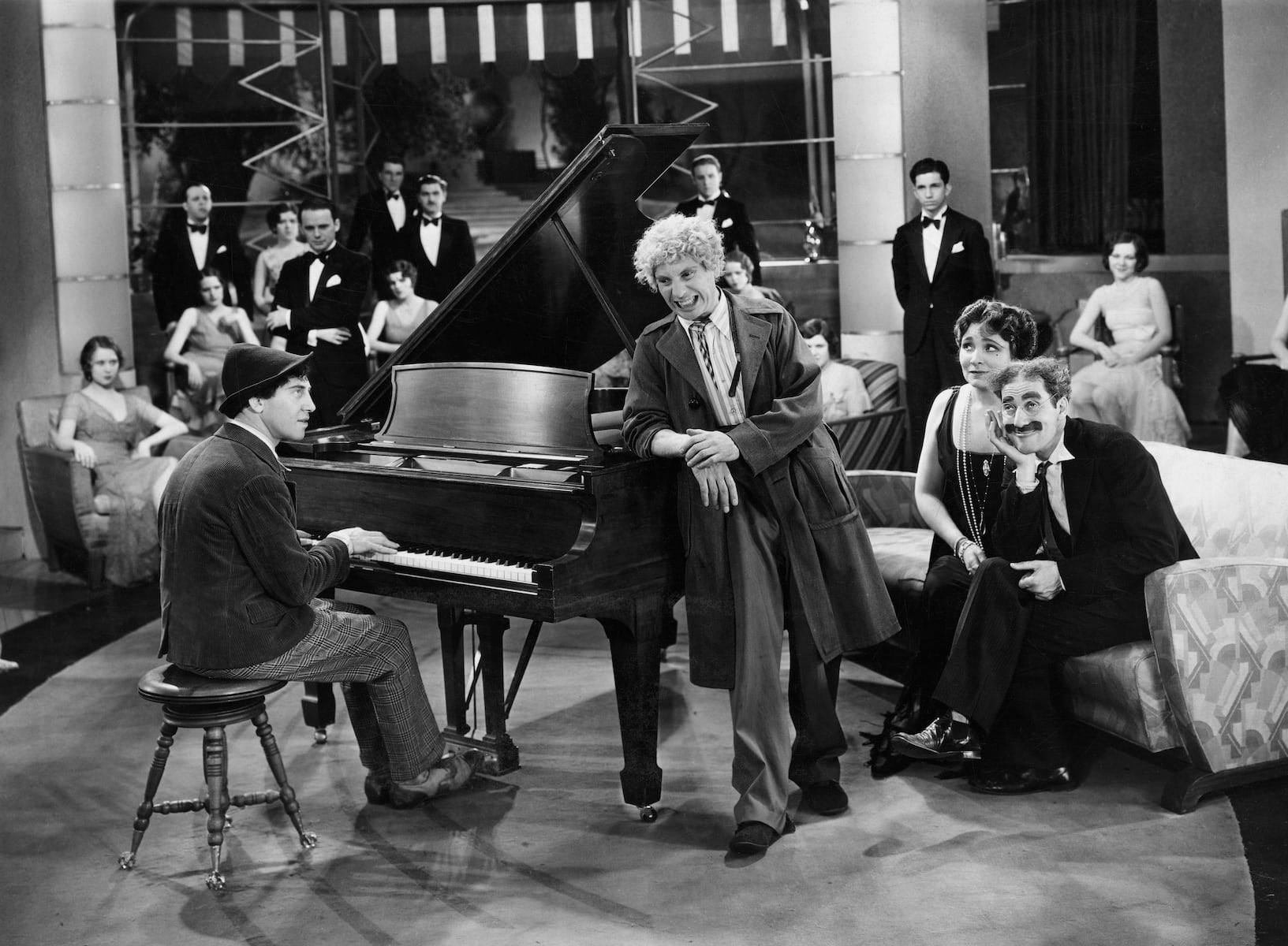
In the realm of film, the Marx Brothers’ classic “Animal Crackers” will join their earlier work, “The Cocoanuts,” both of which showcase their unique brand of comedy. Along with these, notable films such as “The Blue Angel,” featuring Marlene Dietrich, and the Oscar-winning films “All Quiet on the Western Front” and “Cimarron,” will also become available to the public.
Furthermore, the music scene will see a revival of popular songs from the Great American Songbook. Notable entries include classics by George Gershwin, such as “Embraceable You” and “I Got Rhythm,” as well as “Georgia on My Mind” by Hoagy Carmichael.
As the public domain continues to expand, advocates for cultural access celebrate the opportunity for new creative works to emerge from these beloved characters and stories. The year 2026 promises to be a pivotal moment, marking the end of a significant era in copyright law and the beginning of new artistic possibilities.