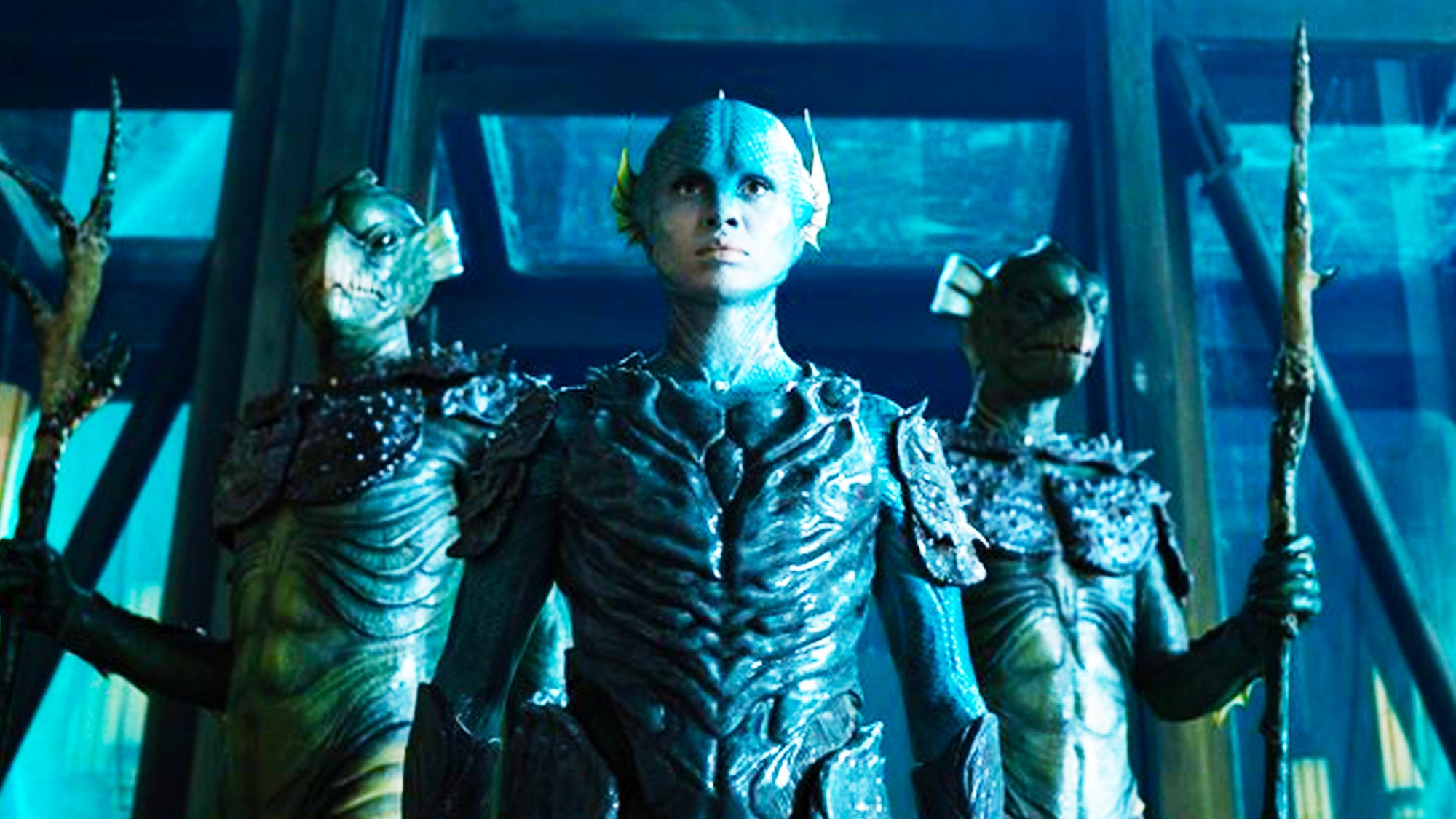
The recent success of the Doctor Who spinoff, The War Between the Land and the Sea, demonstrates the effectiveness of a strategic release format utilized in past series. Under the leadership of showrunner Russell T. Davies, this latest miniseries has garnered significant acclaim, showcasing a compelling narrative that resonates well with audiences.
This spinoff consists of only five episodes, mirroring the successful release strategy adopted with Torchwood: Children of Earth in 2009. The consecutive daily release of its five episodes created a sense of urgency and engagement, elements that have proven advantageous in maintaining viewer interest.
Critics have noted that Doctor Who has faced challenges in recent years, particularly regarding its writing and overall direction. Yet, The War Between the Land and the Sea has captured attention with its gripping storyline centered on the classic monsters, the Sea Devils, and their conflict with humanity. The miniseries is acclaimed for its high-energy pacing and dramatic tension, reminiscent of the earlier Torchwood installment.
Why a Five-Episode Format Works
The five-episode format is effective as it eliminates filler content, allowing for a concise and engaging narrative. Torchwood: Children of Earth focused on a significant global crisis involving an alien race, which demanded a dramatic and swift response from the human characters. This approach kept the story intense and fast-paced, a characteristic that The War Between the Land and the Sea mirrors.
The current spinoff follows Barclay, portrayed by Russell Tovey, who is unexpectedly thrust into the role of humanity’s ambassador in negotiations with Homo Aqua. The plot thickens as he forms an alliance with the Sea Devils’ ambassador, Salt, played by Gugu Mbatha-Raw. As the series progresses, audiences are drawn into a narrative that is both thrilling and emotionally resonant, maintaining a tight focus throughout the five episodes.
The previous spinoff, Torchwood: Miracle Day, released in 2011, is often criticized for its extended run, which some believe diluted the impact of its storyline. A shorter format could have enhanced the pacing and kept the narrative engaging. By limiting the episode count, production costs can also be controlled, allowing for more concentrated storytelling and dynamic action sequences.
Future of Doctor Who Spinoffs
Following the positive reception of The War Between the Land and the Sea, there are growing calls for additional Doctor Who spinoffs that adopt this successful release structure. The brevity of five-episode series could rejuvenate the franchise and potentially restore its former acclaim.
As the Whoniverse continues to evolve, fans are eager to see how this release strategy might shape the future of Doctor Who content. The combination of tight storytelling, engaging characters, and a focused release schedule appears to be a winning formula that resonates with audiences.
With the ongoing dialogue about the direction of the franchise, Russell T. Davies has reiterated the importance of innovation in storytelling while honoring the rich legacy of Doctor Who. The success of these recent spinoffs may pave the way for fresh narratives that continue to explore the boundaries of science fiction and adventure.
Engage with the discussion and share your thoughts on the future of Doctor Who spinoffs in the comments below.