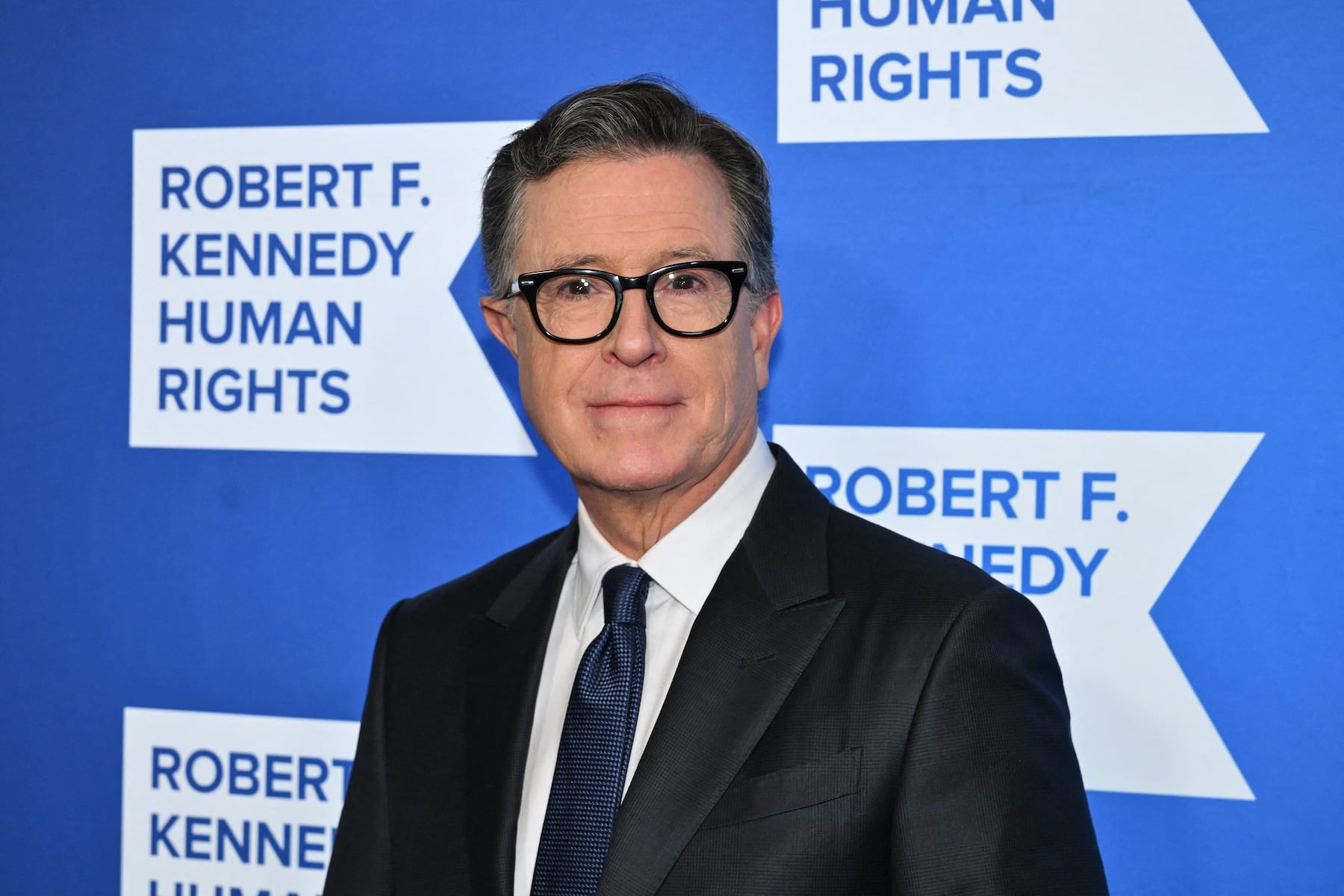
Stephen Colbert’s long-running late-night program, The Late Show, is set to conclude its journey on May 21, 2025. Colbert confirmed the final air date during a recent appearance on “Late Night with Seth Meyers.” The show, which premiered in 1993 with David Letterman as the host, has become a staple of television, with Colbert taking over the hosting duties in September 2015.
The conclusion of The Late Show marks the end of not just Colbert’s tenure but also the entire franchise. Paramount Global, CBS’s parent company, announced in July 2023 that it would be retiring the 33-year-old brand. The company stated, “We consider Stephen Colbert irreplaceable and will retire ‘The Late Show’ franchise at that time.” Paramount emphasized that this decision was motivated by financial considerations in a challenging late-night landscape, rather than any issues with the show’s content or performance.
The timing of the cancellation has raised eyebrows, particularly as it followed closely behind Colbert’s public criticism of Paramount’s $16 million settlement with former President Donald Trump. This settlement arose from a 2024 interview on “60 Minutes,” where Trump claimed that CBS had manipulated the footage to favor Democratic candidate Kamala Harris, inflicting “mental anguish” on him. Colbert expressed his discontent on air, describing the settlement as a “big fat bribe” intended to smooth the path for Paramount’s merger with Skydance Media.
While the corporate friction surrounding the show’s conclusion is evident, Colbert leaves the program on a high note. In September 2023, he won the Emmy for Outstanding Talk Series, reinforcing his significant impact on the late-night television landscape. As fans prepare for the series finale, the legacy of The Late Show and the influence of Colbert in late-night comedy are undeniable.
Collectively, the announcement of the finale and the surrounding circumstances point to a shift in the late-night television environment, as networks reassess their programming strategies in response to evolving viewer preferences and economic pressures.