Early on January 10, 2024, the United States launched military strikes in Venezuela, leading to the ousting of President Nicolás Maduro and his wife, Cilia Flores. The couple now faces federal drug trafficking charges in the U.S. and appeared for their first court hearing in New York City shortly after the military intervention. This significant event has heightened tensions in the region, with the White House urging Venezuela’s acting president to open the country to American energy companies, aiming to control the distribution of Venezuelan oil globally.
In a separate matter, President Donald Trump reignited diplomatic tensions with Denmark by reiterating his desire for a U.S. “takeover” of Greenland, the Arctic island that functions as a self-governing territory of Denmark. This controversial comment has drawn criticism from Danish officials, further complicating U.S.-Denmark relations.
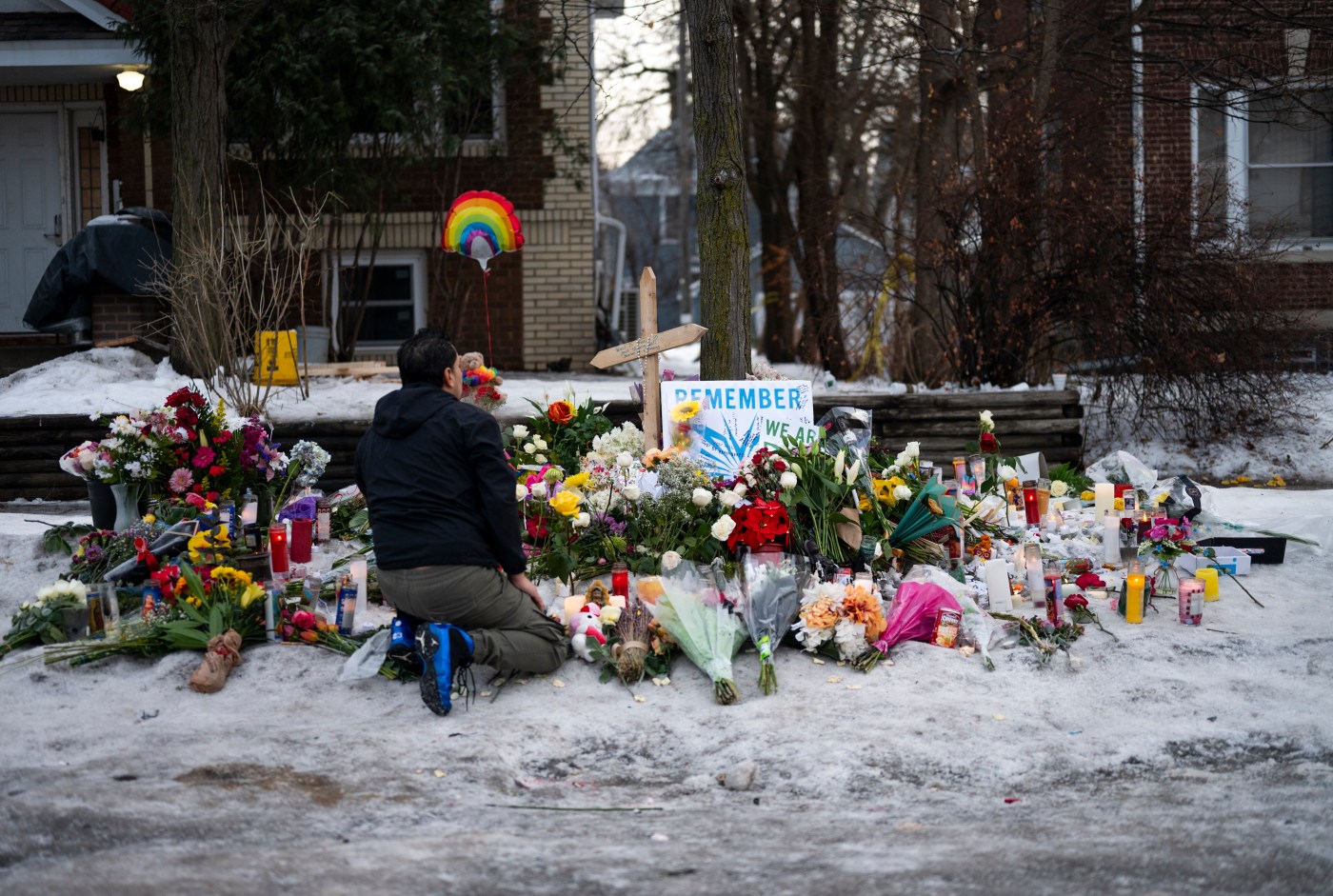
On the domestic front, the U.S. grapples with the fallout from the shooting death of Renee Good, a 37-year-old woman from Minneapolis. She was shot while in her car by an Immigration and Customs Enforcement (ICE) officer, prompting widespread debate over the justification of the shooting. The release of bystander videos and cellphone footage has led to protests across the nation. In response, former Chicago Mayor Lori Lightfoot initiated the ICE Accountability Project, aiming to monitor immigration agents’ alleged misconduct during Operation Midway Blitz.
The U.S. Department of Health and Human Services announced a freeze on $10 billion in funding for child care programs in five Democrat-led states, including Illinois. In reaction, the affected states filed a lawsuit against the Trump administration, resulting in a federal judge issuing a temporary restraining order to block the funding freeze for the time being.
In legislative news, several House Republicans joined Democrats to pass a bill that would extend Affordable Care Act subsidies, which expired at the end of last year. In Illinois, Governor JB Pritzker signed a comprehensive energy bill aimed at reducing electricity costs amid rising utility expenses. Nevertheless, the relief may not extend to all residents, as Nicor Gas submitted a request for a $221 million rate increase for suburban Chicago customers, potentially raising average delivery charges by approximately $6 per month.
At the municipal level, Chicago’s City Hall saw aldermen advance an ordinance allowing the police superintendent to impose a teen curfew at any time and place. Additionally, Mayor Brandon Johnson hinted at potential layoffs for city workers, while Chicago’s chief financial officer announced her departure from the mayor’s administration for another job opportunity.
In sports, the Chicago Bears are gearing up for their first playoff game in five years, set to face their long-standing rivals, the Green Bay Packers, at Soldier Field. Anticipation runs high as the team prepares to compete under the guidance of first-year coach Ben Johnson and standout player Caleb Williams. Fans are eager to see if the Bears can secure a victory against the Packers, making it a pivotal matchup in the playoffs.
As the week draws to a close, readers are invited to engage with the Tribune’s Quotes of the Week quiz, reflecting on the significant events that have unfolded from January 4 to January 10. For those who missed it, past editions of the quiz are available for review.