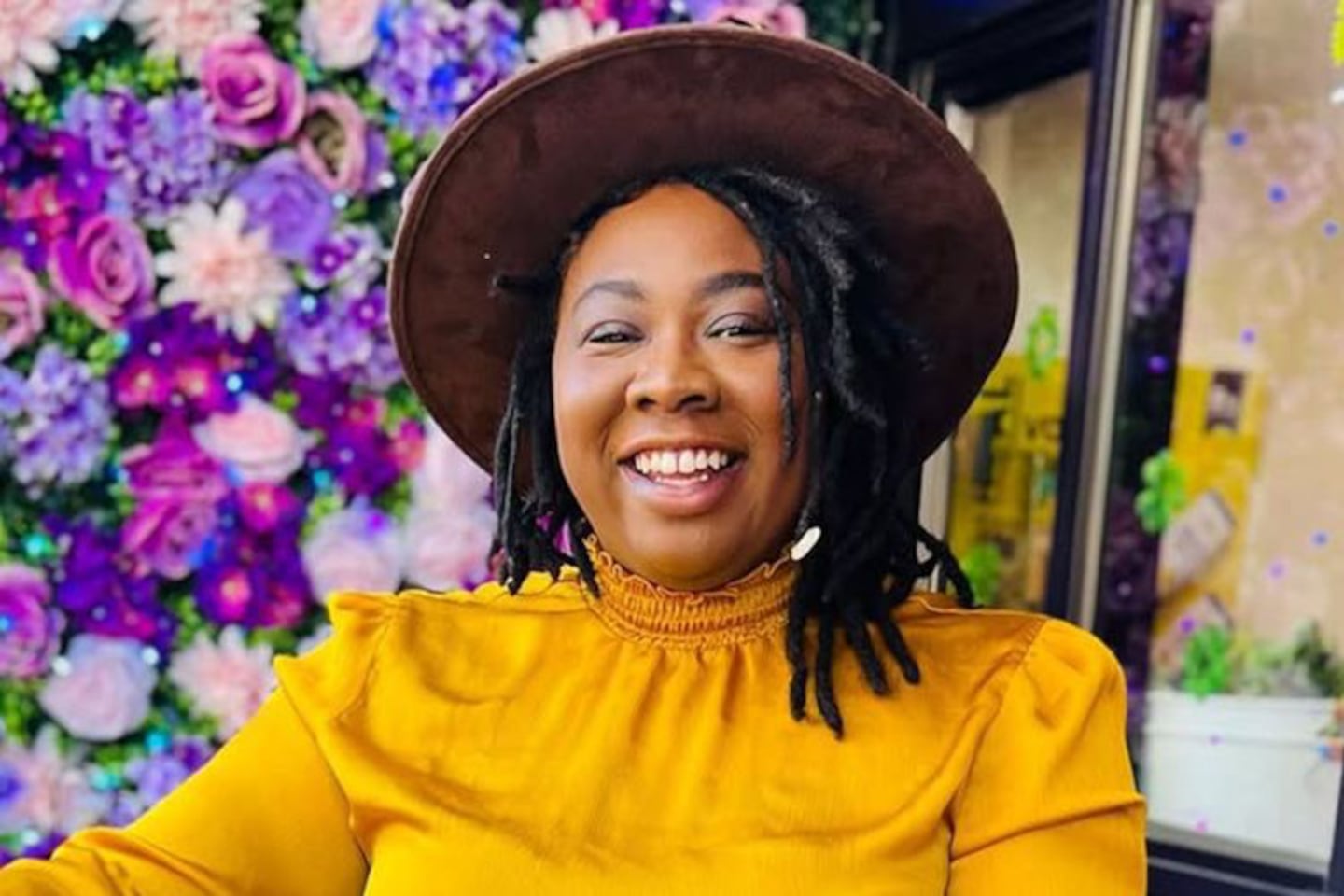
Dr. Janell Green Smith, a dedicated advocate for Black maternal health, passed away on January 2, 2023, due to complications following the birth of her first child. She was just 31 years old. Smith’s death brings to light the ongoing crisis surrounding maternal health disparities in the United States, particularly for Black women, who face significantly elevated risks during pregnancy and childbirth.
In April 2022, to commemorate Black Maternal Health Week, Smith shared her motivations for becoming a certified nurse midwife. She was driven by alarming statistics from the U.S. Centers for Disease Control and Prevention, which indicated that Black women are three times more likely than white women to die from pregnancy-related causes. Smith aspired to be a provider who listened to her patients, ensuring they felt comfortable and supported throughout their pregnancy journeys.
Smith collaborated with the Hive Impact Fund, a nonprofit organization that provides essential resources and educational support to parents during the early years of their children’s lives. In a heartfelt message, she expressed her solidarity with Black mothers globally, stating, “I see you, I salute you, I honor you, and your midwife will always support you.”
The circumstances surrounding Smith’s death have not yet been publicly detailed. However, they underscore a troubling reality: regardless of education or socioeconomic status, Black women in the United States experience disproportionate rates of pregnancy complications and maternal mortality. A comprehensive study by the National Bureau of Economic Research, released in 2022 and revised in October 2025, revealed that even affluent Black mothers and their infants are more than twice as likely to die compared to their white counterparts in the year following childbirth. Alarmingly, their infant mortality rates are comparable to those of the poorest white women.
The experiences of high-profile figures, such as tennis champion Serena Williams, highlight the pervasive issues within maternal healthcare. Williams recounted a near-fatal pulmonary embolism she suffered just days after giving birth in 2017. Despite her medical history and understanding of her body, her concerns were initially dismissed by medical staff. It took her insistence for the medical team to conduct further tests, which ultimately revealed multiple blood clots in her lungs.
Such cases raise critical questions about systemic racial bias in healthcare. Research documented in a 2023 New York Times article outlines how the stress of experiencing racism and environmental factors, such as air pollution, affect maternal and infant health. Furthermore, inequitable access to paid family leave exacerbates these issues.
Smith understood the unique challenges faced by Black mothers. Her role as a nurse midwife was not merely a profession; it was a calling aimed at improving the health outcomes of her community. Following her death, the American College of Nurse-Midwives released a statement emphasizing her dedication to equitable, evidence-based care. They described her passing as “heartbreaking and unacceptable,” highlighting the systemic failures that continue to endanger Black women during and after childbirth.
The loss of Dr. Smith is deeply felt by her family and the community she served. Her expertise and compassion were invaluable assets in a healthcare landscape that often fails Black women. In a nation grappling with the highest maternal mortality rate among high-income countries, her death represents not just a personal tragedy but a broader, systemic issue that demands urgent attention and action.
As discussions surrounding maternal health continue, the legacy of advocates like Dr. Janell Green Smith will resonate, serving as a poignant reminder of the urgent need for change in addressing racial disparities in healthcare.