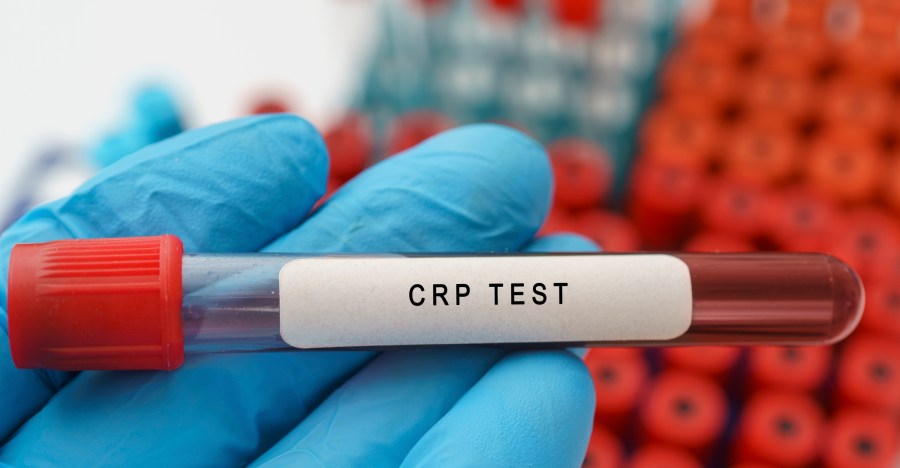
Heart disease remains the leading cause of death in the United States, prompting ongoing research into its risk factors. Recent findings suggest that C-reactive protein (CRP) may serve as a more significant marker for heart disease risk than traditional measures such as cholesterol levels. This shift in understanding could reshape how healthcare professionals evaluate and manage heart disease risk.
For decades, cholesterol levels have been a primary focus in assessing heart disease risk. Since the 1950s, scientists have linked diet and cholesterol to the development of cardiovascular conditions. Blood tests routinely conducted at doctor’s offices have provided the standard metrics for evaluating patients. Yet, new research indicates that CRP, a marker of inflammation in the body, could offer deeper insights into cardiovascular health.
Understanding C-Reactive Protein
C-reactive protein is produced by the liver in response to inflammation. Elevated levels of CRP in the blood can indicate inflammation caused by various factors, including infections or chronic diseases. In recent studies, researchers have found a strong correlation between high CRP levels and an increased risk of heart disease, suggesting that it may be a more reliable indicator than cholesterol levels alone.
A comprehensive analysis published in The Conversation highlights that while cholesterol has been a long-standing focus, it does not tell the full story regarding heart disease risk. For example, some individuals with normal cholesterol levels may still experience cardiovascular events, which could be explained by elevated CRP levels.
Implications for Healthcare
The emerging emphasis on CRP levels could lead to new guidelines in cardiovascular risk assessment. Healthcare providers may begin to incorporate CRP testing alongside traditional cholesterol screenings, allowing for a more holistic approach to patient care. This could particularly benefit patients who have risk factors for heart disease but present normal cholesterol levels.
According to recent research, the integration of CRP testing could potentially identify individuals at higher risk earlier, enabling proactive interventions. This shift would be especially important in populations where heart disease rates are climbing.
The recognition of CRP as a critical factor in assessing heart disease risk underscores the need for ongoing research to better understand the complexities of cardiovascular health. As medical professionals refine their approaches, the focus will likely shift towards a combination of inflammatory markers and cholesterol levels, enhancing the accuracy of risk assessments.
In conclusion, as the medical community continues to explore the intricacies of heart disease, the role of C-reactive protein is becoming increasingly vital. This could lead to improved prevention strategies, ultimately aiming to reduce the incidence of heart disease and its associated mortality rates across the globe.