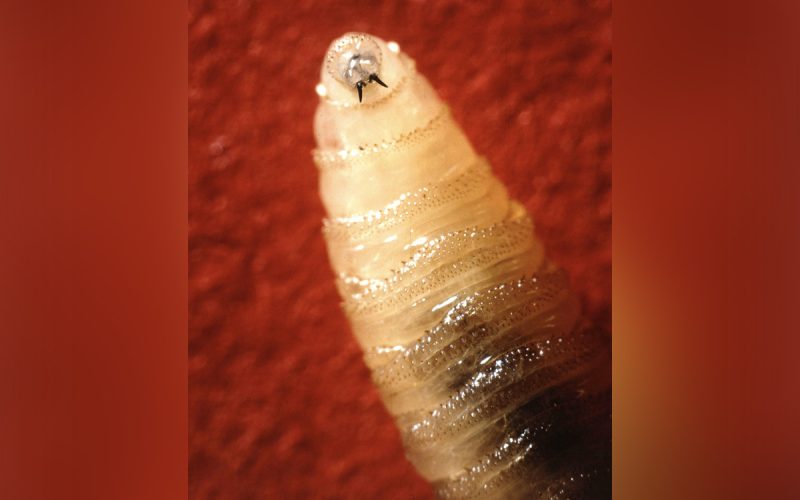
The Centers for Disease Control and Prevention (CDC) has issued a warning to healthcare professionals to be vigilant for symptoms associated with the New World screwworm. This advisory, released in September 2023, highlights the urgent need for awareness as the parasite poses a significant health risk to both humans and animals.
Understanding the New World Screwworm
The New World screwworm fly, scientifically known as Cochliomyia hominivorax, lays its eggs in open wounds, as well as in sensitive areas such as the nose, ears, eyes, and mouth. Once hatched, these eggs develop into parasitic larvae, commonly referred to as maggots. As they feed on the surrounding flesh, they burrow deeper into the tissue, causing severe damage and risking serious infection.
The CDC emphasizes that early detection is crucial. Symptoms can include intense irritation and inflammation around the infected area, often accompanied by a foul odor due to tissue decay. If left untreated, the condition can escalate, leading to systemic infections that may require surgical intervention.
Impact and Response
The recent uptick in screwworm cases has been particularly concerning in regions where the fly is endemic. Experts warn that the potential for outbreaks exists, especially in areas with a high population of livestock, as the larvae can inflict considerable harm on animals. Farmers and veterinarians are being urged to monitor livestock closely for any signs of infection, as animals can be severely affected, leading to economic losses.
The CDC’s guidance includes recommendations for healthcare providers to ask patients about travel history and potential exposure to infected animals. This proactive approach is aimed at containing any possible outbreaks before they spread further.
In light of these developments, the CDC is collaborating with state health departments to disseminate information and resources to local healthcare providers. This initiative aims to enhance the response to potential cases and ensure that appropriate measures are in place to safeguard public health.
The situation remains fluid, and the CDC continues to track the spread of the New World screwworm. As the agency works to improve awareness and response strategies, the importance of community vigilance cannot be overstated.