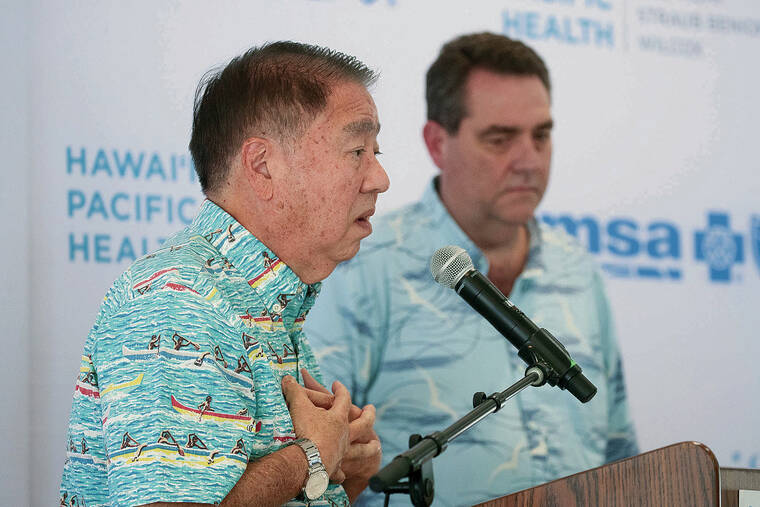
Concerns are mounting regarding the proposed merger between the Hawaii Medical Service Association (HMSA) and Hawaii Pacific Health, one of the state’s two major healthcare systems. The merger aims to create a new entity called One Hawai‘i Health, but critics argue it may lead to a monopoly that could raise healthcare costs and limit patient choices.
The merger has been described as lacking substance, raising questions about its potential impact on the healthcare landscape in Hawaii. Critics, including local residents and healthcare professionals, worry that the partnership will create a powerful entity that prioritizes profit over patient care. According to Deborah A. Luckett, a concerned local resident, the plan appears to be filled with “hyperbole” and short on tangible benefits for patients.
HMSA has claimed that the new organization could save $2 billion over a decade by eliminating unnecessary procedures, waste, and fraud. However, the absence of supporting evidence for such assertions has left many skeptical. The lack of clarity surrounding what constitutes an “unnecessary procedure” adds to the concerns, with some questioning whether future decisions might rely on artificial intelligence rather than medical professionals.
In light of these worries, questions have also arisen about the financial health of HMSA. If the organization is indeed struggling financially, critics point out that it seems contradictory for them to engage in expensive advertising campaigns during prime time. This raises eyebrows about the true intentions behind the merger.
Additionally, the issue of salary transparency for executives of both institutions is a significant point of contention. Many stakeholders are pushing for greater clarity regarding how much leaders of HMSA and Hawaii Pacific Health are compensated. This concern about leadership accountability is compounded by the potential for the merger to limit competition in the healthcare sector, further entrenching the power of the new entity.
The merger proposal has sparked discussions among healthcare professionals, patients, and policymakers. Many are urging for a thorough review of the implications this merger may have on the quality and accessibility of healthcare in Hawaii.
As the situation evolves, it remains crucial for stakeholders to remain vigilant and engaged. The potential establishment of One Hawai‘i Health could mark a significant shift in the state’s healthcare landscape, and its long-term effects warrant careful consideration. The community’s response to this proposal will likely shape the future of healthcare in Hawaii, underscoring the importance of transparency and accountability in such significant decisions.