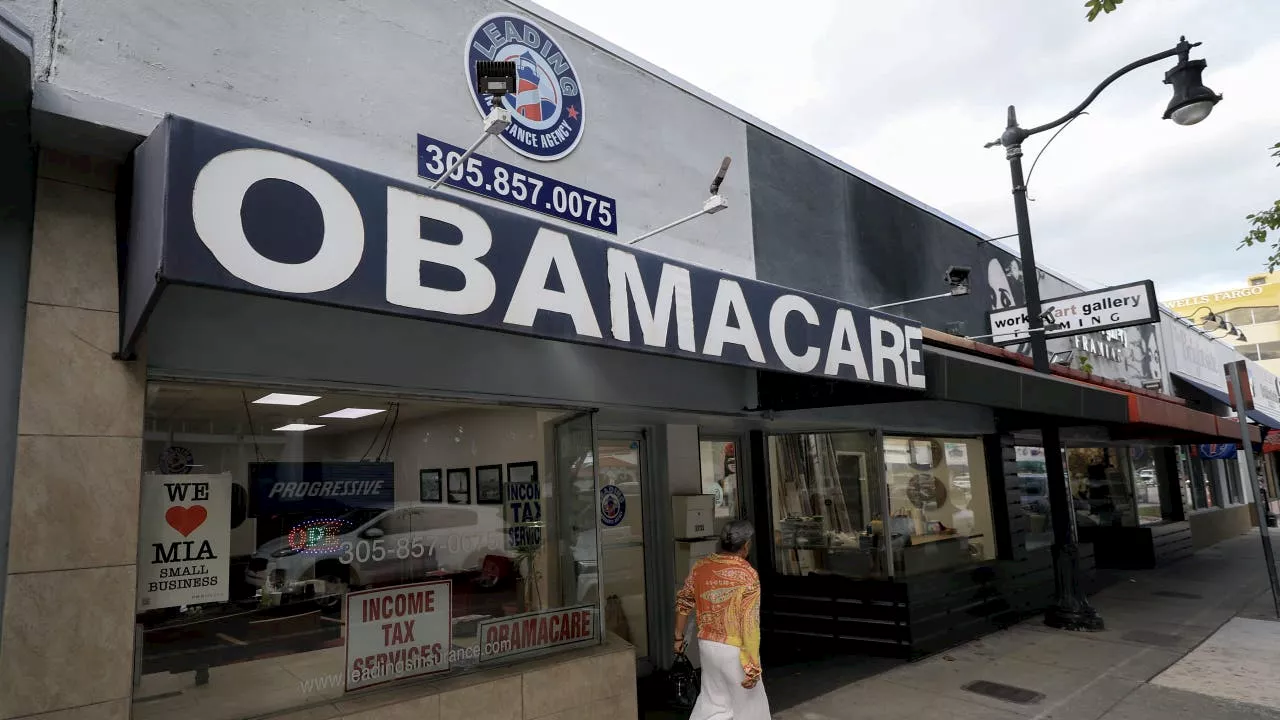
The ongoing debate over healthcare subsidies continues to be a pressing issue as Congress prepares to reconvene in January. A discharge petition, supported by all Democrats and four Republicans, aims to extend Obamacare subsidies for three years. The House Speaker, Mike Johnson, has indicated that discussions will continue, but a vote will not occur until lawmakers return from their holiday recess.
Healthcare Subsidies at a Crossroads
As the year draws to a close, many Americans are becoming increasingly aware of the implications of the recent legislation known as the One Big Beautiful Bill (OBBB). This significant bill, which includes a continuation of substantial tax cuts for wealthy individuals, has raised concerns about its impact on healthcare funding. The OBBB has created a budgetary gap, prompting discussions about how to finance essential programs such as Medicare and Medicaid.
Among those closely tracking these developments is Janet Colliton, a Certified Elder Law Attorney with over two decades of experience navigating the U.S. healthcare system. Her insights stem not only from her professional background but also from personal experience; her daughter suffers from a chronic autoimmune disorder requiring regular treatments. This personal connection underscores the importance of reliable access to healthcare.
Colliton emphasizes that finding effective treatments is critical for maintaining health and independence. “Once a right treatment or protocol is determined, it can make all the difference,” she stated. She warns that financial measures alone, such as proposed Health Savings Accounts or one-time checks, cannot replace the need for consistent access to necessary medical care.
The Path Forward for Healthcare Legislation
The push for a vote on healthcare subsidies in the House is fueled by the need for a discharge petition, which compels the Speaker to bring a proposal to the floor if it garners sufficient support. The petition to extend the subsidies is now awaiting consideration when Congress returns in January. If the House approves the extension, it will subsequently require approval from the Senate, where bipartisan support will be crucial.
Senator Mike Rounds (R-SD), a member of the Banking, Housing, and Urban Affairs Committee, expressed his concerns about the legislative process, stating, “It’s just strange…There could have been a one-year extension. We need 60 votes here. I want to vote on something that can actually pass, and I don’t know why that’s not our plan” (Raw Story, December 19, 2025).
The future of healthcare subsidies remains uncertain, with many Americans relying on these programs for their well-being. As stakeholders await the upcoming vote, the importance of stable and accessible healthcare continues to resonate across the nation.
Colliton’s advocacy for those facing similar health challenges underscores the human element behind policy decisions. Her practice is dedicated to elder law, estate planning, and long-term care needs, highlighting the significance of comprehensive healthcare solutions. With offices located at 790 East Market St., Suite 250, West Chester, she is also a co-founder of Life Transition Services LLC, aimed at assisting families with long-term care requirements.
As the situation unfolds, many Americans will be watching closely to see how Congress addresses the pressing need for healthcare reform in the upcoming legislative session.