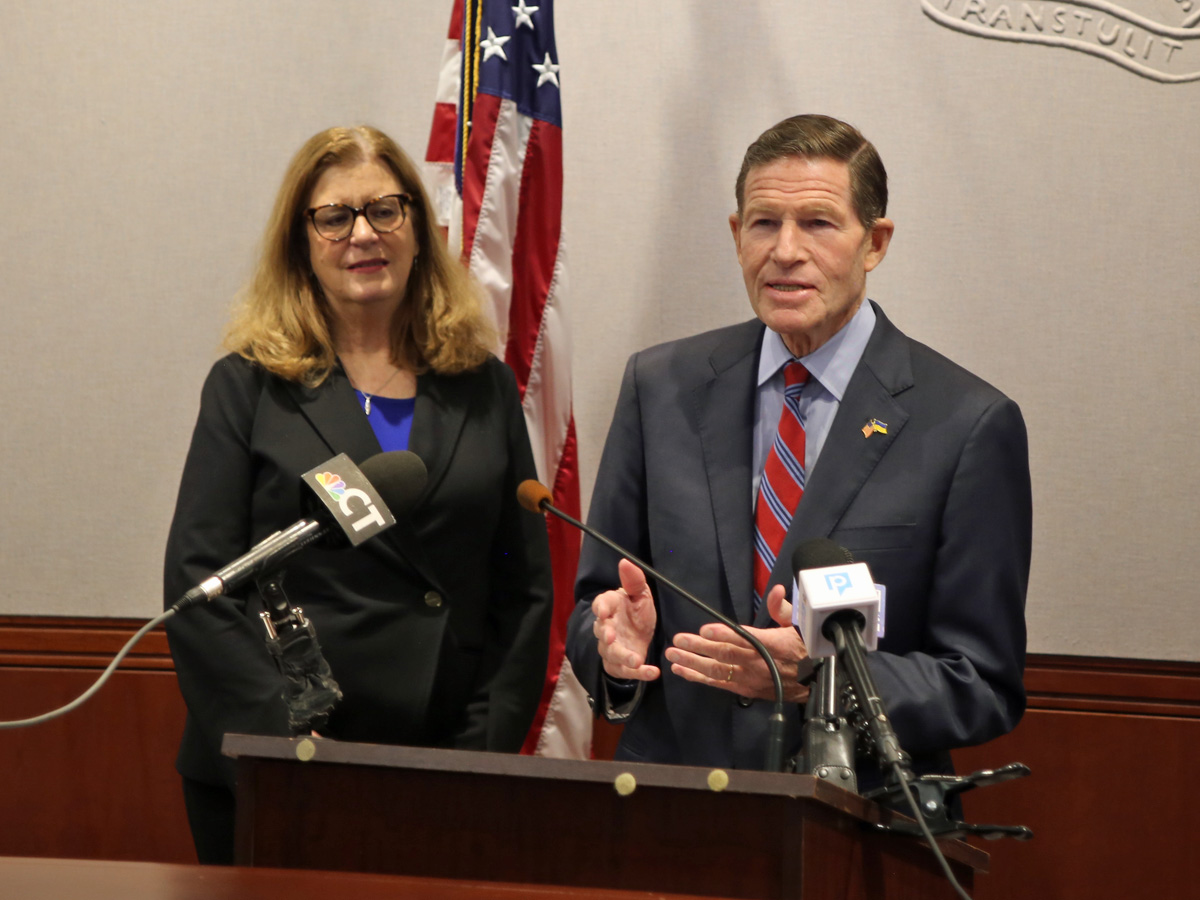
Connecticut healthcare leaders are calling for immediate congressional action to address surging health insurance costs following the expiration of special subsidies under the Affordable Care Act (ACA). State Healthcare Advocate Kathleen Holt reported that many individuals are already feeling the financial strain of this lapse, with some experiencing drastic increases in their insurance premiums.
“We all know people impacted by Congressional failure to extend the enhanced premium tax credits on the Affordable Care Act plans,” Holt stated. She illustrated her point with personal examples from her community, sharing that her electrician’s wife, who suffers from chronic illnesses, saw their ACA insurance premiums triple last week. Similarly, a plumber undergoing chemotherapy and the hairdresser she frequents also faced significant premium hikes.
Congressional Action Needed
Holt joined Senator Richard Blumenthal, a Democrat from Connecticut, and Tom Swan, Executive Director of the Connecticut Citizen Action Group, in a press conference to emphasize the urgent need for legislative action. The group highlighted that the termination of tax credits has impacted an estimated 20 million Americans, with many facing doubled or tripled premiums.
Blumenthal acknowledged that while Connecticut has allocated $70 million to subsidize health care premiums for those earning up to 400% of the federal poverty line, the measure is insufficient. “It only fills part of the gap, and it is a one-shot, one-year stopgap,” he explained. He further underscored that this temporary solution does not address the ongoing issue of escalating healthcare costs.
Holt pointed out that the rising premiums are forcing individuals to consider drastic measures, such as working more hours, seeking under-the-table jobs to qualify for Medicaid, or draining savings to cover increased costs. She warned that those without ACA plans would also be adversely affected, potentially leading to an uptick in emergency room visits as people delay preventive care due to financial constraints.
Political Landscape and Proposed Solutions
Looking ahead, Blumenthal emphasized that extending subsidies will be the top priority for Democrats once Congress reconvenes on March 18, 2024. In response to the growing financial burden on families, Republicans have proposed Health Savings Account (HSA) payments as a lower-cost alternative to the subsidies, possibly allowing for a one- or two-year extension of government support.
While Blumenthal expressed openness to compromise, he firmly stated, “They have to extend the subsidies that are vital to affording health care insurance. Even if it’s for a shorter period of time, we need to stop the cost of health care spiraling out of control for everyday Americans.”
The call to action by Connecticut’s leaders highlights a critical moment in the ongoing debate over health care affordability in the United States, as millions face uncertainty regarding their health insurance coverage and rising costs.