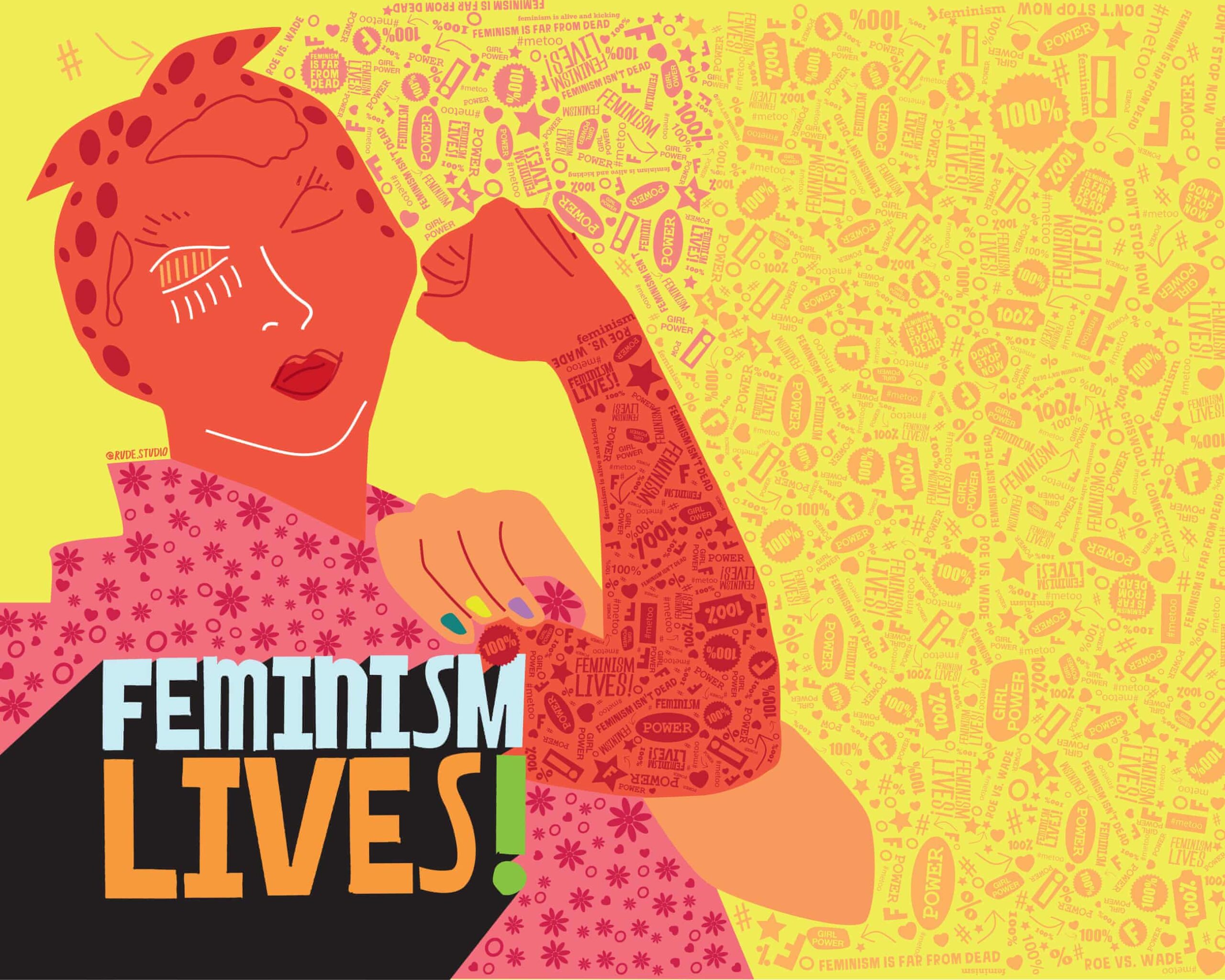
Feminism continues to thrive despite frequent proclamations of its demise. Although many assert that the movement has run its course, a closer examination reveals that the fight for gender equality remains vital and ongoing. The narrative surrounding feminism often rests on two flawed assumptions: that the movement should have achieved its goals within a single lifetime and that isolated events can serve as definitive indicators of its success or failure.
The first assumption overlooks the reality that centuries of entrenched patriarchy—woven into legal, cultural, and economic systems—cannot be dismantled overnight. The second assumption frames specific incidents, such as the overturning of Roe v. Wade in June 2022 and the emergence of the #MeToo movement, as the sole measures of feminism’s effectiveness. Such a narrow view fails to acknowledge broader societal changes and gains.
Recent discussions surrounding #MeToo have often focused on perceived shortcomings, with critics declaring the movement a failure whenever high-profile sexual abuse cases continue to emerge. This perspective lacks nuance. For instance, the #MeToo movement catalyzed significant changes in workplace policies, with over 70 new anti-harassment laws passed across 40 US states since its inception. Prior to #MeToo, only three states had any such reforms in place. This legislative shift represents a critical increase in accountability and victim protection, even if the outcomes may not always capture headlines.
Understanding the Broader Context
The impact of #MeToo transcends individual cases. It has fostered a societal recognition of the pervasiveness of gender violence, challenging harmful stereotypes that often protect perpetrators. The movement’s influence has led to substantial legal reforms, such as the 2021 nationwide law that ended forced arbitration for victims of sexual assault and harassment, allowing them to seek justice in court.
While these changes may not always receive immediate attention, their long-term implications are profound. Victims are now more likely to be heard, and the consequences for abusers have become more severe. High-profile convictions, including those of Harvey Weinstein and R. Kelly, have sent a clear message: the era of impunity for sexual misconduct is waning.
Moreover, the ongoing revelations from the Epstein case continue to expose the darker corners of society where abuse thrives. Investigative journalism, exemplified by the work of Julie K. Brown, has brought critical attention to the plight of victims and raised awareness about the systemic failures that allow such abuses to persist. The Epstein files serve as a reminder of the importance of accountability, particularly among the elite who have historically evaded scrutiny.
The changing landscape of feminism is also marked by growing male involvement in discussions surrounding gender equality. Figures such as congressmen Thomas Massie and Ro Khanna have taken active roles in addressing issues highlighted by the Epstein case, reflecting a shift in the perception of feminism as a movement solely for women.
Reflecting on Progress and Challenges
It is essential to remember that feminism is a dynamic movement. The narrative surrounding its success or failure should not focus solely on isolated events but rather consider the broader context of societal change. For instance, while the reversal of Roe v. Wade has raised significant concerns, other nations have made strides in expanding reproductive rights. According to the Center for Reproductive Rights, 60 countries have enhanced abortion rights in the past three decades, underscoring that progress is not uniform across the globe.
In the United States, only 13 out of 50 states have enacted total bans on abortion, and less than 30% of women reside in those jurisdictions. Many states have even strengthened reproductive rights, highlighting that the struggle for these rights is far from over.
Surveys indicate a strong public support for legal abortion, with nearly two-thirds of Americans backing the right as of 2024. This suggests that attempts to roll back rights may not hold in the face of shifting public opinion. The enduring belief in women’s rights serves as a foundation for continued advocacy and activism.
The backlash against feminism, often fueled by the rise of misogynistic online communities, poses challenges. Yet, it is crucial to recognize that many men have embraced feminist principles, whether they acknowledge it or not. The transformation in domestic responsibilities, for example, reflects a broader shift in societal expectations and norms surrounding gender roles.
As the gender revolution continues, the narrative of feminism is still being written. The journey toward equality is marked by both progress and challenges. While the fight for women’s rights is far from complete, the achievements over the past several decades are substantial and worth celebrating.
Feminism is not merely a relic of the past; it remains a vital force for change. The work of advocates, activists, and everyday individuals who champion gender equality is integral to shaping a future where all individuals can thrive without fear of discrimination or violence. As we move forward, it is essential to recognize the depth of change that has occurred and to remain committed to advancing the ideals of feminism for generations to come.