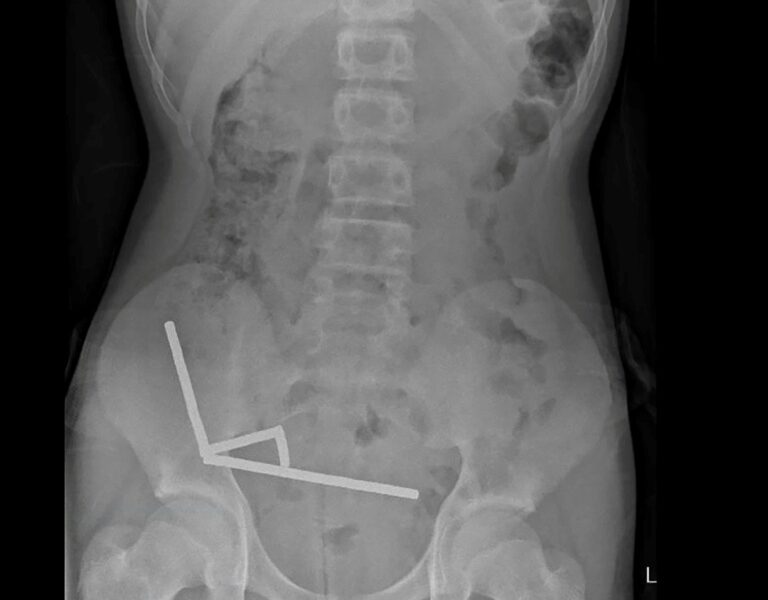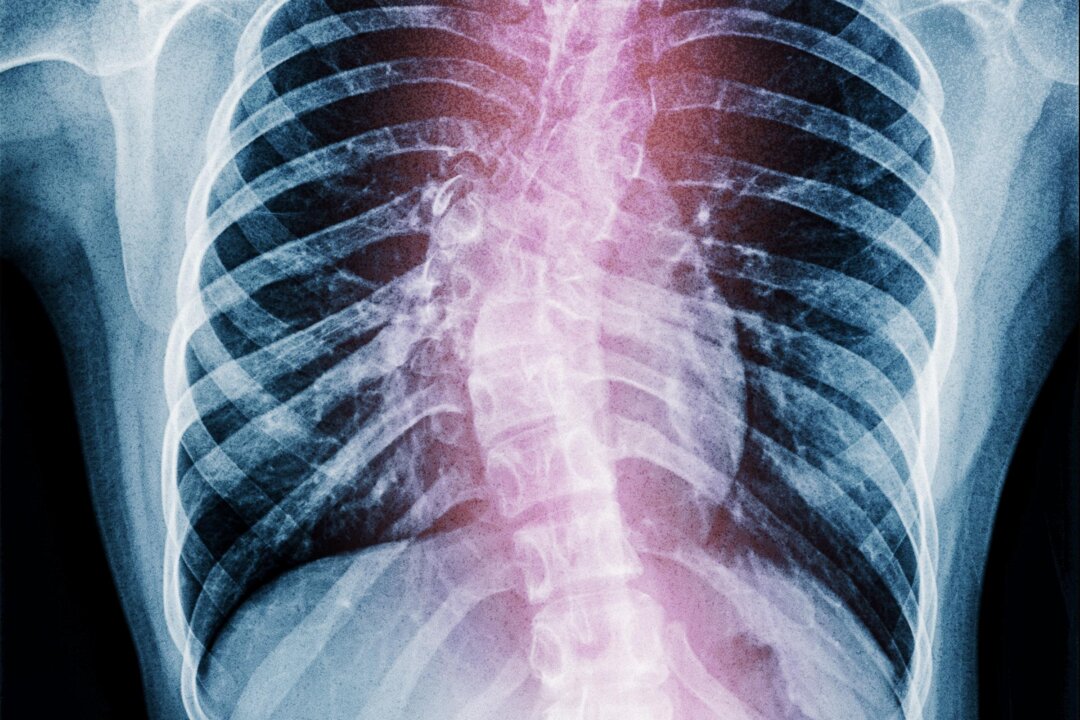
Early signs of scoliosis, such as unexplained lower back pain, uneven shoulders, and an unsteady gait, may indicate a serious underlying issue with spine alignment. According to experts, these symptoms can often progress unnoticed, potentially leading to difficulties in breathing or compromised nerve function. Recognizing these early signs is crucial for effective intervention.
Dr. Xie Bingxian, an attending neurosurgeon at National Yang Ming Chiao Tung University Hospital, highlighted the common tendency to overlook subtle symptoms. “Many people don’t notice anything is wrong until their condition becomes severe,” he stated in an interview with The Epoch Times. This lack of awareness can result in delayed diagnosis and treatment, making it vital for individuals to pay attention to their bodies.
Scoliosis, a condition characterized by an abnormal curvature of the spine, is more prevalent than many realize. Research indicates that early detection can lead to significant improvements. When scoliosis is identified in its early stages, it is often possible to stabilize or even correct the condition using various treatment approaches.
One such approach gaining attention is Traditional Chinese Medicine (TCM), which focuses on muscle health and overall wellness. TCM practitioners use techniques such as acupuncture and herbal remedies to support spinal alignment and alleviate associated symptoms. Many patients report positive outcomes from these gentle methods, finding them surprisingly effective in managing their condition.
Early diagnosis is key to preventing the progression of scoliosis. Individuals experiencing symptoms such as back pain or postural irregularities are encouraged to seek medical evaluation. A thorough assessment by a healthcare professional can determine the presence and severity of scoliosis, facilitating timely intervention.
Innovative treatment options, including physical therapy and bracing, are also available for those diagnosed with scoliosis. Physical therapy focuses on strengthening the muscles around the spine, while bracing aims to prevent further curvature. These methods can be particularly beneficial for adolescents, whose spines are still developing.
In addition to medical interventions, lifestyle changes can play a significant role in managing scoliosis. Regular exercise, maintaining a healthy weight, and practicing good posture can all contribute to spinal health. Patients are advised to consult with healthcare providers to develop a comprehensive management plan tailored to their specific needs.
In conclusion, recognizing the early signs of scoliosis is essential for effective treatment. By being aware of symptoms and seeking prompt medical advice, individuals can take proactive steps to address their spinal health. As awareness of scoliosis grows, so does the potential for improved outcomes through early intervention and a range of treatment options.