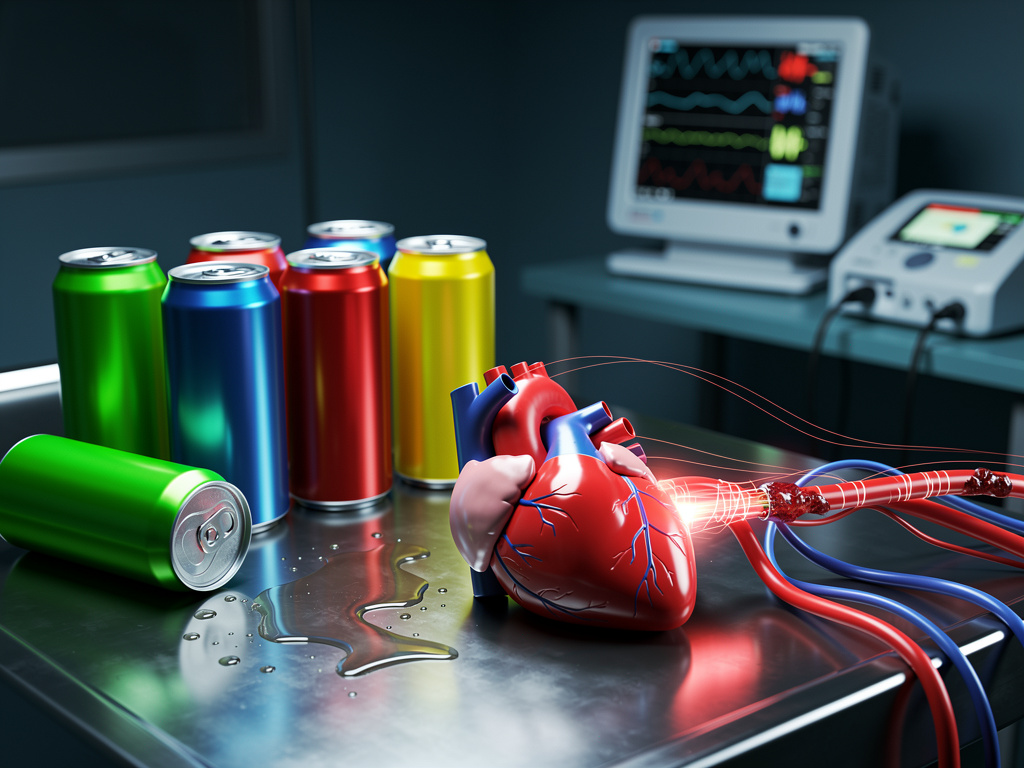
A recent case study highlights the serious health risks associated with excessive energy drink consumption, particularly for individuals with no prior health issues. A fit 50-year-old warehouse worker in the United States suffered a minor stroke after consuming eight energy drinks daily, leading to alarming blood pressure levels. This incident, documented in a report published in BMJ Case Reports, raises significant concerns among healthcare professionals regarding the cardiovascular effects of these popular beverages.
The patient arrived at the emergency room exhibiting classic stroke symptoms, including slurred speech and weakness on one side of his body. Upon examination, his blood pressure was recorded at a staggering 254/150 mmHg, well above the emergency threshold of 180/120 mmHg. The study identified his excessive intake of energy drinks—each containing approximately 160 mg of caffeine—as the only notable risk factor, totaling over 1,280 mg of caffeine daily, more than triple the recommended safe limit for adults.
Medical evaluations revealed that a small blood clot in the brain caused the stroke, resulting in permanent damage despite immediate treatment. Remarkably, the patient’s blood pressure returned to normal levels after he stopped consuming energy drinks, suggesting a direct correlation. This case emphasizes a growing body of evidence warning about the potential dangers of ingredients found in energy drinks, such as caffeine, taurine, and high sugar levels, which can disrupt heart rhythms and elevate blood pressure.
Ingredients and Health Risks
Caffeine acts as a stimulant on the central nervous system, enhancing alertness. However, in excessive amounts, it can constrict blood vessels and elevate blood pressure. The combination of caffeine with other ingredients like taurine, which influences cardiac muscle function, alongside high sugar content, creates a concerning mix that can lead to cardiovascular strain. In this case, prolonged exposure likely contributed to endothelial dysfunction, which impairs blood vessel dilation.
Previous research has pointed to these risks. A 2021 randomized controlled study noted that energy drink consumption could prolong QT intervals on electrocardiograms, potentially leading to fatal arrhythmias. On social media platforms, including X, medical professionals have shared anecdotes regarding heart palpitations and other cardiovascular issues related to energy drink consumption, although many of these accounts are based on observational data rather than rigorous clinical trials.
In coverage by The Guardian, experts warned that habitual energy drink consumption could significantly increase the overall risk of heart disease and stroke, even among seemingly healthy individuals. The article emphasizes the necessity for public awareness, particularly among shift workers and young adults who often rely on these drinks for sustained energy.
Broader Implications and Industry Responses
The implications of this case are not isolated. Similar incidents have been documented in various medical journals, highlighting the potential for irreversible harm from energy drink overconsumption. Reports from CNN and UPI.com illustrate how the stroke resulted in permanent neurological deficits, despite the patient’s previously good health. Both outlets underline the importance of recognizing the risks associated with these products marketed as performance enhancers.
The energy drink industry has seen explosive growth, with global sales exceeding $50 billion annually. Yet, regulatory measures remain inadequate in many regions. In the United States, energy drinks are classified as dietary supplements, which means they do not undergo the same scrutiny as other beverages. This classification allows manufacturers to include high levels of caffeine without mandatory warnings regarding potential cardiovascular risks.
Experts have called for better labeling and education surrounding energy drinks. Some European countries have already instituted warnings for high-caffeine products, but adherence varies. While some companies are working towards healthier formulations, the caffeine content often remains high.
Consumer sentiment is shifting as discussions about energy drink risks gain traction on social media. Users, including healthcare professionals, recount personal experiences and caution against over-reliance on these beverages. The case of the warehouse worker has amplified awareness, prompting a broader conversation about the balance between immediate energy needs and long-term health consequences.
The patient’s recovery involved significant lifestyle changes, such as increased hydration and regular exercise, which helped mitigate some residual effects. Medical professionals suggest that those who consume energy drinks should monitor their blood pressure regularly and restrict their intake to one can per day at most.
As ongoing studies continue to evaluate the public health impact of energy drink consumption, this case serves as a critical reminder of the potential dangers associated with these products. The need for more comprehensive research, alongside public education, is essential to ensure consumers make informed choices about their health in a fast-paced world where energy demands are high.