As the festive season approaches, many people find themselves sacrificing sleep for social engagements and busy schedules. This has led to a growing interest in the concept of sleep banking, a method some believe can help mitigate the effects of sleep deprivation. Experts, including Dr. Maria Knöbel, Medical Director and Co-Founder of Medical Cert UK, and Dr. Lamees Hamdan, an integrative medical doctor and longevity expert, weigh in on whether this strategy is effective.
Understanding Sleep Banking
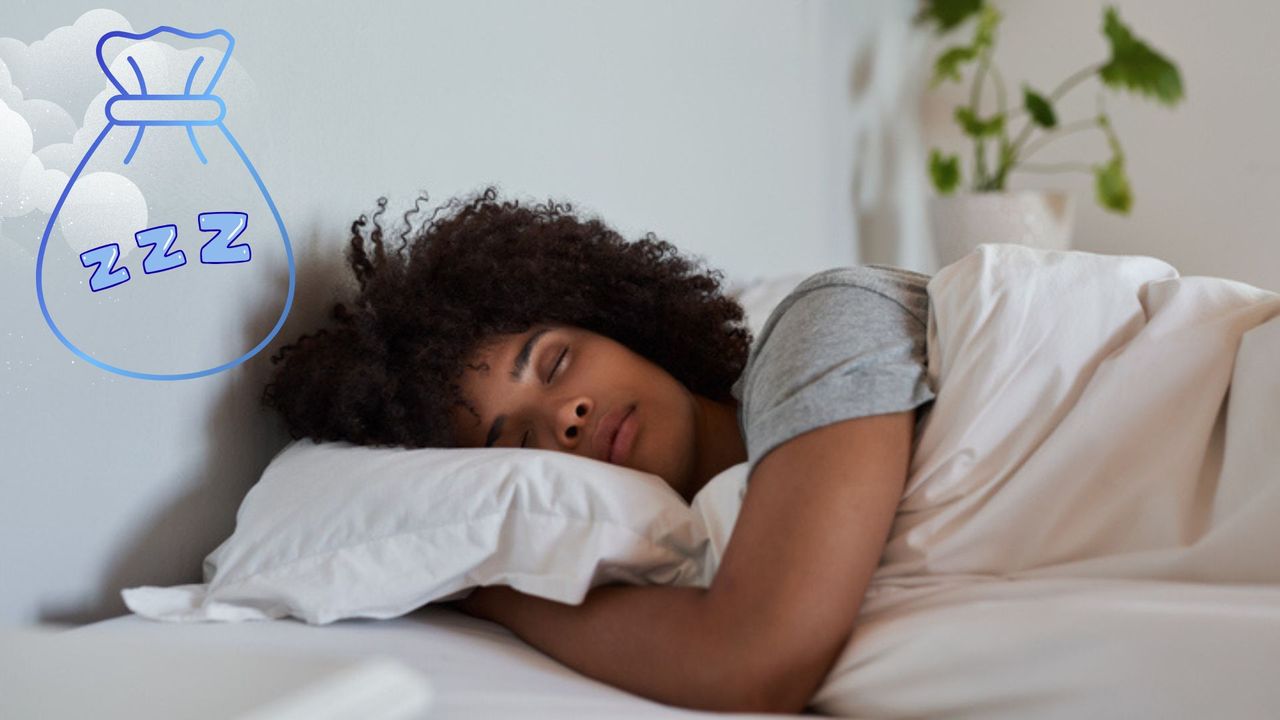
Sleep banking essentially involves accumulating extra sleep in advance of a period when sleep may be limited. This could be due to social plans, travel, or work commitments that disrupt regular sleep patterns. By extending sleep duration in the days leading up to these events or incorporating daytime naps, individuals aim to create a buffer against the negative impacts of sleep loss.
Dr. Hamdan explains, “Think of it as proactively filling your internal energy well so you are more resilient to stress, travel, late nights, or hormonal fluctuations.” Both experts highlight that while sleep banking can help during busy periods, it should not replace the pursuit of consistent, quality sleep.
Research indicates that maintaining a regular sleep routine is crucial. The traditional recommendation of eight hours of sleep each night is less effective if not paired with consistency. Dr. Knöbel notes, “Sleep consistency—going to sleep and waking up at the same time—is more important than sleep duration for quality rest.”
Benefits of Sleep Banking
Despite the caveats, sleep banking can offer several benefits, especially during hectic weeks. Here are the primary advantages identified by the experts:
1. **Improved Alertness**: A well-rested body functions more effectively. Dr. Knöbel compares sleep to fuel in a tank, stating, “The fuller it is, the longer it will run.” Accumulating sleep can help mitigate drowsiness and enhance cognitive function during periods of sleep deprivation.
2. **Enhanced Mood**: Lack of sleep can negatively affect emotional regulation, heightening feelings of irritability and stress. Dr. Hamdan points out that sleep banking can help reduce early signs of sleep deprivation, potentially stabilizing mood through the holiday season.
3. **Faster Recovery**: Sleep plays a vital role in physical and cognitive recovery. During deep sleep, the body releases growth hormones for muscle repair, while REM sleep aids in memory consolidation. Dr. Knöbel emphasizes that “your immune system is stronger” when you implement sleep banking, making it particularly beneficial during cold and flu season.
Implementing Sleep Banking
If you wish to experiment with sleep banking, Dr. Knöbel recommends adding between 45 and 75 minutes of sleep on four nights leading up to when sleep will be limited. She advises that this approach strikes a balance between defensive measures and maintaining a regular sleep rhythm.
Quality matters as much as quantity. Create an optimal sleep environment by keeping the bedroom cool—around 17 degrees Celsius (62 degrees Fahrenheit)—and eliminating light distractions. Ultimately, while sleep banking can help navigate short-term sleep challenges, experts stress the importance of prioritizing at least seven hours of quality sleep on a regular basis.
In summary, sleep banking can serve as a temporary strategy to counteract the effects of limited sleep during busy periods, but it is not a substitute for the long-term benefits of consistent, quality rest.