Research indicates that popular sleep positions can pose health risks beyond merely causing back discomfort. Experts suggest that your preferred sleeping posture may lead to issues such as pain, acid reflux, snoring, and even nerve compression, with potential symptoms showing up the following day.
Todd Anderson, co-founder of Dream Performance & Recovery and host of the “Beat the Heat” podcast, emphasizes the importance of comfort in sleep positions. “What we care about is if someone is comfortable in their sleep position,” he stated. Yet, the reality is that many individuals unknowingly adopt positions that can lead to discomfort or pain.
Understanding the Impact of Sleep Positions
Sleeping in awkward positions can exert undue stress on nerves, muscles, and ligaments. According to clinical psychologist and behavioral sleep specialist Shelby Harris, individuals often sleep in certain ways due to comfort rather than psychological factors. “Someone’s sleep position means really nothing about their psychological state or tension or stress or trauma,” Harris explained.
Research highlights that sleeping with bent joints or tucked limbs can compress nerves and restrict blood circulation. A recent review from 2023 on cubital tunnel syndrome—a condition characterized by numbness and shooting pain in the forearm—warns that sleeping with a sharply bent elbow can increase pressure on the nerve, exacerbating symptoms.
Optimal Sleep Positions
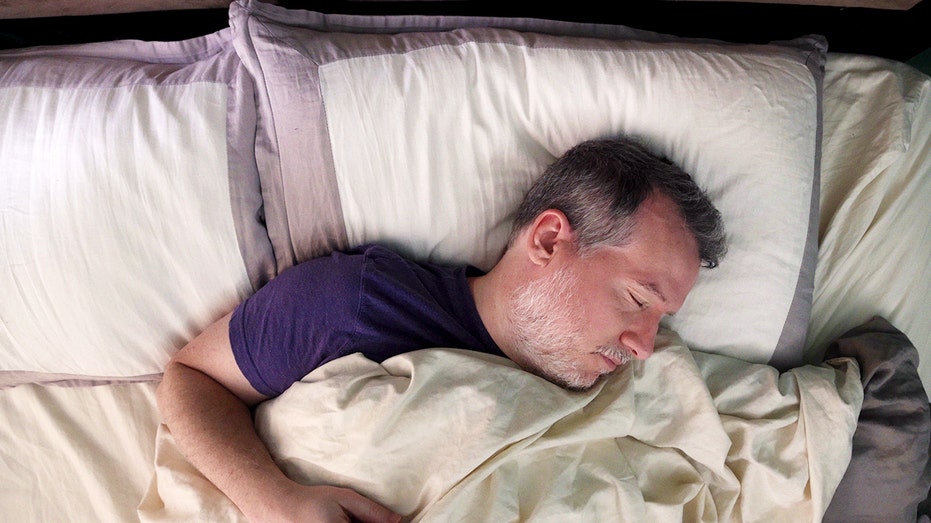
While back sleeping may seem ideal for keeping limbs untucked, it can contribute to snoring and acid reflux. The Sleep Foundation notes that this position, while beneficial for some, carries its own set of risks. Conversely, side sleeping is often recommended by experts as it exerts less pressure on the body.
The Sleep Foundation elaborates on the implications of stomach sleeping, highlighting that this position can misalign the spine and lead to discomfort in the back, neck, and shoulders due to the need to twist the head to breathe. Despite being the least common position, stomach sleeping has been linked to a reduction in snoring.
According to Harvard Health, side sleeping is the most prevalent position and can provide numerous benefits for many individuals. Clinical psychologists like Harris emphasize that comfort should be a priority when establishing a nighttime routine.
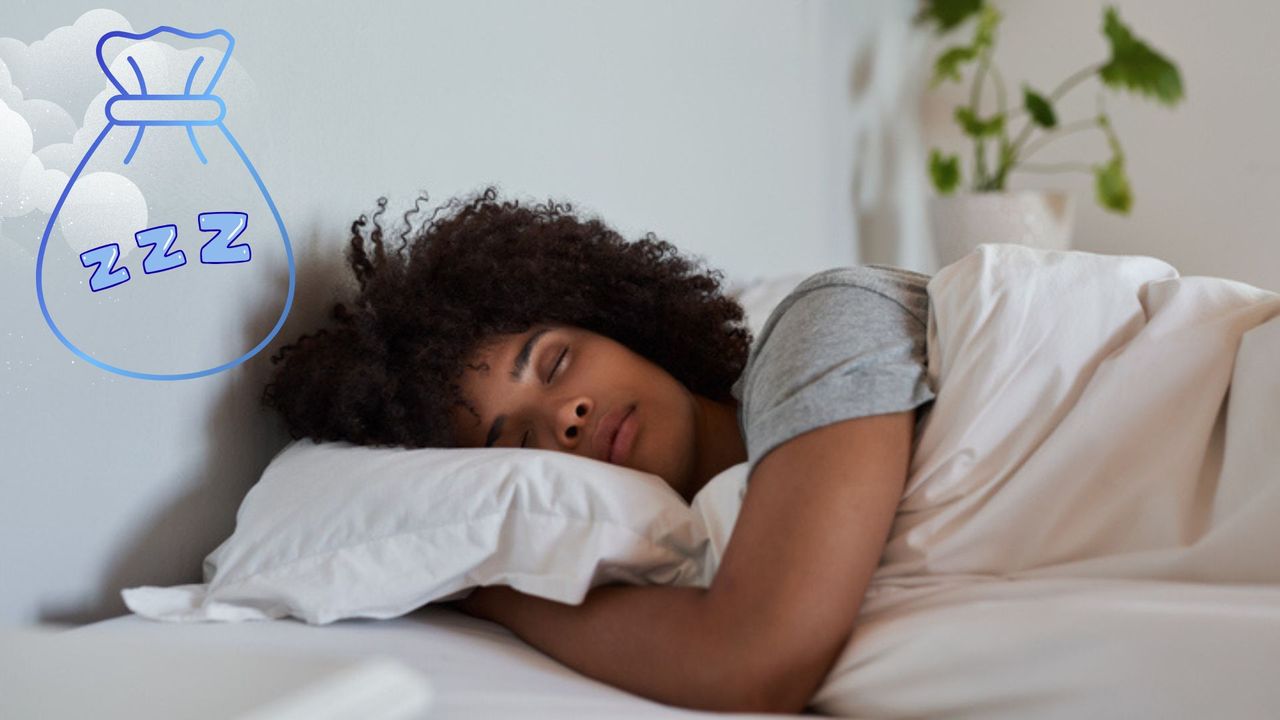
Medical guidance from the Mayo Clinic suggests that side sleeping with slightly bent knees and a pillow between the legs can help align the spine, pelvis, and hips, alleviating pressure on the back. Johns Hopkins Medicine further underscores the importance of sleep position, particularly as individuals age or encounter health issues.
Transitioning to Healthier Sleep Practices
Several medical centers recommend a gradual transition to side or back sleeping. For those struggling to forgo stomach sleeping immediately, using thinner pillows or none at all can help limit neck twisting and lumbar arch.
If you find it challenging to sleep comfortably, regardless of position, or if your sleep quality feels unrefreshing, Harris advises consulting a sleep specialist for personalized guidance.
As understanding of sleep health evolves, it becomes increasingly clear that the positions we take during rest can significantly impact our overall well-being. By prioritizing comfort and adopting healthier sleep practices, individuals may find themselves waking up revitalized and free from discomfort.