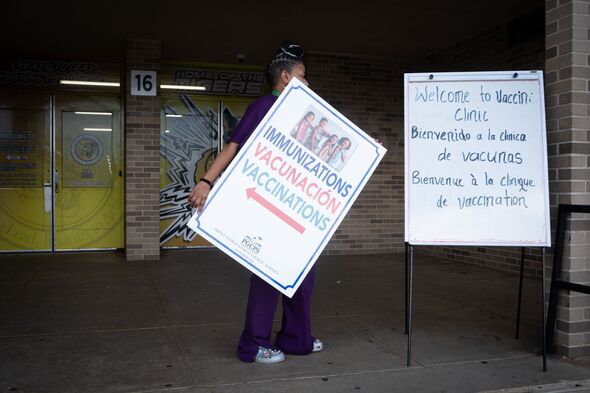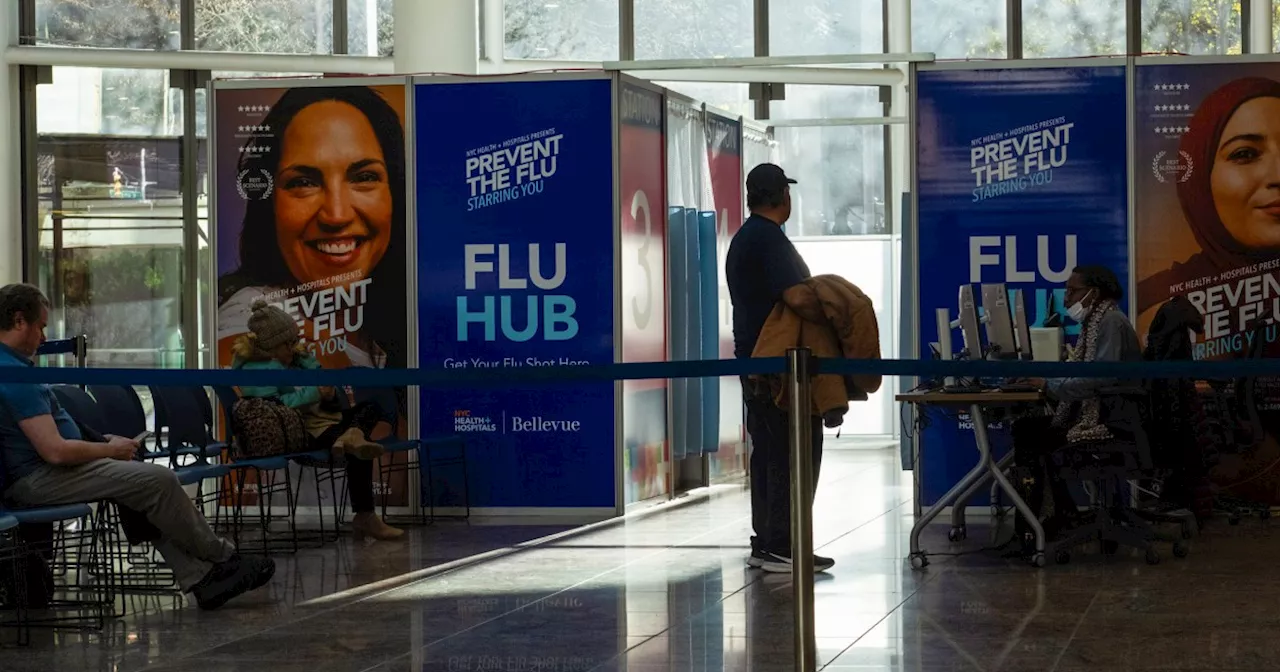
Flu cases are rapidly increasing across the United States, resulting in a significant rise in hospitalizations. According to the Centers for Disease Control and Prevention (CDC), hospitalizations nearly doubled in just one week, with 19,053 reported cases as of December 20, 2023, up from 9,944 the previous week. The flu season, which began in October, has already affected at least 7.5 million people, with approximately 3,100 fatalities reported, including five pediatric deaths.
As of late December, 32 states are experiencing “high” or “very high” levels of flu activity, a sharp increase from 17 states the week prior. States like California, Nevada, Missouri, and Florida have newly reported significant flu levels. In regions already classified under “very high,” such as New York and New Jersey, health officials are bracing for further challenges.
Dr. Daniel Kuritzkes, a senior infectious disease physician at Mass General Brigham in Boston, emphasized the concerning trend: “Just looking at the trajectory of the curve, it’s really a pretty sharp increase that we’re seeing, and it’s not anywhere close to peaking or leveling off.”
Impact on Vulnerable Populations and Healthcare Systems
Children, particularly infants and those under the age of four, are among the most affected demographics this flu season. Dr. Lauren Siewny, medical director at Duke University Hospital Emergency Department in North Carolina, has noted an influx of school-aged children and young adults presenting flu symptoms. Older adults and individuals with chronic health conditions are also at a higher risk of hospitalization.
The healthcare system is feeling the strain, as cases of flu coincide with COVID-19 and respiratory syncytial virus (RSV) cases. Dr. Jennifer Goebel from South Shore University Hospital in New York reported a surge in flu cases since Thanksgiving. “I don’t remember seeing flu cases this early and in this many numbers,” she stated, highlighting the overwhelming volume of patients.
Dr. Donald Yealy, chief medical officer of the UPMC health system in Pennsylvania, noted a “dramatic uptick” in acute respiratory infections, with influenza cases making up the majority. He added that unvaccinated individuals are particularly susceptible to severe illness.
Characteristics of the Current Flu Strain
The predominant strain this season is Influenza A, specifically a mutated H3N2 strain known as “subclade K.” This strain has been associated with a higher severity of illness, contributing to the early onset of the flu season. The World Health Organization’s Dr. Wenqing Zhang has indicated that while this strain exhibits notable genetic changes, current data do not suggest an increase in overall disease severity.
Symptoms for the current flu variant are consistent with previous seasons, including high fever, chills, cough, and muscle aches. Dr. Molly Fleece, an associate professor in infectious diseases at the University of Alabama at Birmingham, noted that patients often experience more severe symptoms if they are unvaccinated. Complications such as pneumonia and muscle breakdown have been reported, especially among older adults and those with underlying health issues.
Despite the rapid spread of the mutated strain, health professionals assert that it is not too late for vaccinations. The current flu vaccine includes components targeting H3N2, although it may not perfectly match the mutated strain. Dr. Fleece reassured the public that historical data indicates the vaccine remains effective in preventing severe illness and hospitalization.
As healthcare providers continue to manage the growing number of flu cases, they are also monitoring the coinciding rise in COVID-19 and norovirus infections. According to data from WastewaterScan, a partnership between Stanford University and Emory University, COVID-19 levels are increasing in several regions, particularly the South and Northeast.
In summary, the ongoing flu season poses significant challenges for healthcare systems and vulnerable populations alike. With the potential for overlapping viral infections, vigilance and preventive measures remain crucial. Health officials continue to encourage vaccinations and prompt medical attention for severe symptoms.