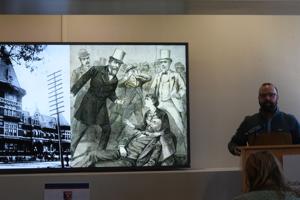
The National Museum of Civil War Medicine in Frederick, Maryland, recently showcased its dedication to the medical advancements of the Civil War era while highlighting the tragic story of President James Garfield. Garfield, who was shot on July 2, 1881, succumbed to his injuries on September 19 of the same year. His death underscored the limitations and challenges faced by medical practitioners during that period.
Visitors to the museum can explore how the conflict spurred innovations in medical practices. With exhibits detailing surgical techniques and the development of battlefield medicine, the museum illustrates the evolution of healthcare that emerged from the trauma of war. These advancements have had lasting impacts on modern medical practices, demonstrating how necessity often drives innovation.
One significant aspect of Garfield’s case was the medical response he received after being shot. Initially treated by several doctors, the President’s care was marred by a lack of understanding regarding infection and surgical procedures. The museum provides insights into how these early medical practices contributed to Garfield’s ultimate demise, as he developed infections that could have been mitigated with contemporary techniques.
The museum’s staff actively engages visitors by sharing stories of individual soldiers and medical personnel who played crucial roles during the Civil War. By recounting these narratives, they illustrate the human aspect of medicine in wartime and how it shaped the treatment protocols that exist today.
In addition to Garfield’s story, the museum features a variety of artifacts, including surgical instruments and medical texts from the era. These items serve as tangible reminders of the severe conditions faced by doctors and nurses who operated in makeshift hospitals and on battlefields. The stories behind these artifacts not only educate visitors but also evoke a deeper understanding of the sacrifices made in the name of healthcare.
The National Museum of Civil War Medicine stands as a vital institution for those interested in the intersection of history and medicine. By examining the past, it fosters a greater appreciation for the advancements made in medical science and the ongoing journey toward improving healthcare. As the museum continues to share these important narratives, it emphasizes the significance of learning from history to better understand contemporary medical challenges.
Garfield’s story, along with countless others from the Civil War, exemplifies the profound impact of conflict on medical practices. The museum serves as a reminder that while the past is fraught with challenges, it has also paved the way for progress in the medical field. Through its exhibits and educational programs, the National Museum of Civil War Medicine invites all to reflect on this critical intersection of history and healthcare.