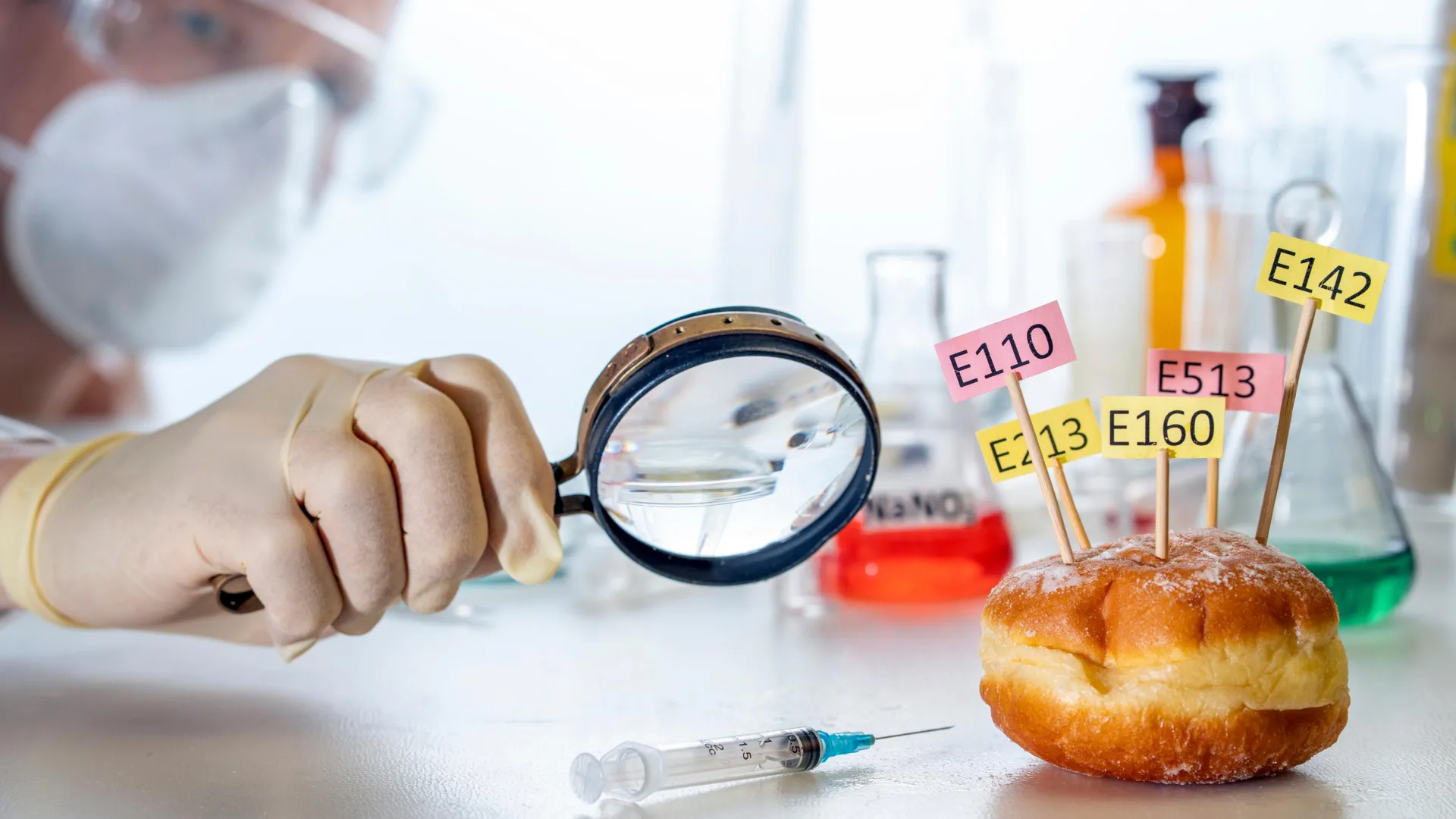
A significant study from France has revealed that higher consumption of certain food preservatives may be associated with an increased risk of cancer. Published on January 27, 2026, by the BMJ Group, the research tracked over 105,260 participants over a decade, highlighting the potential health risks linked to preservatives commonly found in processed foods and beverages.
The study’s findings indicate that while many preservatives showed no correlation with cancer incidence, several widely used additives—including potassium sorbate, sodium nitrite, and potassium nitrate—were linked to elevated risks for specific cancers, including breast and prostate cancer. The researchers emphasize the need for further studies to fully understand this relationship.
Understanding Food Preservatives
Food preservatives are integral to the food industry, preventing spoilage and extending shelf life. Previous laboratory studies have shown that some preservatives can damage cells and DNA. However, real-world evidence directly linking these additives to cancer risk has been scarce. This French study aims to bridge that gap by analyzing long-term dietary and health data collected between 2009 and 2023.
The researchers assessed data from participants who were all cancer-free at the start and regularly completed detailed dietary records. Cancer diagnoses were tracked through health questionnaires and official medical records until December 31, 2023.
Key Findings from the Study
The analysis focused on 17 individual preservatives, including citric acid, lecithins, and sodium erythorbate. Out of these, 4,226 participants were diagnosed with cancer, encompassing 1,208 breast cancers and 508 prostate cancers. Interestingly, when examining all preservatives combined, researchers found no overall link with cancer risk. Notably, 11 of the 17 preservatives studied individually showed no association with cancer incidence.
However, a higher intake of certain preservatives was linked to increased cancer risk. For instance, potassium sorbate was associated with a 14% higher risk of overall cancer and a 26% higher risk of breast cancer. Other notable findings included a 32% increased risk of prostate cancer linked to sodium nitrite and a 12% increase in overall cancer risk associated with acetic acid.
The authors of the study note that these preservatives may influence immune function and inflammation, potentially contributing to cancer development. Although this observational study cannot definitively establish causation, the large sample size and comprehensive data collection lend weight to the findings.
The researchers conclude that the results highlight the need for a re-evaluation of food additive safety by health agencies, balancing the benefits of food preservation with potential health risks.
Implications for Consumers and Regulatory Bodies
The findings prompt a call for food manufacturers to reconsider the use of unnecessary preservatives. The researchers encourage consumers to opt for freshly prepared, minimally processed foods to mitigate potential health risks.
In a related editorial, US researchers acknowledged the benefits of preservatives, such as increased shelf life and lower food costs, particularly for lower-income populations. However, they caution that the widespread use of these additives, often poorly monitored, necessitates a more robust regulatory approach.
They propose actions such as stricter limits on preservative use, clearer labeling, and mandatory disclosure of additive content. There is a growing consensus that regulatory bodies should revisit existing policies, particularly in light of findings from the NutriNet-Santé study.
As the evidence regarding the carcinogenic effects of food preservatives evolves, public health guidance is becoming increasingly definitive, particularly concerning the reduction of processed meat and alcohol intake. The research emphasizes the importance of ongoing scrutiny and regulatory measures to protect consumer health.