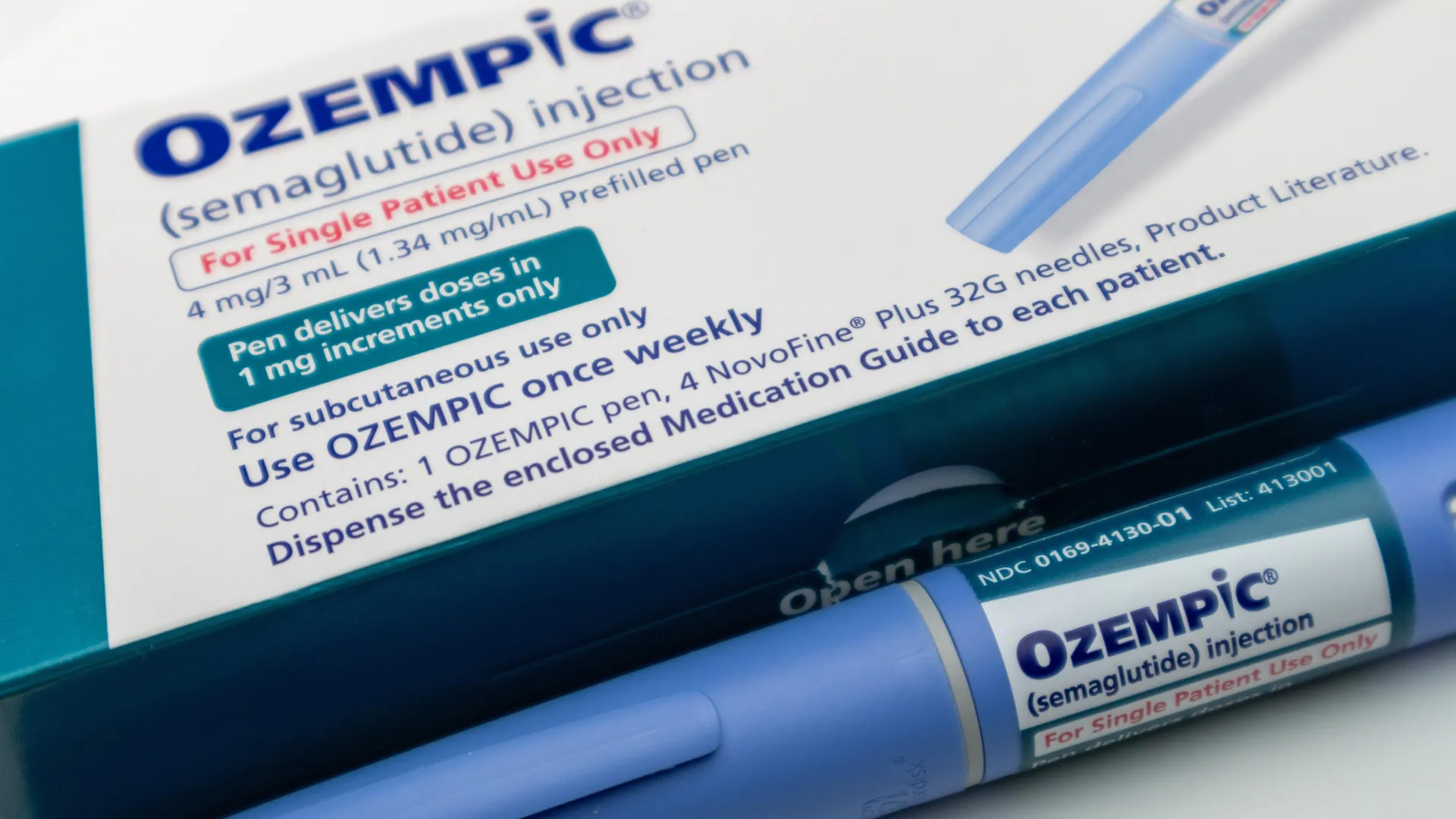
Weight-loss medications such as Ozempic and Wegovy are having a significant impact on how American households manage their food expenses. A recent study from Cornell University revealed that, within six months of beginning treatment with these appetite-suppressing drugs, households reduced their grocery spending by an average of 5.3%. The decrease in food expenditures extends to fast-food outlets, where spending dropped by approximately 8%.
The study, published in the Journal of Marketing Research, combined survey data regarding the use of GLP-1 receptor agonists with detailed purchasing records from thousands of households across the United States. These medications, originally developed for diabetes management, have gained popularity for weight loss. By correlating reported usage with actual purchase data, the researchers provided a clear view of how these drugs influence everyday food buying habits.
Significant Shifts in Grocery and Restaurant Spending
The findings indicate a consistent trend: households that adopted GLP-1 medications not only cut back on grocery spending but also continued to do so over the following year. For higher-income households, the grocery spending reduction exceeded 8%. Additionally, patronage of limited-service restaurants, including fast-food chains and coffee shops, decreased notably.
Sylvia Hristakeva, an assistant professor of marketing, emphasized the clear connection between medication use and food spending changes. “The data show clear changes in food spending following adoption,” she stated. “After discontinuation, the effects become smaller and harder to distinguish from pre-adoption spending patterns.”
Detailed Analysis of Food Purchasing Trends
This research utilized actual transaction data from Numerator, a market research firm that monitors grocery and restaurant purchases within a nationally representative sample of about 150,000 households. This methodology provided a more accurate picture compared to previous studies reliant on self-reported data.
The results revealed varying impacts across food categories. There was a pronounced decline in spending on ultra-processed and high-calorie foods, which are often linked to cravings. Purchases of savory snacks dropped by approximately 10%, with similar reductions noted for sweets, baked goods, and cookies. Basic food items like bread, meat, and eggs also saw decreased purchases. Conversely, only a few categories experienced growth, with yogurt showing the most significant increase, followed by fresh fruit and nutrition bars.
“The main pattern is a reduction in overall food purchases,” Hristakeva explained. “Only a small number of categories show increases, and those increases are modest relative to the overall decline.”
The implications of this trend extend beyond individual households. Should the use of GLP-1 medications continue to rise, food manufacturers, restaurants, and retailers may need to adjust their strategies in response to shifting consumer preferences, particularly regarding snack foods and fast food. This could necessitate changes in product sizes, formulations, and marketing approaches.
Moreover, these findings contribute to broader discussions among policymakers and public health experts regarding the influence of medical treatments on eating behavior. The results challenge the effectiveness of traditional dietary interventions, such as food taxes and nutrition labels, suggesting that biological factors may play a crucial role in shaping dietary habits.
As the landscape of food spending evolves, the long-term effects of weight-loss medications like Ozempic and Wegovy could lead to significant changes in how Americans approach their diets and food choices.