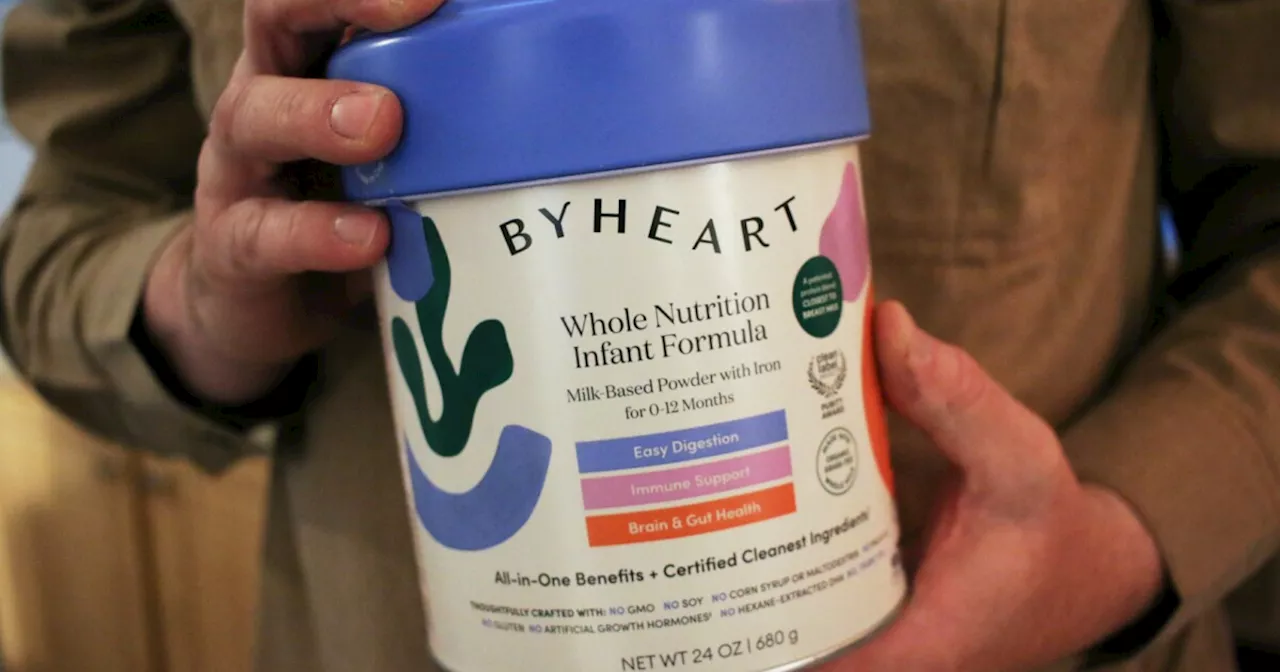
The recent outbreak of infant botulism associated with ByHeart baby formula has expanded significantly, now encompassing all illnesses reported since the company began production in March 2022. The U.S. Food and Drug Administration (FDA) announced that investigators “cannot rule out the possibility that contamination might have affected all ByHeart formula products” ever manufactured. As of the latest reports, at least 51 infants across 19 states have been affected, prompting serious health concerns.
The outbreak’s updated definition includes “any infant with botulism who was exposed to ByHeart formula at any time since the product’s release,” according to the U.S. Centers for Disease Control and Prevention (CDC). The most recent case was recorded on December 1, 2023. Initially, health officials identified 39 suspected or confirmed cases in 18 states since August, following reports from California’s Infant Botulism Treatment and Prevention Program indicating an uptick in hospital treatments for infants who consumed the formula.
In response to the outbreak, ByHeart, a New York-based manufacturer of organic infant formula founded in 2016, recalled all its products sold in the U.S. on November 11, 2023. The company, which holds approximately 1% of the U.S. infant formula market, had been distributing around 200,000 cans per month. The expanded case definition now includes an additional 12 cases, with two occurring in the original timeline and ten reported between December 2023 and July 2025.
Health concerns have been amplified by the distressing news that ByHeart products may have been contaminated for an extended period. Andi Galindo, whose five-week-old daughter, Rowan, was hospitalized with infant botulism after consuming the formula, expressed her alarm. Galindo had chosen ByHeart formula to supplement her breast milk supply based on recommendations from a lactation consultant. “If there is proof that there were issues with their manufacturing and their plant all the way back from the beginning, that is a problem and they really need to be held accountable,” she said.
Another mother, Amy Mazziotti, reported that her then-five-month-old son, Hank, fell ill and required treatment for botulism in March, shortly after starting ByHeart. She stated, “Being included in the investigation of the outbreak feels like a win for all of us.” Mazziotti has long believed that ByHeart was responsible for her son’s illness and expressed relief that the investigation is now acknowledging these cases.
In a statement released on the same day, ByHeart officials confirmed their cooperation with federal authorities “to understand the full scope of related cases.” They noted that the new cases reported by the CDC and FDA would assist in identifying the root cause of the contamination.
The FDA has dispatched inspectors to ByHeart’s production facilities in Allerton, Iowa, and Portland, Oregon. However, results from these inspections have yet to be disclosed. Previously, ByHeart reported that testing by an independent laboratory revealed that 36 samples from three different lots contained the bacteria responsible for infant botulism. The company emphasized on its website that it “cannot rule out the risk that all ByHeart formula across all product lots may have been contaminated.”
Dr. Jennifer Cope, a CDC scientist leading the investigation, explained that the contamination appeared to persist across all production runs, indicating a more systemic issue rather than isolated incidents. “They couldn’t isolate it to specific lots from a certain time period,” she stated.
Infant botulism, a rare but serious condition affecting fewer than 200 infants annually in the U.S., occurs when infants ingest spores of botulism bacteria, which then germinate in their intestines. The toxin produced affects the nervous system, and infants are particularly vulnerable until around age one due to their immature gut microbiomes. Symptoms can take up to 30 days to develop and may include constipation, poor feeding, and a characteristic “floppy” appearance.
The sole treatment for infant botulism is a medication known as BabyBIG, which is derived from the pooled blood plasma of adults immunized against botulism. As the only source of this treatment worldwide, California’s infant botulism program developed the product. Dr. Sharon Nachman, an expert in pediatric infectious disease, cautioned that the risk to infants continues after using the recalled formula.
In light of the health crisis, several families affected by botulism after feeding their infants ByHeart formula have initiated legal actions against the company. Lawsuits filed in federal courts allege that the formula was defective and that ByHeart acted negligently in its sale. The claims seek compensation for medical expenses, emotional distress, and related damages.
As investigations proceed, the emphasis remains on ensuring the safety of infant formula and accountability for manufacturers. With the health of vulnerable infants at stake, the situation has drawn significant attention from federal health officials and the public alike.