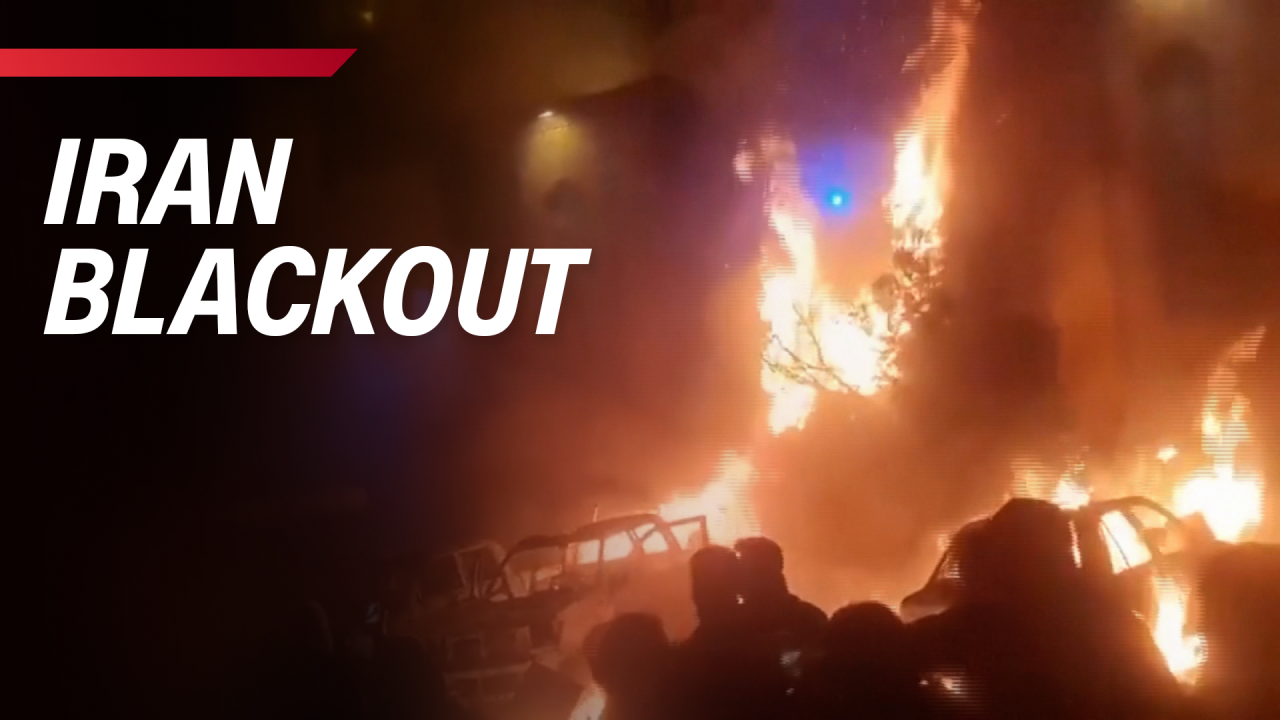
Protests across Iran have entered their second day under a government-imposed internet blackout, as demonstrators call for a nationwide strike. On December 28, 2023, unrest erupted due to rising inflation and dissatisfaction with the conservative government. In response, authorities have restricted internet and telephone services, complicating communication for many Iranians.
In a video message posted on X, Reza Pahlavi, the son of Iran’s last shah, urged citizens to participate in a two-day strike starting Saturday. This call to action targets key sectors of the economy, including transportation, oil and gas, and energy. Pahlavi’s address, delivered during the ongoing blackout, encouraged protesters to reclaim public spaces and emphasized the importance of demonstrating in city centers.
Pahlavi’s popularity within Iran remains uncertain. He was only 16 when the 1979 Islamic Revolution ended his father’s 40-year reign. As the eldest son of Shah Mohammad Reza Pahlavi, he carries the legacy of a once-powerful monarchy over an oil-rich nation.
According to NetBlocks, a digital rights organization, the internet blackout has lasted more than 36 hours, severely impacting the ability of Iranians to check on the safety of family and friends. The organization reported that, as of 11:30 PM ET on Saturday, connectivity remains heavily restricted.
As protests continue, the Iranian government faces increasing pressure from its citizens. Demonstrators have taken to the streets, voicing their frustrations and calling for change. The situation remains fluid, with the potential for further escalation as demands for reform grow louder.