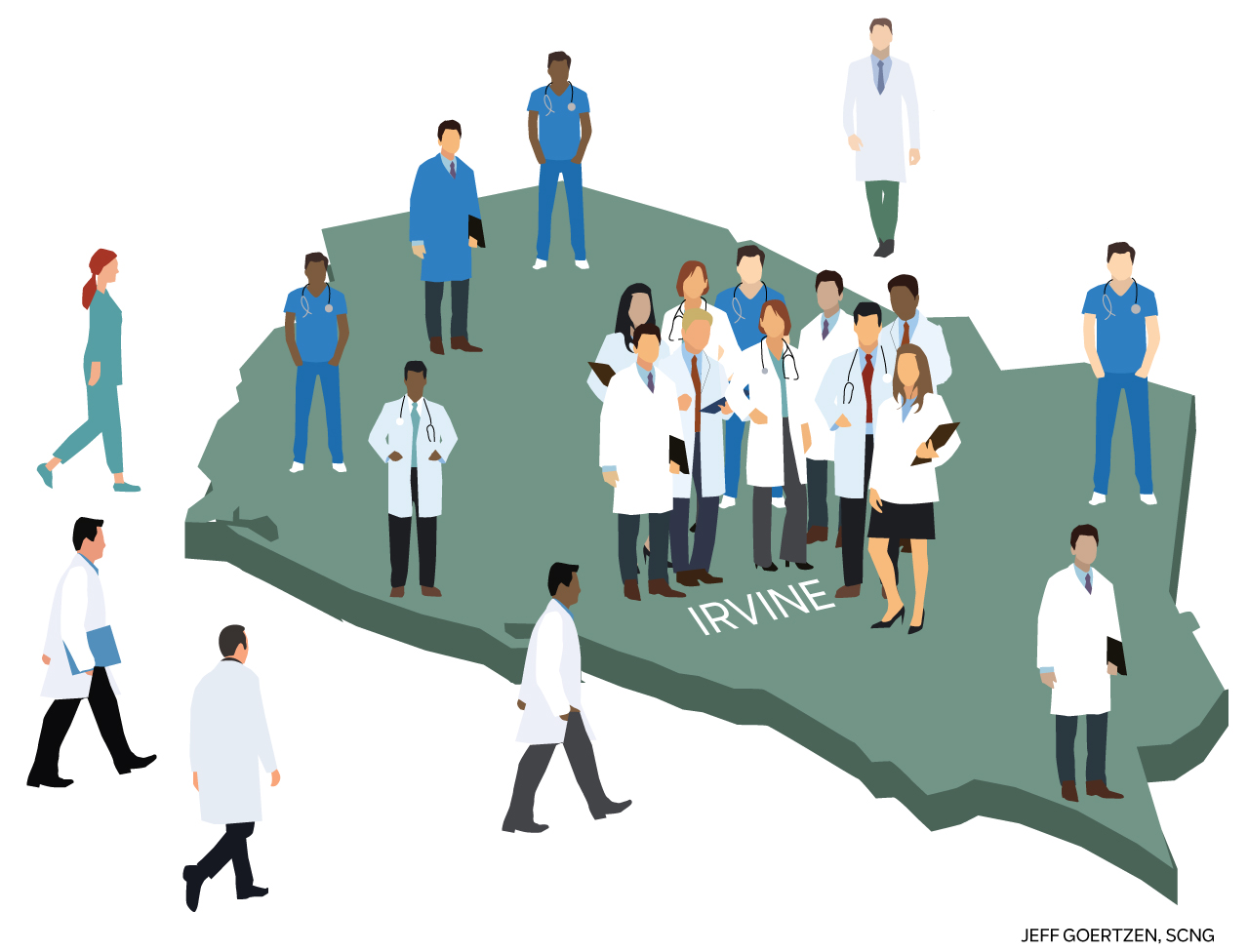
The city of Irvine is witnessing a significant expansion in its health-care infrastructure with the upcoming openings of new hospitals by City of Hope and UCI Health. This development is set to double the city’s hospital bed capacity, introduce thousands of jobs, and solidify Irvine’s status as a major hub for medical innovation.
The journey toward this health-care boom has deep roots. Mayor Larry Agran, who moved to Irvine in 1975 to support his wife’s admission to the UC Irvine School of Medicine, has been a key figure in the city’s growth. Agran recalls his time on the city council during the opening of the first hospital, Irvine Medical Center, in 1988, and its acquisition by Hoag in 2010. He also witnessed the launch of Kaiser Permanente’s complex, valued at $370 million, in 2008.
The latest developments mark a significant milestone for Irvine. Agran stated, “This is really the culmination of 20 or 30 years of vast planning and work initially by the major developers.” With billions of dollars being invested, the city is transitioning into a prominent biomedical and biotechnical center within the United States.
Groundwork for Growth
The new UCI Health hospital, which will open its doors to patients next week, represents a promise made at the university’s inception. UCI Health officials noted that creating a medical center on campus was part of the original vision, although initial funding challenges led to the purchase of the Orange County Hospital in 1976. Now, as UCI Health celebrates its 50th anniversary, it is fulfilling that vision with the opening of a 144-bed facility.
This new hospital will also be the nation’s first all-electric hospital, symbolizing a return to UCI’s roots. The collaboration between UCI and the city has fostered innovation in medical technology, according to Dave Coffaro, President and CEO of the Greater Irvine Chamber of Commerce. He highlighted the university’s influence on the city’s growth, stating, “There’s a lot of new innovation that comes out of UCI medical and the various schools.”
Impact on Employment and Community Health
The health-care landscape in Orange County is thriving, with nearly 200,000 people employed across approximately 17,500 establishments, according to the Orange County Business Council. This growth has been fueled by a demographic shift; the population of residents aged 65 and older rose from 11.7% to 16.4% between 2010 and 2022. This trend indicates an increasing demand for health-care services, prompting significant investments from major players like Hoag and City of Hope.
Hoag’s planned expansion, which includes a new campus opening in 2026, represents over $1 billion in investments. It will feature six new buildings and institutes dedicated to various health specialties, effectively doubling the hospital’s bed capacity.
City of Hope’s expansion into Irvine also responds to community needs. The establishment of a 72-acre medical campus near the Great Park was driven by a vision from Emile Haddad of FivePoint Communities, aimed at bringing specialized cancer treatment closer to residents. The investment from City of Hope has already exceeded $1.5 billion, starting with an outpatient treatment center in 2022 and culminating in the opening of a cancer specialty hospital on December 1, 2025.
As the city prepares for this influx of health-care facilities, City Manager Sean Crumby emphasized the importance of planning for the necessary infrastructure to support such growth. City Hall has actively worked with health-care providers to ensure that housing, transportation, and other essential services are in place to accommodate the expanding workforce.
Agran expressed optimism about the future, remarking, “Every once in a while, I just kind of shake my head in realization of what is actually happening before our very eyes right now.” As Irvine continues to evolve, the combination of innovative health care, demographic growth, and strategic planning positions the city as a vital player in the health-care landscape of the United States.