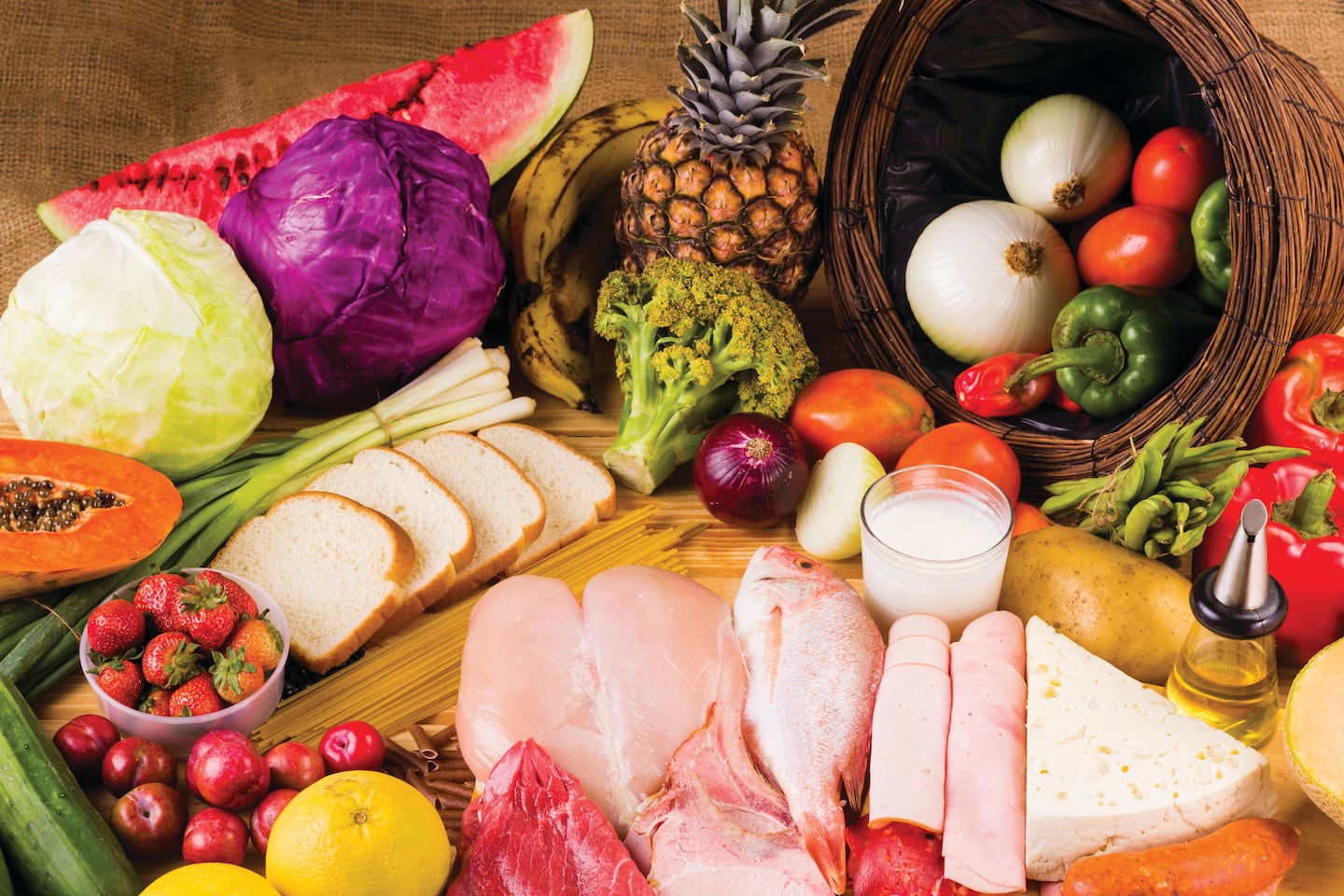
Health Secretary Robert F. Kennedy Jr. announced new dietary guidelines on March 15, 2024, aimed at improving public health. These guidelines emphasize a shift in focus from traditional food categories to promoting whole, minimally processed foods while urging consumers to limit added sugars, alcohol, and refined carbohydrates.
The revised food pyramid reflects a significant departure from previous models. Unlike earlier versions, which placed grains at the base, the new structure inverts the pyramid, prioritizing protein, dairy, healthy fats, fruits, and vegetables at the top. José Ordovas, a senior scientist at the Jean Mayer USDA Human Nutrition Research Center on Aging at Tufts University, commented that the new guidelines appear as if HHS “just took the pyramid, inverted it, and gave it a good shake.”
A noteworthy inclusion in the “healthy fat” category is beef tallow, a rendered fat similar to lard, alongside butter. The guidelines recommend full-fat dairy products, marking a shift from previous recommendations that advocated for low-fat or fat-free options. Nutrition expert Fang Fang Zhang praised this shift, highlighting the importance of fat quality over simply pursuing low-fat labels. She noted that low-fat dairy often contains added sugars or other additives, potentially compromising health benefits.
The guidelines also address alcohol consumption, moving away from specific daily limits—two drinks for men and one for women—to a broader recommendation to “consume less alcohol for better health.” This change aims to simplify messaging around alcohol intake, which has been linked to various health risks.
Experts have welcomed the emphasis on avoiding ultraprocessed foods, which account for over half of the calories consumed in the U.S. Zhang emphasized that these foods are closely associated with obesity and chronic diseases. She also highlighted the guidelines’ focus on carbohydrate quality, favoring whole grains over refined options, which lose essential nutrients during processing.
While the guidelines advocate for prioritizing protein foods at every meal, Zhang expressed concern about the types of protein being consumed. She pointed out that Americans are exceeding their protein intake, particularly from red and processed meats, which are linked to adverse health outcomes, including cancer.
The new guidelines also suggest cooking with healthy fats like olive oil, butter, and beef tallow. Although beef tallow is high in saturated fat, the Mayo Clinic notes its unique fat profile, particularly the presence of stearic acid, which may not raise cholesterol levels as other saturated fats do. Nevertheless, health officials acknowledge that further research is necessary to determine the healthiest types of fat.
Compared to the highly regarded Mediterranean diet, which focuses on minimally processed, plant-based foods, the new guidelines do not dismiss existing diets. Ordovas indicated that the aim is to encourage the integration of various real foods into daily consumption. This could lead individuals to seek more protein, scrutinize grocery labels for added sugars, and opt for home-cooked meals that prioritize nutrient density over empty calories.
The purpose of these guidelines extends beyond individual dietary choices; they are designed to serve as a foundation for federal nutrition programs and policies. Zhang emphasized the importance of addressing prevalent nutritional issues to improve public health outcomes.
As the public begins to digest these new recommendations, it remains to be seen how they will impact dietary habits and health trends in the United States and beyond.