As the deadline for the 2026 legislative session approaches, lawmakers in West Virginia are making another attempt to pass a significant bill aimed at enhancing the quality of life for cancer patients. House Bill 4089, known as the Jessica Huffman Bill, seeks to mandate health insurance coverage for scalp cooling systems used during chemotherapy. This initiative, championed by Delegate Walter Hall, R-Kanawha, aims to provide both hope and confidence to those undergoing cancer treatment.
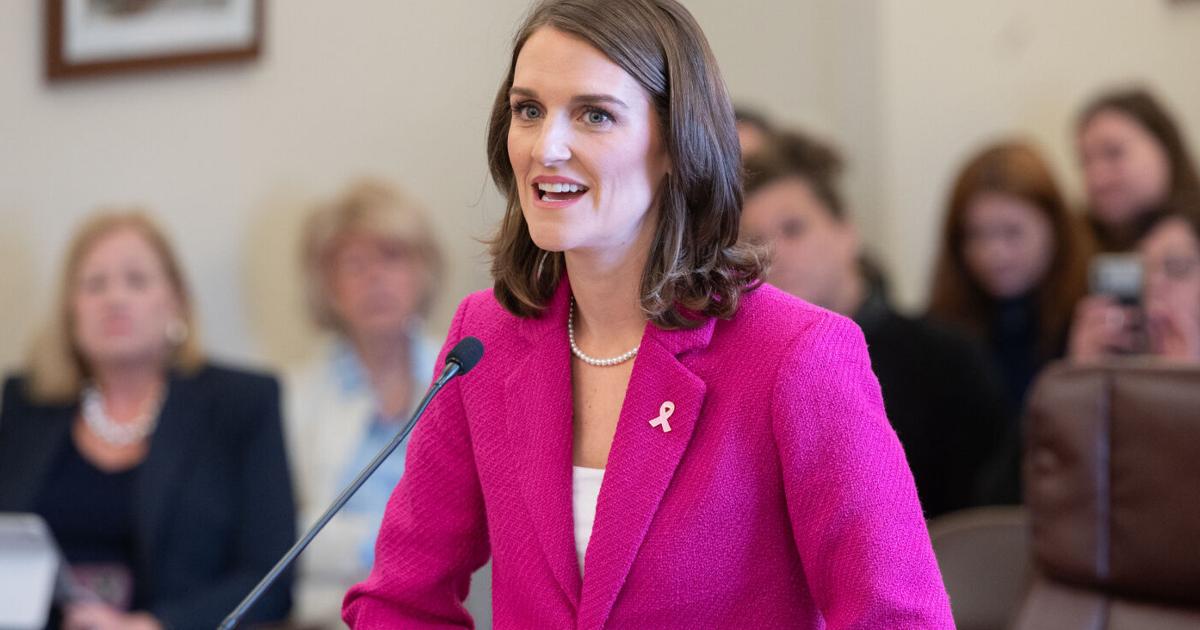
The bill was introduced following testimony from Jessica Huffman, a 38-year-old registered nurse and mother of six from Williamstown, Wood County. Huffman shared her personal experiences with cancer treatment, explaining the emotional toll of hair loss. “Two years ago, I was diagnosed with breast cancer,” she recounted. “I had a double mastectomy and underwent chemotherapy, losing all of my hair. While being bald is socially acceptable for many men, it was very difficult for me.”
Scalp cooling systems have been recognized by the American Cancer Society for their role in reducing hair loss during chemotherapy by protecting hair follicle cells. These FDA-approved devices work by cooling the scalp, constricting blood vessels and limiting the amount of chemotherapy that reaches the hair follicles. Huffman emphasized the importance of these devices, stating, “It allows people to keep often more than half of their hair.”
Despite their effectiveness, scalp cooling systems can be expensive, costing patients upwards of $3,000. Huffman noted that while many insurance companies cover wigs, proactive measures to prevent hair loss should also be included in insurance policies. She argued that investing in scalp cooling could alleviate the emotional burden of hair loss, which often accompanies cancer treatment.
The fiscal implications of House Bill 4089 suggest an estimated cost of approximately $585,000 for its implementation, primarily due to increased Medicaid funding. The West Virginia Department of Human Services indicated that the state would contribute $104,598, while the federal government would provide $480,402. Both the West Virginia Insurance Commission and the Public Employees Insurance Agency have reported that the bill would not financially impact their departments.
Delegate Hall, who has been closely involved in the legislative process, expressed his commitment to supporting Huffman and those affected by cancer. He previously proposed a similar bill, House Bill 2906, during the 2025 legislative session, but it did not complete the legislative process. Hall highlighted the progress made by other states, noting that New York became the first state to enact such legislation, followed by Louisiana.
Senate Health and Human Resources Committee Chair Brian Helton, R-Fayette, also supports HB 4089, emphasizing the importance of preserving dignity and self-esteem for cancer patients. “It should just be a vital part of it that we preserve people’s dignity, we help them keep their self-esteem and their sense of well-being,” he stated.
Hall shared a personal connection to the issue, reflecting on the impact of cancer on his family. His sister, Debbie Hall, who passed away in 2015, experienced similar challenges during her treatment. “The loss of hair, and the reflection in the mirror, is what I remember most,” he said. “It didn’t change who she was, but it changed the perception of everyone else who looked at her. By doing that, she lost a bit of hope and a touch of confidence.”
As the legislative session nears its conclusion on March 14, 2026, House Bill 4089 has garnered attention and support, having passed unanimously in the House of Delegates on February 11. The bill is currently with the Senate Finance Committee, where it will be reviewed before a full senate vote. If successful, this legislation could profoundly enhance the emotional and psychological well-being of cancer patients in West Virginia, fostering a sense of hope during their treatment journey.