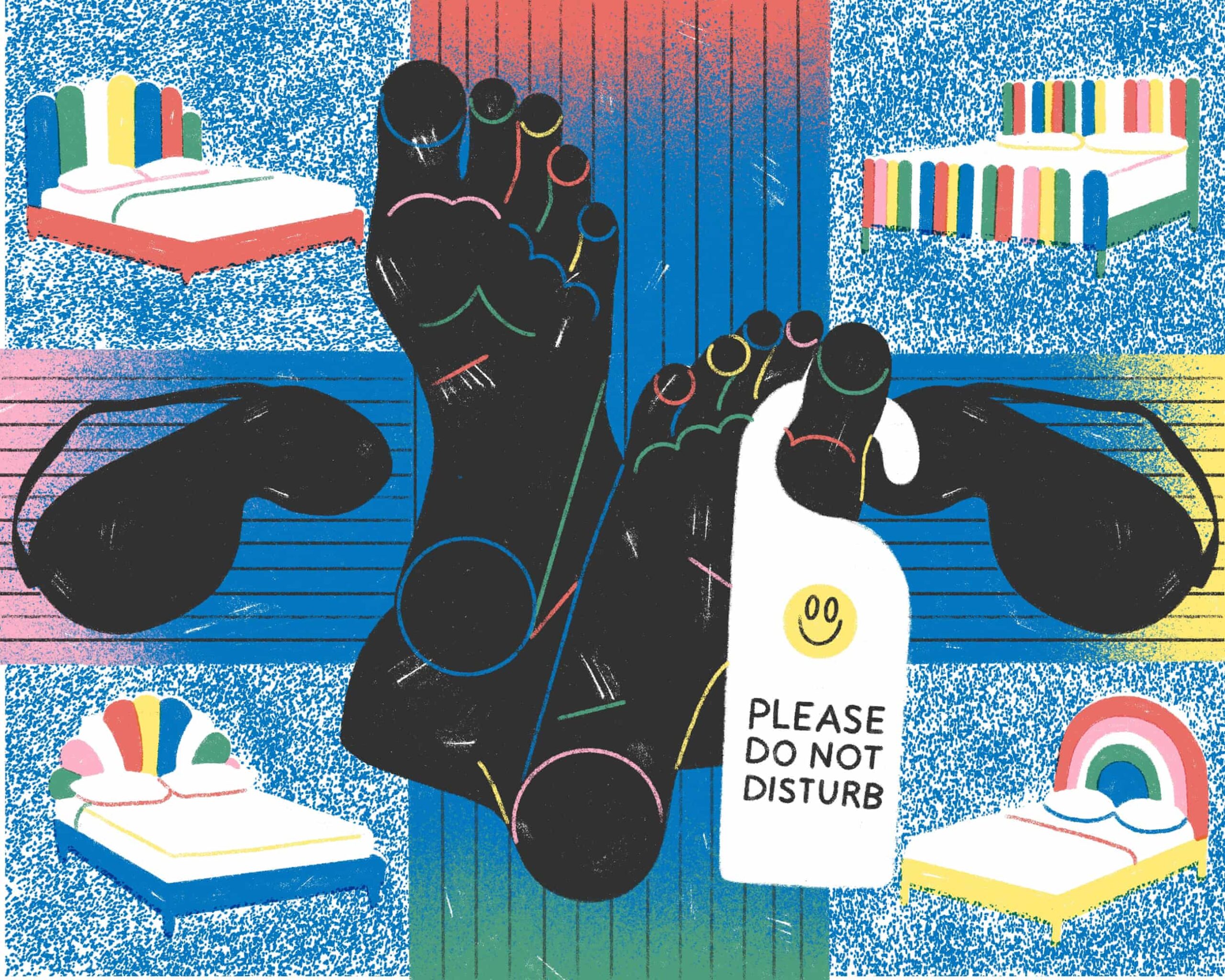
The start of a new year often brings pressure to increase productivity and self-improvement. Amid the rush of holiday festivities, many feel compelled to become more active or creative. Yet, experts suggest that embracing rest may be more beneficial than relentless activity. According to Amelia Nagoski, co-author of Burnout: The Secret to Unlocking the Stress Cycle, society has conditioned us to believe that the busiest individuals are the most successful, leading to a culture that equates hard work with self-worth.
Dr. Saundra Dalton-Smith, a physician and author of Sacred Rest, emphasizes that rest is crucial for optimal functioning. She points out that pushing through fatigue often results in diminished productivity. As we enter 2023, it may be time to reconsider our approach to rest and recovery.
Understanding Rest: More Than Just Sleep
Rest is defined by Nagoski as anything that replenishes energy. This does not always mean inactivity. She explains, “Sometimes, it’s just doing different things.” Activities that engage the mind and body can be more restorative than passive relaxation. Alex Soojung-Kim Pang, author of Rest: Why You Get More Done When You Work Less, argues that engaging in activities like walking, spending time in nature, or exercising can provide significant restorative benefits.
Challenges to Incorporating Rest
The societal framework often undermines the value of rest. Pang describes a culture that promotes the idea that success is tied to long hours and constant effort. This mindset creates a barrier to recognizing the importance of rejuvenation. Additionally, individuals may struggle to identify what type of rest they need.
To combat these challenges, it’s essential to take rest seriously. “If you’re asking this question, you’re taking rest seriously,” Pang notes. The first step is acknowledging that rest is necessary for well-being and productivity.
Those in flexible work environments can optimize their schedules by alternating between periods of focused work and breaks. Pang suggests working intensely for 90 minutes to two hours, followed by a half-hour break to recharge. Employees in less predictable jobs should strive to preserve personal time in the evenings and on weekends. Studies indicate that establishing clear boundaries between work and personal life can lead to enhanced job satisfaction and longevity in one’s career.
Recognizing the specific types of rest one needs is also crucial. Drawing from Dalton-Smith’s research, the American Psychological Association identifies seven forms of rest:
– **Physical rest**: Adequate sleep and napping.
– **Mental rest**: Journaling or meditating.
– **Emotional rest**: Discussing feelings with friends or therapists.
– **Social rest**: Allocating time for solitude or being with uplifting individuals.
– **Sensory rest**: Enjoying nature or taking breaks from screens.
– **Creative rest**: Engaging in hobbies like drawing or dancing.
– **Spiritual rest**: Connecting with meaningful traditions or causes.
Building a Support System
Enlisting support from others can significantly aid in the journey toward incorporating more rest into one’s life. Nagoski recalls how her sister, sex educator and researcher Emily Nagoski, provided critical support during a stressful time, driving hours to help her recover from a stress-induced illness. This experience inspired them to co-author their book on burnout.
Experts emphasize the importance of surrounding oneself with individuals who prioritize well-being. “If you try to stand against [the pressure to overwork] alone, you’re going to get washed away really fast,” Nagoski says. Building a community that values rest can create a buffer against societal demands for constant productivity.
As we navigate through 2023, it may be time to shift our focus from relentless activity to meaningful rest. By understanding the types of rest we need and fostering supportive relationships, we can enhance our overall well-being and productivity.