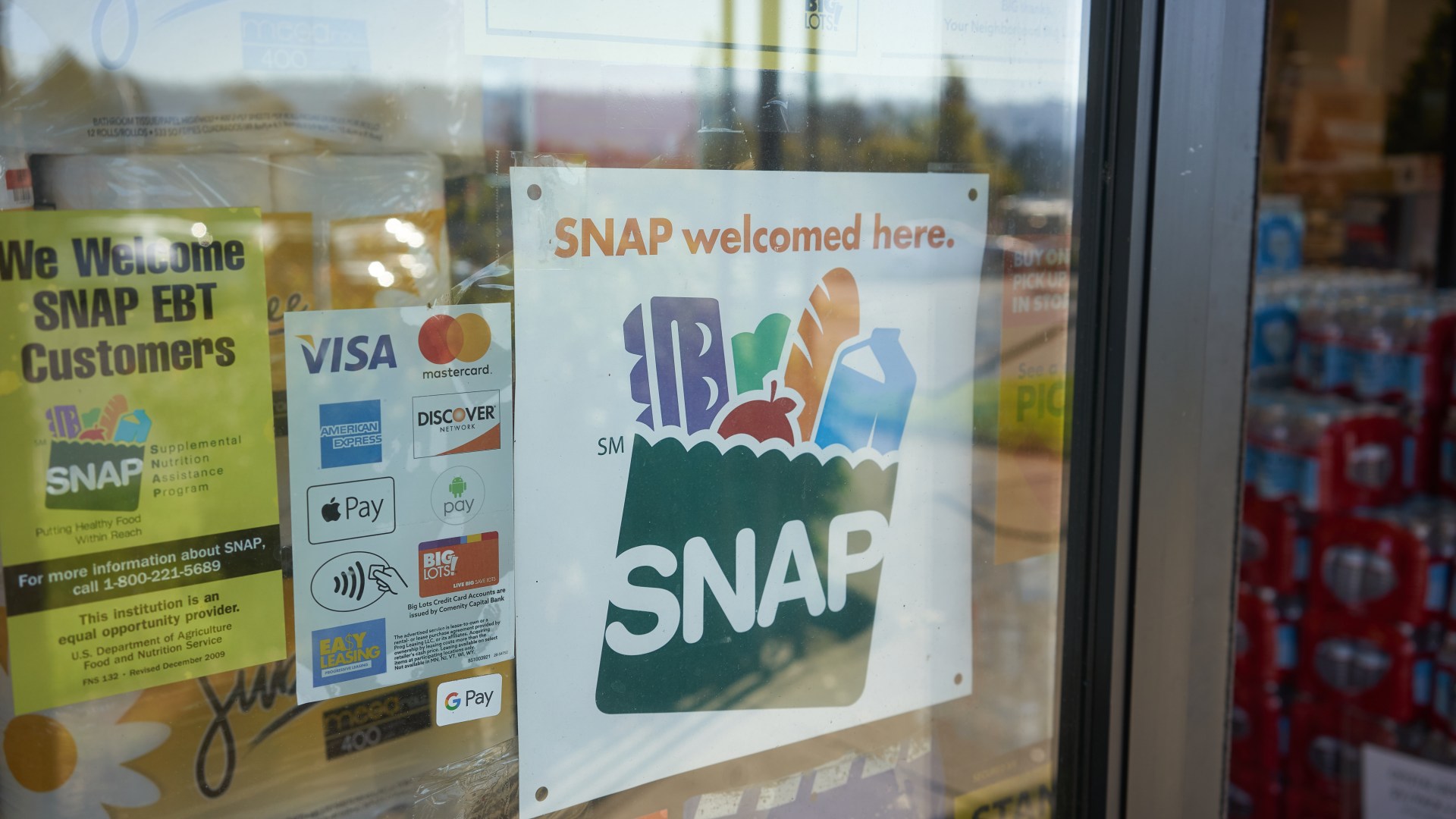
As the new year begins, significant changes to the Supplemental Nutrition Assistance Program (SNAP) are being implemented, affecting millions of recipients across the United States. These modifications include adjustments to benefit amounts, new eligibility requirements, and restrictions on certain food purchases. While some households will see an increase in their monthly benefits, others may face a loss of assistance altogether.
Benefit Increases for Many Households
One of the most notable changes is a rise in benefit amounts due to a cost-of-living adjustment (COLA) by the federal government. The COLA will increase from 2.5% in 2025 to 2.8% in 2026. Under the new structure, a single-person household in Washington D.C. and the contiguous United States will have a cap of $298 in monthly benefits. For a two-person household, this figure will rise to $546, and a family of four will see their benefits capped at $994. Residents of Hawaii, Alaska, Guam, and the Virgin Islands will also experience benefit increases, with a family of four in Hawaii receiving a maximum of $1,689.
Changes to Eligibility Requirements
Another aspect of the reform involves modifications to the work requirements for able-bodied adults without dependents (ABAWDs). Under the new rules, individuals aged 18 to 64 must now work at least 80 hours per month to qualify for benefits. Previously, this requirement applied only to those aged 18 to 54. ABAWDs who fail to meet the minimum work hours will be limited to just three months of benefits over a three-year period. Additionally, the new regulations remove exemptions for veterans, unhoused individuals, and those under 24 years old in foster care. The exemption for caregivers has also been tightened, now only applying to those with children under 14.
New Food Purchase Restrictions
Starting in 2026, several states will enact laws to restrict the types of food that can be purchased with SNAP benefits. The U.S. Department of Agriculture (USDA) currently allows the purchase of various items, including fruits, vegetables, dairy, and non-alcoholic beverages. However, as of January 1, 2026, states such as Indiana, Iowa, Nebraska, West Virginia, and Utah will prohibit the purchase of soda and soft drinks with SNAP benefits. Florida plans to expand these restrictions to include energy drinks and prepared desserts, while additional states are expected to follow suit.
Increased Administrative Costs for States
Another significant change will impact state budgets. Currently, states cover 50% of SNAP’s administrative costs, with the federal government covering the remainder. Starting in October 2026, states will be responsible for 75% of these costs, which include outreach, staffing, and system maintenance. This substantial increase may force some states to reconsider their SNAP operations or seek alternative funding sources.
Elimination of SNAP-Ed Programs
The SNAP-Ed program, which provided free nutrition education to low-income individuals, was eliminated at the end of September 2023. While some states have ended all SNAP-Ed programs, others are attempting to stretch their remaining funds to maintain a reduced schedule. According to the National Association of Counties, states given an extension are expected to exhaust their funds by September 30, 2026.
These changes reflect a broader initiative to adjust SNAP to better meet the needs of low-income households while addressing budgetary constraints. As the program evolves, both beneficiaries and state agencies will need to navigate the implications of these significant shifts.