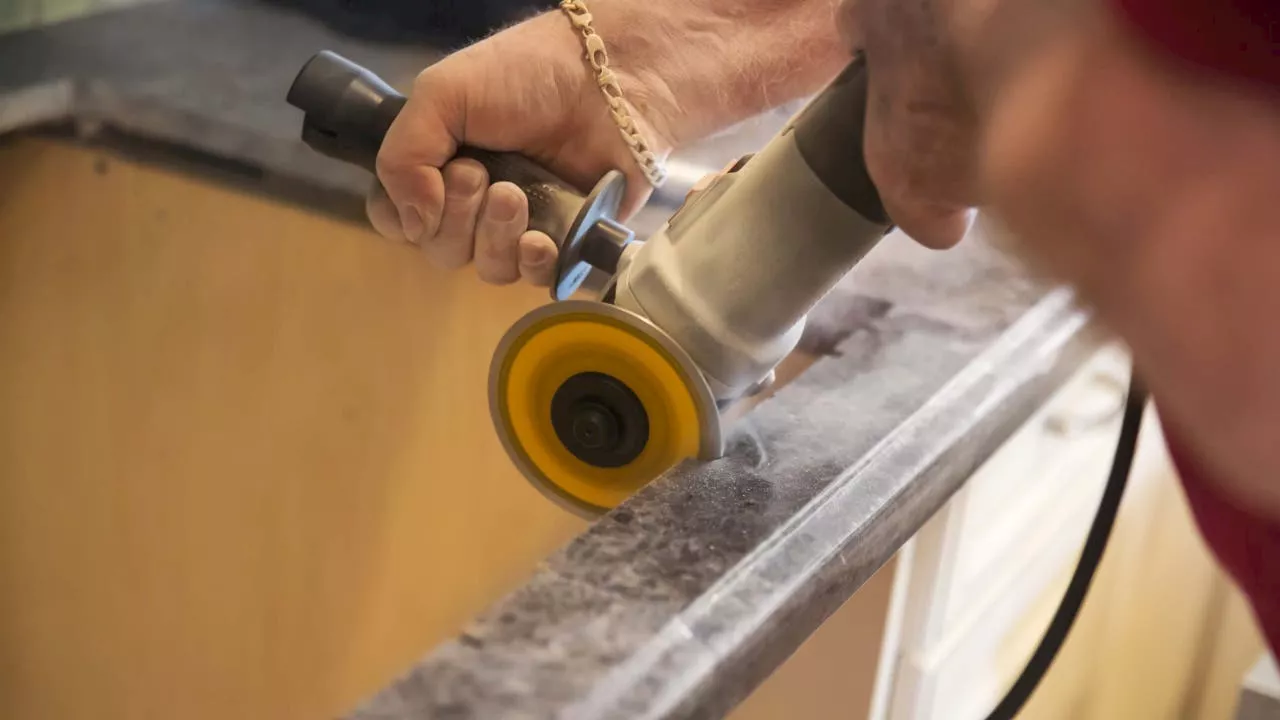
A man in his 40s from Massachusetts has been diagnosed with silicosis, a serious lung disease linked to his 14 years of work in stone countertop fabrication and installation. The Massachusetts Department of Public Health confirmed this diagnosis, marking a significant public health concern regarding occupational exposure to crystalline silica dust found in materials such as granite and engineered stone.
Silicosis is an incurable condition resulting from inhaling fine particles of crystalline silica, which often become airborne during the cutting, grinding, and polishing of stone materials. According to the Occupational Safety and Health Administration (OSHA), these silica dust particles can lead to severe respiratory issues, including lung cancer, chronic obstructive pulmonary disease (COPD), and even kidney disease. Symptoms may include persistent cough, shortness of breath, and fatigue, which can drastically affect a person’s quality of life.
Robbie Goldstein, Commissioner of the Massachusetts Department of Public Health, emphasized the preventable nature of this disease. “Silicosis is a devastating, life-altering disease—and one that is also absolutely preventable,” he stated. He urged employers in industries involving silica dust exposure to implement protective measures to safeguard their workers.
The diagnosed individual represents a growing trend among workers in the countertop industry, particularly those working with engineered stone, which contains a higher percentage of crystalline silica—often over 90%, compared to 10-45% in granite. Public health officials are increasingly alarmed by the rising number of silicosis cases linked to engineered stone, which first came to attention in the United States with a reported case in Texas in 2014. Since then, numerous cases have emerged across several states, with California reporting a particularly high incidence rate.
As of 2023, demographic data shows that a significant portion of workers in this industry are young, male, and Hispanic or Latino. The U.S. Census Bureau indicates that more than half of these workers are under 45 years old, while nearly three-quarters are men, highlighting a concerning trend that reflects the workforce’s vulnerability to occupational hazards.
In response to these alarming statistics, experts encourage the adoption of engineering controls, such as water spraying systems and the use of remote-controlled tools, to mitigate the release of silica dust during countertop installation. Furthermore, proper respiratory protection is vital to ensure worker safety.
The recent diagnosis serves as a critical reminder of the health risks associated with silica exposure in the workplace. Public health officials continue to advocate for stronger regulations and enforcement to protect workers in high-risk industries. No individual should endure the debilitating effects of a preventable illness due to occupational hazards.