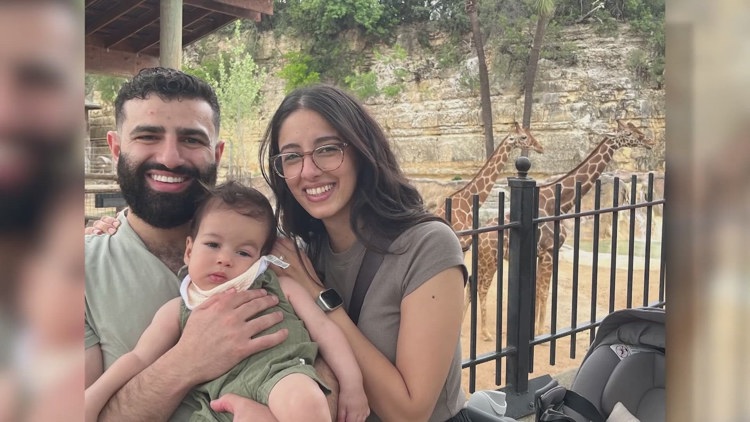
The COVID-19 pandemic has intensified familial tensions for many, especially in cases where differing perspectives on health and safety collide. A particular case involves a husband caught in a conflict between his wife and mother, both of whom have experienced the pandemic in drastically different ways.
In a heartfelt letter, the husband explains that he became engaged to his wife in 2020. His mother, a nurse with asthma, faced significant mental and emotional challenges throughout the pandemic. Concerned for her health, she opted to socially distance herself from family events, including wedding planning. Conversely, his wife perceived the pandemic as an inconvenience rather than a serious threat.
This divergence in attitudes created a rift. The wife felt abandoned by her future mother-in-law, resulting in hurt feelings and escalating confrontations. The husband attempted to reassure his wife, explaining that his mother acted out of fear for her health. However, these explanations did little to soothe her anger, leading to hurtful exchanges and ultimately blocking communication between the two women.
The couple married in October 2021, with the husband feeling pride when his mother attended the ceremony without a mask, despite the ongoing pandemic. Yet, this event did not resolve the underlying tensions. The husband’s wife continued to express resentment towards his mother, which has led to ongoing disputes that threaten the couple’s marital harmony.
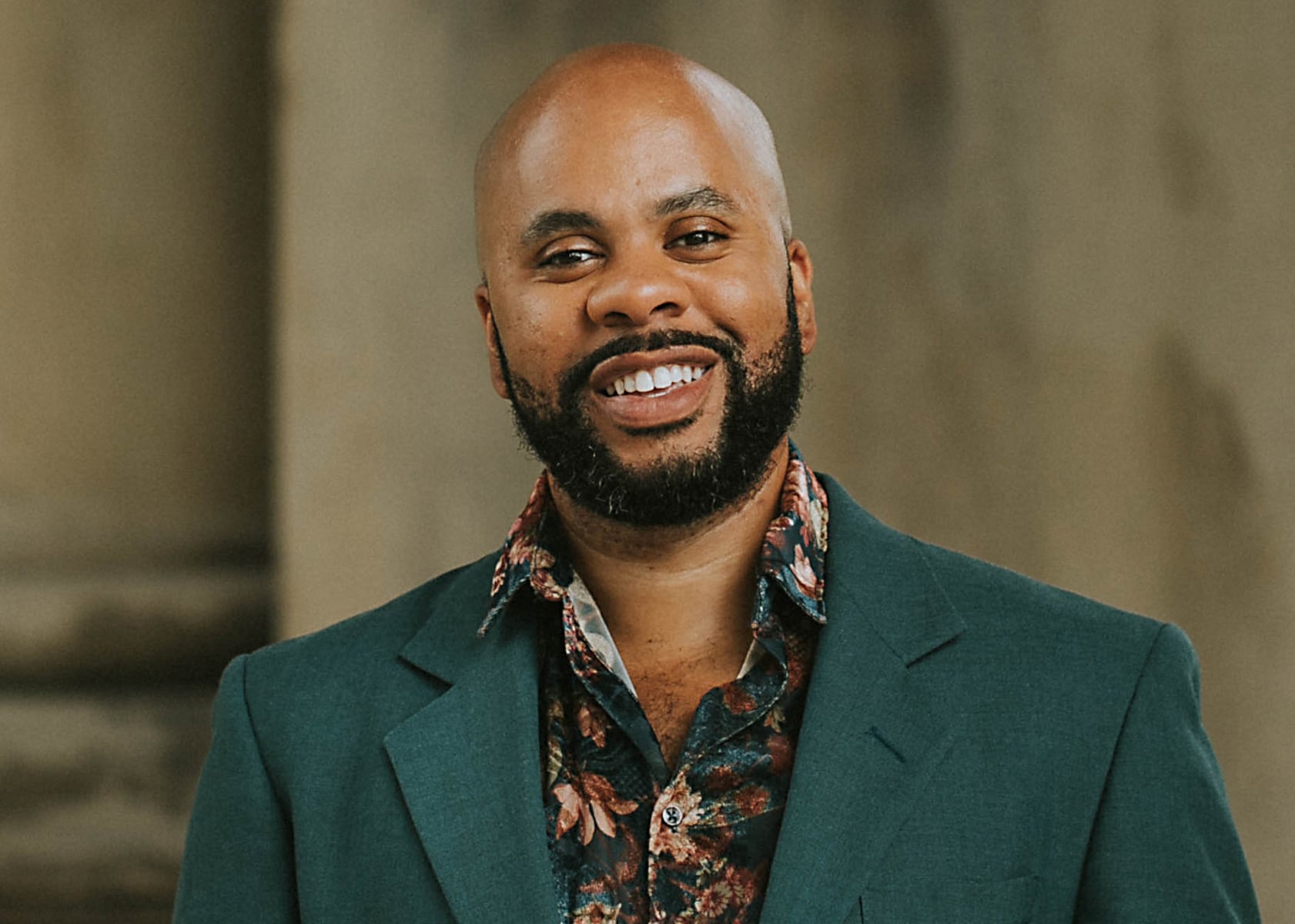
In response to this situation, relationship expert R. Eric Thomas suggests that the husband explore couple’s counseling. A professional therapist can help both partners develop healthier communication strategies and work through their grievances. Thomas emphasizes the importance of addressing the emotional needs of both individuals, particularly regarding the wife’s feelings of hurt and abandonment.
Another letter highlights a different but equally challenging scenario. A woman who had been critically ill and required an induced coma described her husband’s unwavering support during her recovery. Although grateful for his assistance in her daily care, she now feels trapped in a domestic role that is causing her distress.
She shared her feelings of resentment and the perception that her contributions to the household have become burdensome. Acknowledging her situation, Thomas reassures her that it is not her fault. He encourages a candid conversation with her husband about household responsibilities and personal feelings.
Such discussions can help couples understand each other’s perspectives and find equitable solutions. Thomas recommends engaging a friend or therapist if direct communication proves difficult.
Both letters reveal the profound impact that health crises can have on personal relationships. As individuals navigate the complexities of their emotions and expectations, seeking support—whether through counseling or open dialogues—may be essential for restoring balance and harmony in their lives.
For those facing similar dilemmas, expert guidance can provide valuable tools for improving communication and resolving conflicts. This is crucial in maintaining relationships that may have been strained during challenging times.
For further inquiries, individuals can reach out to R. Eric Thomas at [email protected] or P.O. Box 22474, Philadelphia, PA 19110. Additionally, follow him on social media for more insights and advice.