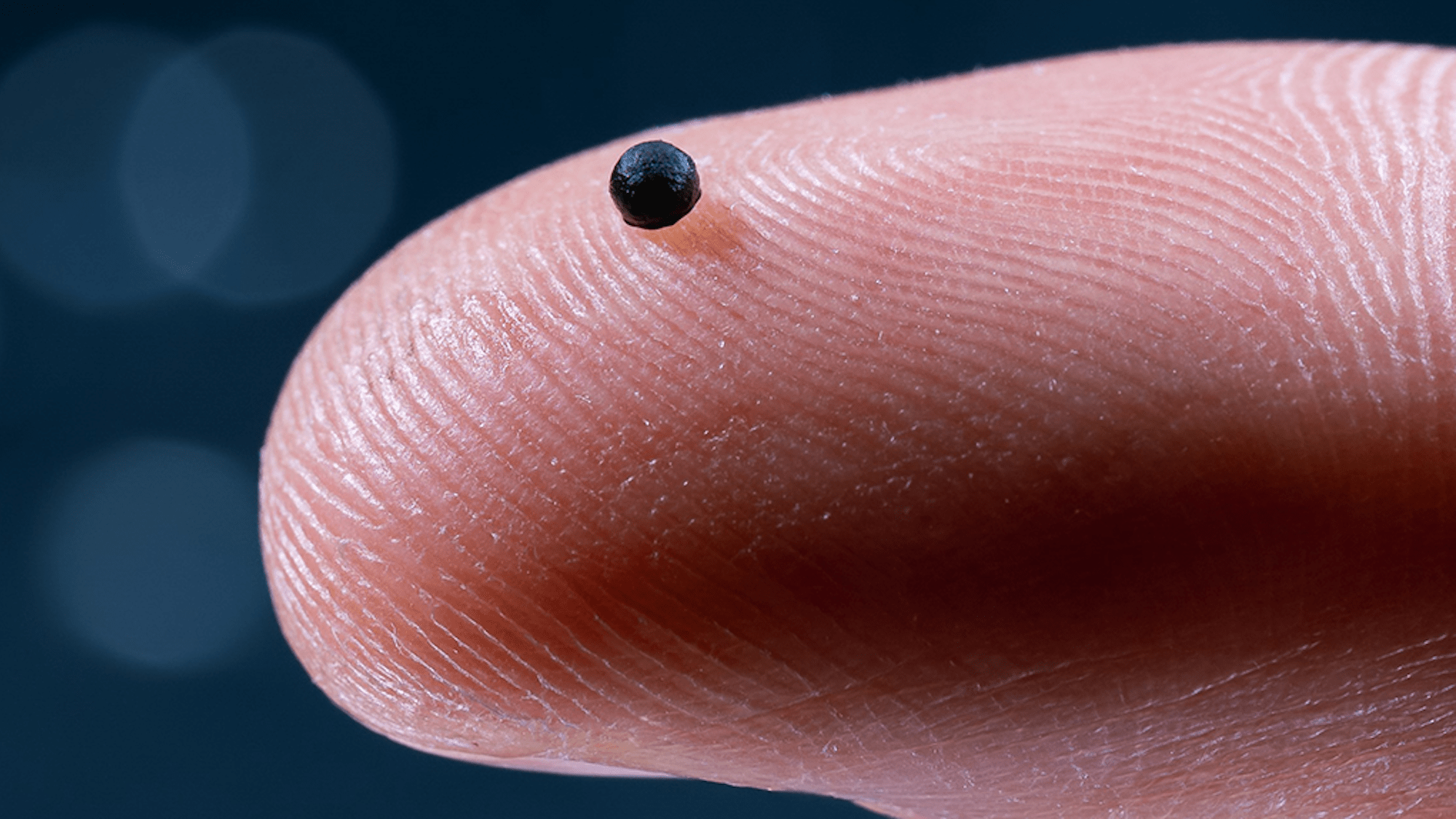
A newly developed biosensor is making waves in the field of ophthalmology by detecting two critical proteins linked to diabetic retinopathy, a leading cause of vision loss. This innovative technology targets LCN1 and VEGF in tear fluid, offering a noninvasive method for monitoring this serious eye condition.
Researchers are increasingly recognizing tear fluid as a valuable diagnostic tool. It can be collected easily and without discomfort, making it an attractive alternative to traditional blood tests. Changes in the composition of tear fluid often mirror physiological changes in the body, providing insights into various health conditions, including eye diseases.
Advancements in Tear Fluid Analysis
The development of this biosensor marks a significant step forward in the early detection and management of diabetic retinopathy. Currently, diagnosis often relies on comprehensive eye examinations and imaging techniques. While these methods are effective, they can be time-consuming and require specialized equipment.
The biosensor’s ability to pinpoint LCN1 and VEGF directly from tear fluid could allow for quicker assessments and more frequent monitoring of patients at risk. This could be particularly beneficial for individuals with diabetes, who are often at higher risk for developing eye complications.
According to a study published in the journal “Ophthalmology,” monitoring these proteins could lead to earlier interventions, potentially preserving vision and improving quality of life for many patients.
The Future of Noninvasive Diagnostics
The implications of this biosensor technology extend beyond diabetic retinopathy. As ongoing research continues to explore the complexities of tear fluid, there is potential for developing additional diagnostic tools for various diseases. By leveraging the body’s natural fluids, researchers hope to create more accessible and cost-effective diagnostic solutions.
This advancement reflects a broader trend in medical diagnostics towards noninvasive methods. With the increasing demand for patient-friendly testing options, technologies like this biosensor may soon become standard practice in clinical settings.
In summary, the biosensor targeting LCN1 and VEGF in tear fluid represents a promising leap forward in the fight against diabetic retinopathy. As researchers continue to explore the potential of tear fluid, the medical community may soon witness a transformation in how eye diseases are diagnosed and managed.