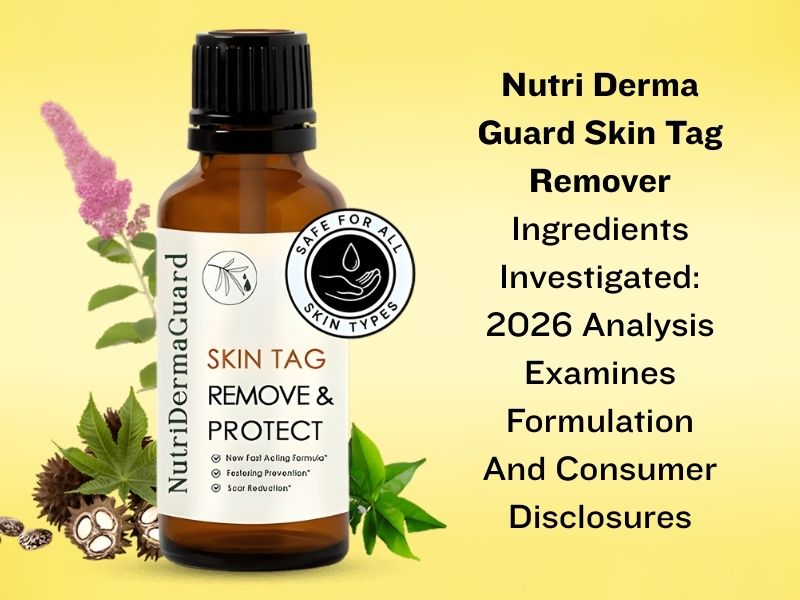
The formulation of NutriDerma Guard Skin Tag Remover has come under scrutiny as independent consumer research examines its ingredients and potential efficacy. This analysis focuses on the active components in the product, aiming to provide consumers with essential information about their use in treating skin tags. The product is marketed as a non-invasive solution for individuals looking to manage minor skin growths.
Consumer interest in at-home skin tag removal products has surged, with many seeking alternatives to professional dermatological treatments. According to dermatological literature, skin tags, or acrochordons, are benign growths that typically appear in areas where skin experiences friction. These growths can cause discomfort and self-consciousness, prompting individuals to explore various removal options.
The NutriDerma Guard formulation, made in the United States and distributed from Largo, Florida, includes the following ingredients: Alcohol Denat, Ricinus Communis (Castor) Seed Oil, Melaleuca Alternifolia (Tea Tree) Leaf Oil, and Salicylic Acid. Each ingredient has been the subject of research, which provides context for their intended application.
Ingredient Analysis and Context
Castor oil, derived from the seeds of the Ricinus communis plant, is known for its moisturizing properties. Research published in the International Journal of Toxicology indicates that castor oil has humectant qualities, which may help maintain skin hydration. Despite its historical use in traditional medicine, it is crucial to note that its effectiveness in treating skin tags has not been clinically validated.
Tea tree oil, extracted from the Melaleuca alternifolia plant, has gained recognition for its antimicrobial properties. Studies in journals such as the Journal of Antimicrobial Chemotherapy have demonstrated its efficacy against various pathogens. Its inclusion in skin formulations is based on its astringent and drying effects, though specific evidence regarding its effectiveness for skin tag removal remains limited.
Salicylic acid is perhaps the most established ingredient in the formulation. Recognized by the U.S. Food and Drug Administration for certain over-the-counter uses, it promotes the shedding of abnormal skin tissue through its keratolytic action. However, while salicylic acid is well-documented in dermatological applications, consumers should be aware that its effectiveness for skin tags has not been specifically validated.
Alcohol denat serves multiple roles in the formulation, functioning as a solvent and penetration enhancer. Its presence may facilitate the absorption of other active ingredients, but it can also lead to skin irritation, particularly for sensitive skin types.
Consumer Considerations and Safety
Individuals considering NutriDerma Guard for skin tag management should approach the product with caution. The company advises that the formulation is for external use only and should not come into contact with sensitive areas such as the eyes or mucous membranes. Users are encouraged to discontinue use if they experience irritation or adverse reactions.
The product does not guarantee specific outcomes or timelines for removal, as individual responses can vary significantly based on numerous factors such as skin type and growth characteristics. Consumers should take into account their comfort with non-invasive methods and their willingness to maintain a consistent application regimen.
While NutriDerma Guard presents a topical alternative for managing skin tags, it is essential to understand that professional clinical methods offer more immediate and predictable results. Those with multiple growths or who prefer non-invasive options may find topical solutions appealing, but should also be aware of the limitations and potential risks involved.
Before using any skin treatment product, consulting with a qualified healthcare professional or dermatologist is strongly recommended, especially for individuals with underlying health conditions or those who notice changes in their skin growths.
This analysis serves to inform potential users about the ingredients in NutriDerma Guard and the broader context of topical skin tag solutions. As consumer interest continues to grow, understanding the science behind these formulations is crucial for making informed decisions regarding skincare.