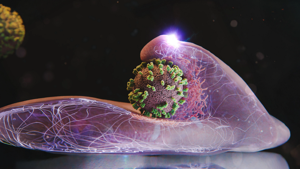
Researchers from Switzerland and Japan have successfully captured the exact moment a person becomes infected with the influenza virus. This groundbreaking observation, published in the journal Nature Communications, marks a significant advancement in understanding how the flu virus operates at a cellular level.
The study, conducted by scientists from the University of Geneva and Kyoto University, utilized high-resolution imaging techniques to observe the infection process in real time. By focusing on the interactions between the virus and host cells, the team was able to detail the mechanisms that facilitate infection.
Understanding how the influenza virus enters and hijacks host cells is crucial in the development of more effective antiviral therapies. The researchers believe that this detailed insight could lead to targeted therapies that disrupt the infection process at its onset.
Dr. Hiroshi Kida, a lead researcher from Kyoto University, explained, “By observing the initial stages of infection, we can identify critical points where we can intervene with antiviral drugs.” This approach could transform the way influenza is treated, moving away from broad-spectrum medications to more specific interventions.
The implications of this research extend beyond influenza. The techniques developed may also be applied to other viral infections, enhancing the overall understanding of viral pathology. This could be particularly beneficial in the context of rapidly spreading viruses and emerging pathogens.
Research into the flu virus is particularly timely, given the seasonal outbreaks that affect millions worldwide. Each year, influenza leads to significant morbidity and mortality, and the need for effective treatments is more pressing than ever.
The findings from this study are expected to stimulate further investigations into viral infections, potentially yielding new strategies for prevention and treatment. As scientists continue to unravel the complexities of viral behavior, the hope is to stay one step ahead in the battle against influenza and other viral diseases.
With the ongoing advancements in imaging technology and molecular biology, researchers are optimistic that new antiviral therapies could emerge in the near future, significantly impacting public health. The collaboration between Swiss and Japanese researchers exemplifies the global effort to tackle infectious diseases.
In conclusion, this research not only sheds light on the precise mechanisms of flu infection but also opens doors to innovative therapeutic approaches. The scientific community eagerly anticipates the next steps in this promising area of study.