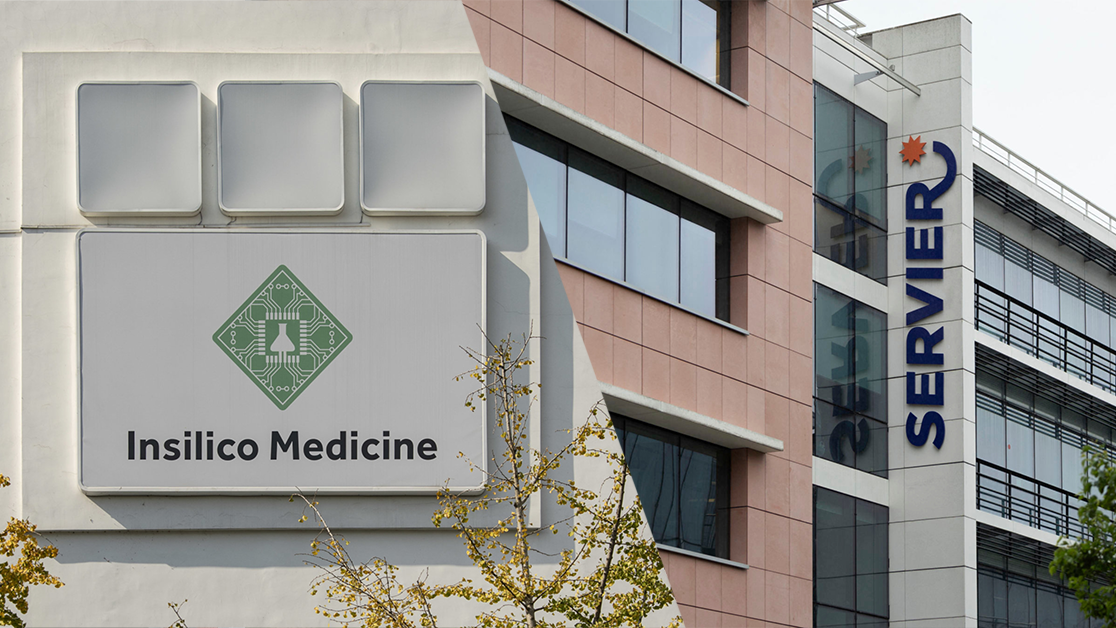
Servier, a global pharmaceutical company based in France, has entered into a strategic partnership with Insilico Medicine, a leader in artificial intelligence (AI) for drug discovery. This collaboration aims to leverage AI technology to accelerate the research and development of new cancer treatments, marking a significant step in the fight against this complex disease.
The agreement, announced on October 10, 2023, will allow Servier to utilize Insilico’s advanced AI platform. This technology is designed to enhance the efficiency of identifying and developing potential drug candidates. By integrating AI into the drug discovery process, the partnership seeks to reduce the time and cost associated with bringing new therapies to market.
Leveraging AI for Innovative Solutions
Insilico Medicine has gained prominence for its innovative approaches in the pharmaceutical industry. Its platform employs machine learning algorithms to analyze vast datasets and predict how new compounds will interact with biological systems. This capability can significantly streamline the drug discovery process, potentially leading to breakthroughs in oncology.
According to Dr. Alex Zhavoronkov, the CEO of Insilico Medicine, “This partnership with Servier represents a crucial step in our mission to transform drug discovery through AI.” He emphasized that the collaboration will not only enhance Servier’s capabilities but also contribute to the broader fight against cancer.
The urgency of developing new cancer treatments cannot be overstated. Cancer remains one of the leading causes of mortality worldwide, with millions of new diagnoses each year. Traditional drug development methods can take over a decade and involve substantial financial investments, often exceeding $1 billion. By harnessing AI, Servier and Insilico aim to expedite this process and bring innovative solutions to patients more rapidly.
Future Implications for Cancer Treatment
The partnership aligns with a growing trend in the pharmaceutical industry, where AI is increasingly viewed as a vital tool in drug development. Recent studies suggest that AI can improve the success rates of clinical trials and enhance the precision of drug targeting. This shift could lead to more personalized and effective cancer therapies, providing hope for patients facing challenging diagnoses.
As part of this collaboration, Servier will have access to Insilico’s AI-driven insights, which can identify novel drug targets and optimize lead compounds. This approach could potentially yield therapies that address not only the symptoms of cancer but also its underlying mechanisms.
In conclusion, the alliance between Servier and Insilico Medicine signifies a promising advancement in cancer research and development. By combining their expertise and resources, both companies are poised to make significant contributions to the fight against cancer, offering hope for improved treatments in the near future. With ongoing advancements in AI technology, the landscape of drug discovery is expected to evolve rapidly, potentially transforming how new therapies are developed and delivered to patients worldwide.