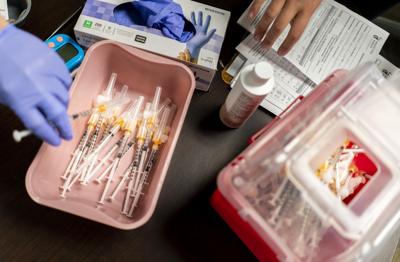
The Texas Attorney General has initiated a formal investigation into what he describes as “unlawful financial incentives” related to childhood vaccinations. This inquiry aims to ensure that pharmaceutical companies and insurers do not unduly influence medical providers to pressure parents into vaccinating their children. The investigation coincided with the conclusion of a comprehensive six-month analysis conducted by a group of public health experts, addressing the question of whether pediatricians profit significantly from vaccines. Their findings reveal that the reality is much more complex than the prevailing narrative suggests.
Investigating the Profit Narrative
The notion that pediatricians earn substantial profits from vaccines has persisted for years. This sentiment has recently gained traction, especially following comments from prominent figures, including Health and Human Services Secretary Robert F. Kennedy Jr., who stated in August, “Doctors are being paid to vaccinate, not to evaluate.” Such statements often misinterpret how insurance company quality programs operate. It is crucial to note that pharmaceutical companies are prohibited by federal anti-kickback laws from paying pediatricians to vaccinate children. Instead, quality incentive payments originate from insurance companies, which seek to promote preventive care to maintain the health of their members and reduce emergency room visits.
Moreover, the claims concerning these quality programs frequently overlook their broader scope. Payments are typically linked to a variety of care metrics, including chronic disease management and patient satisfaction. Immunization is just one aspect among many.
The Financial Realities of Vaccination
If the profit narrative held true, one would expect pediatricians to expand their vaccine services. Contrary to this expectation, approximately 24% of pediatricians reported considering the cessation of vaccine delivery. This decision is not driven by doubts about vaccines but rather by the financial strain associated with providing them. The economic landscape varies significantly depending on geographic location and patient demographics.
For instance, in Colorado, commercial insurers reimburse a median of $42 for vaccine administration, while Medicaid provides only $21. Conversely, in Mississippi, commercial rates hover around $22, with Medicaid reimbursement at just $11.68. These rates often fall below the actual costs required to store and administer vaccines. Some healthcare practices manage to break even or achieve modest margins due to favorable payer mixes, but many that serve Medicaid and uninsured children experience financial losses with each dose administered.
The issue at hand is not one of greedy physicians but rather a fragmented payment system that imposes significant financial burdens on practices catering to the most vulnerable children.
The focus on perceived physician profits diverts attention from the pressing policy issue of inadequate reimbursement, which jeopardizes vaccine access. Pediatricians who treat a high percentage of Medicaid patients are confronted with difficult choices: absorb financial losses to protect the children in their communities, limit the number of Medicaid patients they accept, or cease offering vaccines altogether. This last option could create barriers that prevent some children from receiving necessary vaccinations.
Pediatricians do not pocket vaccine payments; rather, revenue generated helps sustain their practices and fund essential services, such as after-hours nurse lines and mental health counseling. When reimbursement fails to cover costs, practices may be forced to cut services, sell to larger health systems, or even shut down.
The Broader Implications for Healthcare
The situation faced by pediatricians serves as a cautionary tale. Many adult primary care physicians have ceased providing vaccines due to similar financial pressures, leading to a situation where adults now often rely on pharmacies for vaccinations. This shift is not due to greater care quality at pharmacies but rather because physicians cannot afford to provide vaccinations at a loss. Pediatricians continue to offer vaccines out of a sense of obligation to protect children, despite the financial challenges involved.
Trust in pediatricians is crucial within the healthcare system. They are the professionals who comfort children during distressing moments and respond to parental concerns. Undermining this trust by suggesting that their recommendations are profit-driven, rather than focused on child health, can lead to delays in vaccinations and increased illness among children.
Policymakers should take a closer look at the disparities in reimbursement rates across states, the frequent inadequacy of Medicaid payments, and the disproportionate burden that falls on practices serving vulnerable populations. The pediatricians interviewed for this analysis expressed concerns about reimbursement delays and the financial challenges of serving Medicaid patients. Their focus remained on the children they care for and the families who depend on them.
Understanding the true economics of pediatric vaccination is essential, as those most dedicated to protecting children are often the least financially rewarded for their efforts. The narrative surrounding pediatric vaccine profits requires careful examination, as the implications of this investigation extend far beyond financial incentives, touching upon the health and well-being of children across the nation.