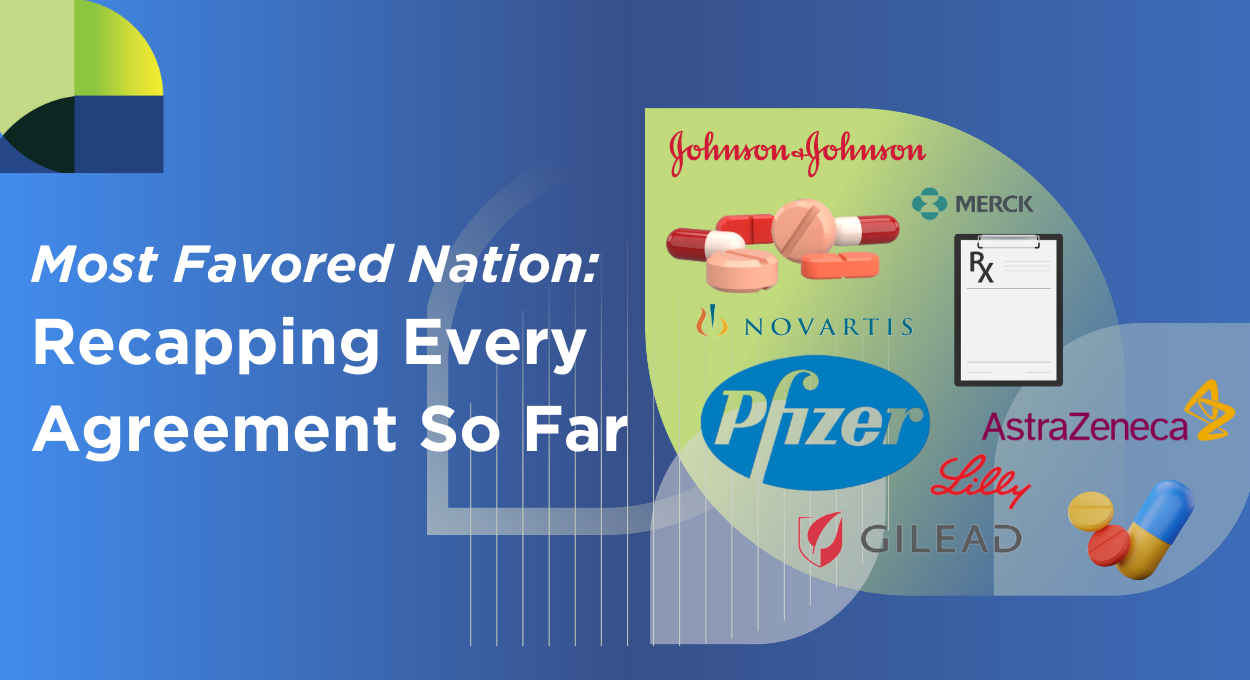
The Trump Administration has established a series of voluntary agreements with 16 pharmaceutical companies aimed at lowering drug prices for American consumers. This initiative, known as the Most Favored Nation (MFN) pricing approach, ensures that U.S. drug prices align with the lowest prices in other developed countries. If successful, these agreements could significantly alter the landscape of the pharmaceutical industry in the United States.
The MFN strategy mandates that eligible drugs be priced comparably to those in other developed nations, potentially saving American consumers substantial amounts on their medications. As noted by Ned Milenkovich, PharmD, JD, and principal at Much Shelist, P.C., “These initiatives could change what patients pay and how pharmacies operate.”
Overview of Agreements
A detailed summary of the 16 agreements reveals specific commitments from various pharmaceutical giants. The agreements cover a wide range of medications and therapies, aiming to enhance patient access and reduce financial burdens.
Pfizer was the first company to finalize an agreement, promising to reduce prices on a majority of its primary care treatments, including atorvastatin (Lipitor) and nirmatrelvir/ritonavir (Paxlovid). Pfizer’s reductions could range from 50% to as high as 85%, although specific terms are yet to be disclosed.
AstraZeneca has committed to offering direct-to-consumer (DTC) sales of prescription medications for chronic diseases at 80% off list prices. The agreement also includes a three-year delay on Section 232 tariffs, allowing AstraZeneca to shift its manufacturing operations to the U.S.
EMD Serono plans to expand access to its in vitro fertilization (IVF) therapies with significant discounts, expecting patients to receive an average of 84% off list prices when using a combination of its IVF medications.
In a notable deal, Eli Lilly will cap out-of-pocket costs for Medicare beneficiaries at no more than $50 per month for its medication tirzepatide (Zepbound) upon FDA approval. LillyDirect will offer a multidose pen at significantly reduced prices, with costs ranging from $299 to $449.
Novo Nordisk is focusing on its popular weight loss drug, semaglutide, providing access to Medicare Part D and Medicaid patients through their partnership with TrumpRx.
Impact on Patients and Healthcare Systems
The agreements extend beyond mere pricing reductions. For example, Amgen will expand its DTC program, making therapies like erenumab-aooe (Aimovig) available at a monthly price of $299, significantly lower than previous costs.
Bristol Myers Squibb (BMS) has agreed to provide its anticoagulant apixaban (Eliquis) for free to Medicaid recipients, reinforcing its commitment to improving healthcare access. In addition, BMS will donate over 7 tons of apixaban’s active pharmaceutical ingredient to the United States.
Other companies, including Gilead Sciences and Novartis, have also pledged to adhere to MFN pricing models, with Gilead offering discounts on key treatments for HIV and hepatitis, while Novartis aims to introduce future medications at MFN pricing.
These agreements represent a concerted effort by the Trump Administration to address escalating drug costs in the U.S. and improve affordability for patients. By leveraging MFN agreements, the administration seeks to align American drug prices with those in other wealthy nations, potentially alleviating financial pressures on consumers and the healthcare system.
As the pharmaceutical industry adapts to these new pricing structures, ongoing monitoring will be essential to assess the long-term impacts on both drug accessibility and patient outcomes.