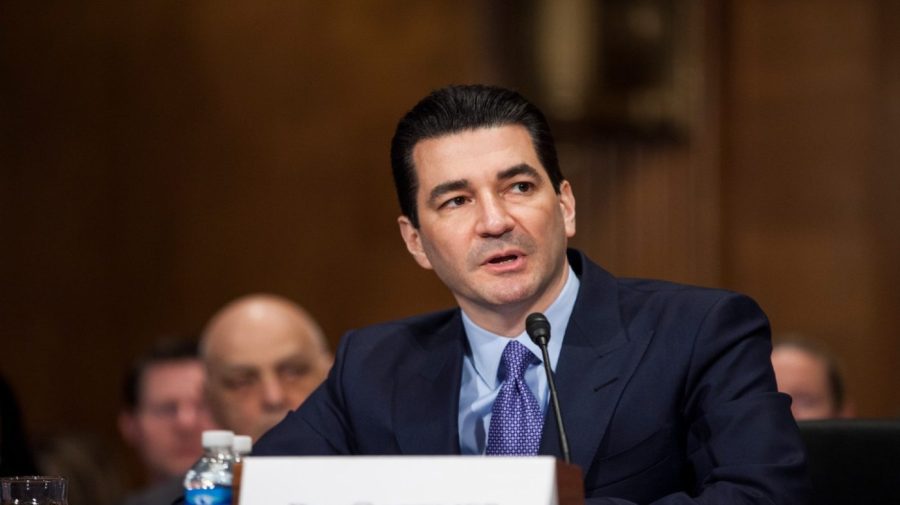
Former Food and Drug Administration (FDA) Commissioner Scott Gottlieb has publicly refuted claims made by President Donald Trump regarding the transmission of hepatitis B. Speaking on CBS News’s “Face the Nation” on October 15, 2023, Gottlieb described Trump’s assertions as “simply not true.”
During a recent event, Trump stated that hepatitis B is “mostly” transmitted through sexual contact or contaminated needles. Gottlieb responded directly to this statement, emphasizing that the transmission of hepatitis B is more complex and cannot be simplified to these claims. He noted that while sexual transmission and sharing needles can contribute to the spread of the virus, there are other significant routes of transmission, including from mother to child at birth.
Gottlieb’s comments come at a time when public health discussions around hepatitis B are critical. The virus is a major health concern, affecting millions worldwide. According to the World Health Organization, approximately 296 million people were living with chronic hepatitis B globally in 2019. This underscores the importance of accurate information regarding its transmission and prevention.
The former commissioner highlighted that misinformation can have severe implications for public health. “When leaders misstate facts about a disease, it can lead to stigma and misunderstanding among the public about how to protect themselves and others,” Gottlieb said. His remarks reflect a commitment to promoting accurate health information, especially during a time when the COVID-19 pandemic has raised awareness about communicable diseases.
Trump’s comments have sparked reactions beyond Gottlieb’s critique. Health experts and advocacy groups have echoed concerns about the potential for misinformation to hinder efforts to combat hepatitis B. The Centers for Disease Control and Prevention (CDC) advocates for regular screening and vaccination as effective measures against the virus, emphasizing that understanding transmission routes is vital for prevention.
The discussion surrounding hepatitis B is further complicated by the varying cultural and social attitudes towards sexual health and drug use in different communities. Public health officials stress the need for comprehensive education to dispel myths and promote informed choices.
As the conversation continues, Gottlieb’s call for accuracy in public health messaging serves as a reminder of the responsibility that leaders have in shaping public understanding of health issues. With ongoing efforts to reduce hepatitis B prevalence, accurate information becomes a crucial tool in combating this health challenge.
In light of these developments, the focus now shifts to how public figures can contribute to a better-informed society and what steps can be taken to ensure that health discussions are rooted in factual information.