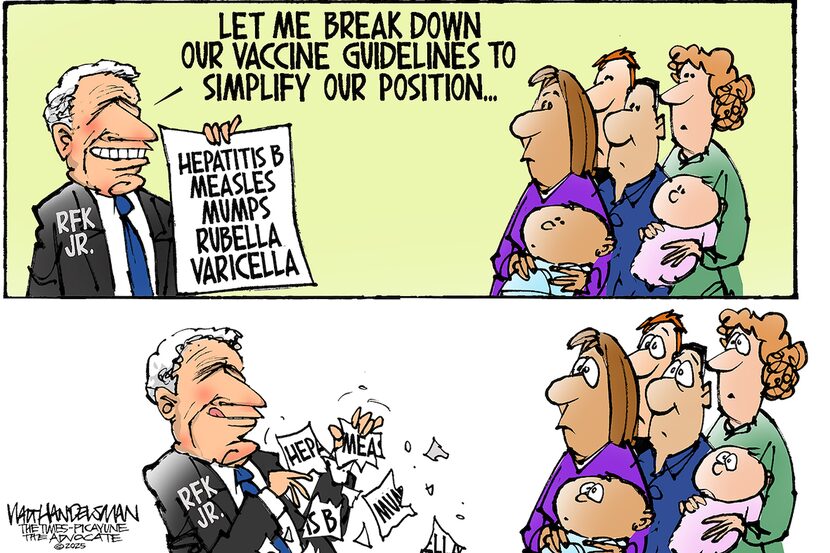
Public health officials are revising vaccine guidelines as the world continues to combat the COVID-19 pandemic. The latest recommendations, issued by the Centers for Disease Control and Prevention (CDC) on January 5, 2024, aim to enhance community immunity and address evolving virus variants. This shift has ignited discussions among health experts regarding its implications for individual choices and public safety.
The CDC’s updated guidelines recommend that all eligible individuals receive their COVID-19 vaccinations, including the latest booster, to ensure optimal protection. This guidance aligns with the recommendations from the World Health Organization (WHO), which has emphasized the importance of vaccinations as a critical tool in managing the ongoing health crisis.
Impacts of Vaccine Policy Changes
As the vaccine rollout continues, health experts are urging communities to remain vigilant. While the easing of certain restrictions may signal a return to normalcy, officials warn that complacency could lead to outbreaks. Dr. Susan Parker, a public health official in the United States, stated, “The guidelines are designed to protect not only individuals but also the wider community. It’s crucial that everyone plays their part.”
The recent policy changes have also stirred debate among citizens. Some individuals view the guidelines as an opportunity to resume normal activities, while others express concerns about the long-term effects of vaccination. The discourse around vaccine acceptance remains polarized, highlighting varying perceptions of safety and efficacy.
In the context of the upcoming New Year celebrations, many health officials are advocating for responsible choices. They emphasize that gatherings should adhere to safety protocols, including mask-wearing and maintaining social distance where necessary. The CDC’s guidance underscores that the best way to celebrate responsibly is through vaccination.
Looking Ahead: Health System Challenges
Despite the progress made in vaccination efforts, serious challenges persist within the health care system. Experts argue that the pandemic has highlighted existing weaknesses, including disparities in access to care and resources. The demand for medical services has surged, revealing the urgent need for reforms to ensure equitable health care for all.
As the world moves forward, the focus on vaccinations will remain paramount. Public health officials stress the importance of continuous education about vaccine benefits to combat misinformation. The success of future vaccination campaigns will depend on transparent communication and community engagement.
In conclusion, as new vaccine guidelines take effect, the emphasis on public health and safety is more crucial than ever. With the ongoing evolution of COVID-19, health officials encourage individuals to prioritize vaccinations while remaining informed and responsible. The collective effort to safeguard health will play a significant role in shaping the future of global health initiatives.