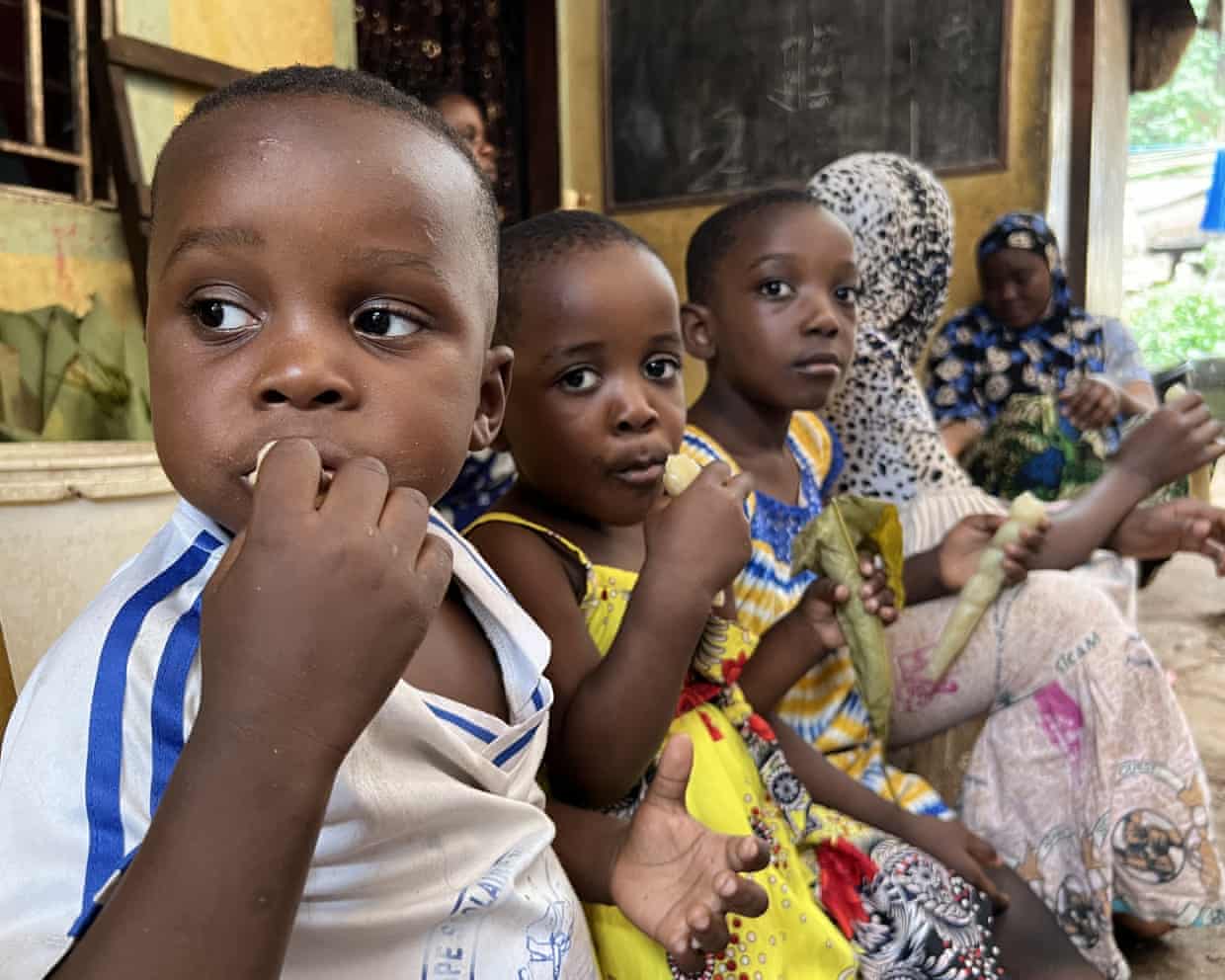
Children born today in developing countries face a significantly diminished earning potential due to declining health, education, and training systems, according to a recent report from the World Bank. The document, titled “Building Human Capital Where it Matters,” highlights urgent issues affecting children in low and middle-income nations, urging policymakers to enhance conditions in homes, neighbourhoods, and workplaces.
The analysis reveals that in 86 of 129 low and middle-income countries, critical factors such as health and education have worsened between 2010 and 2025. The report suggests that if these nations improved their human capital to match the best-performing countries in similar income brackets, children could earn up to 51% more over their lifetimes.
Concerns Over Human Capital Development
Mamta Murthi, the World Bank’s Vice President for People, emphasized that the prosperity of these nations hinges on their ability to cultivate and protect human capital. She stated, “Right now, we see that many countries are struggling to improve nutrition, learning, and skills of their current and future workforce, which raises concerns about labour productivity and the types of jobs their economies can sustain in the future.”
The report highlights troubling trends, particularly in sub-Saharan Africa, where adults today are, on average, shorter than they were 25 years ago. This change points to deteriorating health conditions. Additionally, educational outcomes for children in low and middle-income countries have declined over the past 15 years, with sub-Saharan Africa experiencing the most significant drops.
The comprehensive 140-page analysis draws on recent research to identify various factors impacting human capital. These include childhood stunting due to malnutrition and the influence of criminal activity in local areas. The report notes that the quality of care families provide has lasting effects on children’s development.
For instance, children in China who are cared for by relatives while their parents work elsewhere may live in higher-income households but tend to perform worse in mathematics and language tests and exhibit increased levels of depression.
Addressing Workplace Challenges
The report also examines workplace conditions, revealing that 40% of women in low and middle-income countries are not participating in the workforce. Among those who are employed, many work in “small-scale agriculture, low-quality self-employment, or microfirms,” which typically offer limited training and few opportunities for on-the-job learning.
To combat these issues, the World Bank recommends a diverse array of policies. Suggestions include parenting support, access to clean water, and incentives to foster apprenticeship programs. The report highlights that countries with similar income levels can have vastly different human capital outcomes, pointing to Jamaica, Kenya, the Kyrgyz Republic, and Vietnam as examples of success stories.
With skepticism surrounding the value of international aid, Ajay Banga, President of the World Bank, has redefined the institution’s role to concentrate on job creation and economic growth. As the global community grapples with these pressing challenges, the need to invest in human capital remains critical for the future of low and middle-income countries.