On the evening of March 14, 2024, TD Garden in Boston will be illuminated with rainbow lights as the Boston Bruins host their annual “Hockey Is for Everyone” night. This event aims to celebrate the LGBTQ+ community and raise funds for the Boston Pride Hockey league. For nearly a decade, this initiative has sought to promote inclusivity and social change within the sport. This year, the celebration gains heightened visibility thanks to the HBO series “Heated Rivalry,” which centers on the romance between two closeted professional hockey players.
As the series gains traction, it has sparked discussions around the lack of openly gay players in the National Hockey League (NHL), which has existed for over a century without an active or retired openly gay player. The buzz surrounding “Heated Rivalry” has led some to wonder if this narrative could encourage LGBTQ+ players to come forward. NHL Commissioner Gary Bettman has acknowledged the show’s impact, stating, “We’re well aware of ‘Heated Rivalry.’ In terms of embracing it, I think it’s a wonderful story.” Bettman noted that the show might attract new fans, particularly younger audiences.
Positive Impact on Inclusivity
The series has transcended its original audience and become a pop culture phenomenon, with late-night hosts and college students referencing it in humorous ways. Merchandise related to the fictional teams, the Boston Raiders and Montreal Voyagers, has emerged, and interest in hockey is growing among individuals who previously felt disconnected from the sport. Ryan Leblanc, a resident of Medford, expressed excitement about attending his first Bruins game after watching the show: “I bought a Bruins ticket, and I’ve never been to a game in my life.”
Despite the enthusiasm, some hockey enthusiasts remain skeptical about whether “Heated Rivalry” will lead to more players coming out. Jim Buzinski, co-founder of the LGBTQ+ sports news website Outsports, emphasized that coming out is a deeply personal process. He noted that many athletes, including the first openly gay player in the NHL, Luke Prokop, often choose to come out after retirement. The pressures of professional sports can make such decisions particularly daunting.
Nonetheless, experts like Edward Kian, a professor of sport management, believe the show could help change outdated attitudes within the NHL. Kian stated, “If the show can get more hockey fans to accept that some of the 736 athletes on NHL active rosters must be gay, then that, in turn, could theoretically lead to more gay hockey players feeling welcomed enough to come out publicly.”
Addressing Stereotypes and Challenges
The physical and aggressive nature of hockey can deter players from revealing their sexual orientation due to fears of being perceived as weak or less aggressive. Jett Stone, a clinical psychologist, explained that in a high-pressure environment like professional sports, differences can be wrongly viewed as liabilities. This perception often leads LGBTQ+ youth to leave the sport, despite their passion for it.
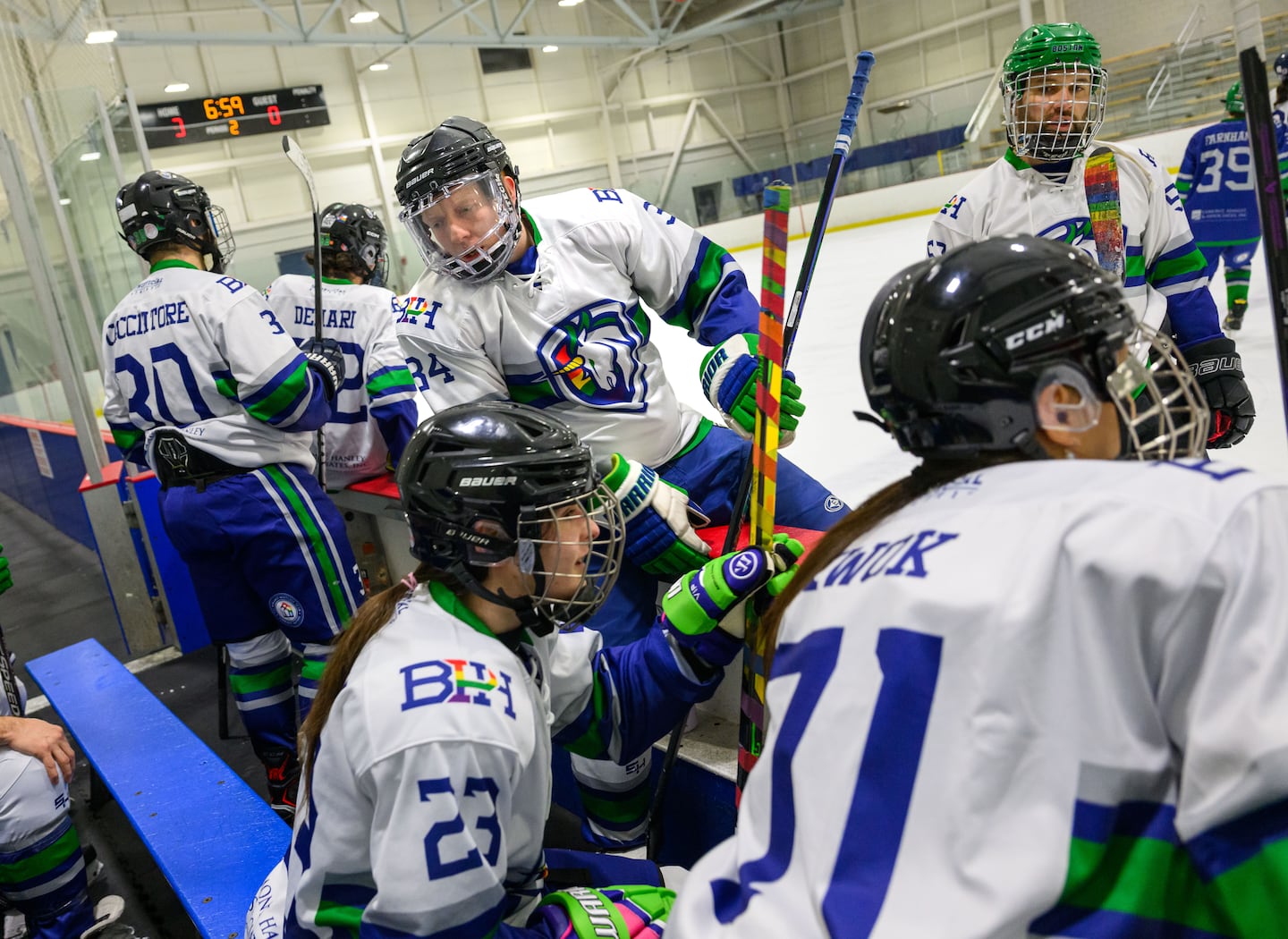
Stories of exclusion are common among LGBTQ+ hockey players. Kevin Corsino, a member of Boston Pride Hockey, shared his experience of feeling alienated due to homophobic remarks in locker rooms. “I knew how to skate before I could walk. But after years of hearing locker room banter, I decided it just wasn’t the space for me,” Corsino recounted. After discovering Boston Pride Hockey, he felt welcomed in a supportive environment.
Similarly, Jackie Farnham expressed that the intense homophobia he encountered in high school made him step away from the sport. “It’s just so hypermasculine and aggressive. People want to be like the guys in the NHL. Unfortunately, one way this happens is by throwing slurs around,” he said. After finding Boston Pride Hockey, Farnham felt he could return to the sport authentically.
Since the airing of “Heated Rivalry,” Corsino has received inquiries from LGBTQ+ individuals who had previously distanced themselves from hockey. He remains optimistic that the show will encourage more gay players to return to the ice. The NHL has also made strides in promoting inclusivity, partnering with organizations like You Can Play, which advocates for LGBTQ+ inclusion in sports.
Despite efforts towards inclusivity, the NHL faced challenges, such as the brief ban on specialty jerseys and Pride tape during games, which was later reversed due to player backlash. Still, the visibility generated by “Heated Rivalry” may have a broader impact than traditional inclusivity initiatives, potentially making players and fans feel safer and more accepted.
Cheryl Cooky, a professor of American Studies, highlighted that the storytelling in “Heated Rivalry” resonates beyond the LGBTQ+ community. “It’s also straight audiences that are appreciating this type of storytelling, and hopefully, it’ll lead to cultural shifts so that people on the ice and in the stands might feel safer or feel opportunities to authentically be themselves in sports spaces,” she said.
Ultimately, whether or not the series leads to more players coming out of the closet, it has provided the LGBTQ+ community with a compelling and beautifully portrayed love story that has been long overdue. “The show has given us a fairy tale romance,” Buzinski remarked. “Straight people have had fairy tale romances forever. Finally, we have one.”