A technology enthusiast has successfully built a fully operational smart home system without relying on cloud services, achieving greater responsiveness and control over devices. Frustrated by the limitations and inconsistencies of cloud-dependent systems, the individual embarked on a journey to create a local-first smart home that ensures privacy and enhances device performance.
Rethinking Smart Home Automation
The decision to forgo cloud services stemmed from a series of frustrating experiences. Initially reliant on smart home hubs and devices that necessitated internet access, the user encountered various issues such as delayed responses and failed automations. The realization that turning on a light could require a complex journey through the internet prompted a reevaluation of the entire system. By opting for devices that operate locally, the individual crafted a home automation setup that does not depend on external servers.
Going “cloudless” means retaining local control and automation without completely disconnecting from the internet. Through the replacement of cloud-dependent devices, the user found significant improvements in performance. Automations became more reliable, and devices responded much more consistently. Troubleshooting shifted from navigating external applications to analyzing local logs, ensuring that the core functionality remained intact even during internet outages.
Establishing a Local Controller
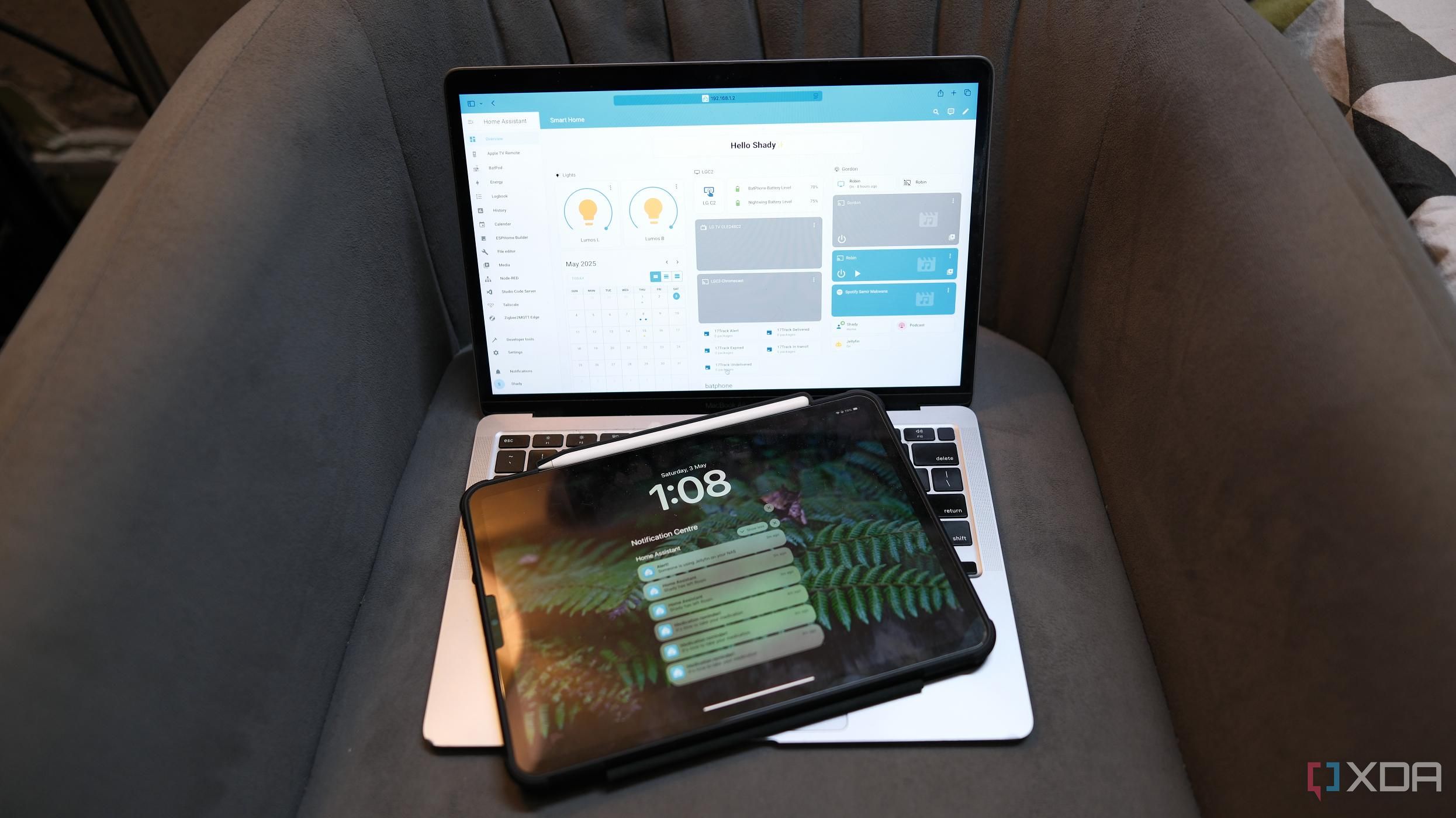
The foundation of this cloud-free smart home is Home Assistant, a local controller that allows for full autonomy. Initially installed on a Raspberry Pi, the setup was later migrated to a Proxmox virtual machine on a mini PC, enhancing stability and performance. This shift enabled timely automations and immediate responses from devices, eliminating reliance on vendor apps or external servers. Home Assistant operates entirely within the user’s network, ensuring that automation logic and integrations do not leave the home environment.
Over time, the system evolved from a hobby project into a dependable infrastructure, providing the user with complete command over their smart home. The selection of devices played a crucial role in this transformation. Many commercially available devices come with built-in cloud dependencies, hindering their use without an internet connection. By utilizing open firmware like ESPHome, the user was able to modify several devices, allowing them to function locally and seamlessly integrate with Home Assistant.
The preferred choice for many devices became Zigbee and Z-Wave, two low-power mesh protocols designed to operate locally. These technologies facilitate direct communication between devices and their controller, minimizing the need for external data transmission. In contrast, Wi-Fi devices often require cloud accounts for setup, leading to complications even if they can be configured for local use later.
Advanced protocols like Matter and Thread hold promise for the smart home ecosystem but currently rely on vendor-specific infrastructures. Until local functionality becomes feasible, the user opted to avoid these technologies.
Enhancing Security and Privacy
By eliminating cloud services, the user’s local network experienced a notable reduction in background traffic, enhancing both performance and privacy. With devices communicating locally, the transmission of telemetry data over the internet was effectively blocked. This local control alleviated latency issues and allowed the user to maintain their usage patterns securely within their home network.
While advanced features such as voice control require additional effort, the user has successfully implemented self-hosted voice assistants that operate using local language models. For secure remote access, they utilize Tailscale, which establishes encrypted tunnels without exposing ports or relying on external servers.
Establishing a local-first smart home system involved a learning curve, as the user had to research compatible devices and understand networking principles. This investment in knowledge ultimately resulted in a reliable system that offers complete ownership and control over personal data. Automations now function consistently, devices respond promptly, and the elimination of cloud dependency has transformed the user’s smart home into a faster, more reliable, and predictable environment.